

8718 WESTPARK DR, HOUSTON, TX 77063 | 713-589-2925
Port delays do not always begin at the terminal. Many start earlier, when a port name, location code, cargo description, or destination differs between shipping documents.
For businesses moving freight between the major seaports of the world and Nigeria, one small mismatch can trigger manual review, document amendments, storage charges, or clearance delays. The fix is practical: use the correct UN/LOCODE international seaport code and keep it consistent across the shipment file.
This guide covers 10 important seaport codes, the five documents that must align, and a simple verification process that helps keep international cargo moving.
What is a UN/LOCODE, and why does it matter?
A UN/LOCODE is a standardized five-character identifier for ports, airports, inland terminals, and other trade locations. The first two letters identify the country, while the final three identify the location. Using the right code helps shipping lines, customs platforms, freight forwarders, and terminals interpret the same destination without relying on vague or conflicting port names.
The standard is maintained through the United Nations Economic Commission for Europe (UNECE). For example, NGAPP identifies Apapa in Nigeria: NG represents Nigeria and APP identifies Apapa.
A code does not eliminate vessel congestion, weather disruption, or equipment shortages. It does, however, reduce avoidable documentation confusion, especially when cargo moves through multiple international seaports before reaching its final destination.
Which 10 international seaport codes should importers know?
These 10 codes cover major Nigerian gateways and important global shipping hubs. Confirm the final code against the current UNECE database, carrier booking, and terminal instructions before documents are issued. Port systems can use related location names, so the written port name and five-character code should always describe the same physical destination.
| No. | International seaport | Country | UN/LOCODE | Common shipping use |
|---|---|---|---|---|
| 1 | Apapa | Nigeria | NGAPP | Lagos Port Complex, containers and general cargo |
| 2 | Tin Can Island | Nigeria | NGTIN | Lagos container and vehicle cargo |
| 3 | Lekki | Nigeria | NGLKK | Lekki Deep Sea Port and newer container services |
| 4 | Houston | United States | USHOU | U.S. Gulf export gateway |
| 5 | Shanghai | China | CNSHA | Major Asian container hub |
| 6 | Rotterdam | Netherlands | NLRTM | European distribution and transshipment |
| 7 | Singapore | Singapore | SGSIN | Global Asia-Europe and Africa transshipment |
| 8 | Busan | South Korea | KRPUS | Korean manufacturing and container gateway |
| 9 | Jebel Ali | United Arab Emirates | AEJEA | Middle East, Gulf, and regional distribution |
| 10 | Hamburg | Germany | DEHAM | Northern European cargo gateway |
For a Houston-to-Nigeria shipment, the origin may appear as USHOU, while the Nigerian port of discharge may be NGAPP, NGTIN, or NGLKK. Do not use “Lagos” as a substitute when the shipment is booked for a specific terminal.
Which documents must carry the same port information?
The Bill of Lading, Form M, PAAR, commercial invoice, and packing list should identify compatible shipment details. The port name, UN/LOCODE, consignee, cargo description, quantities, weights, values, and container information should tell one consistent story across the complete document set.
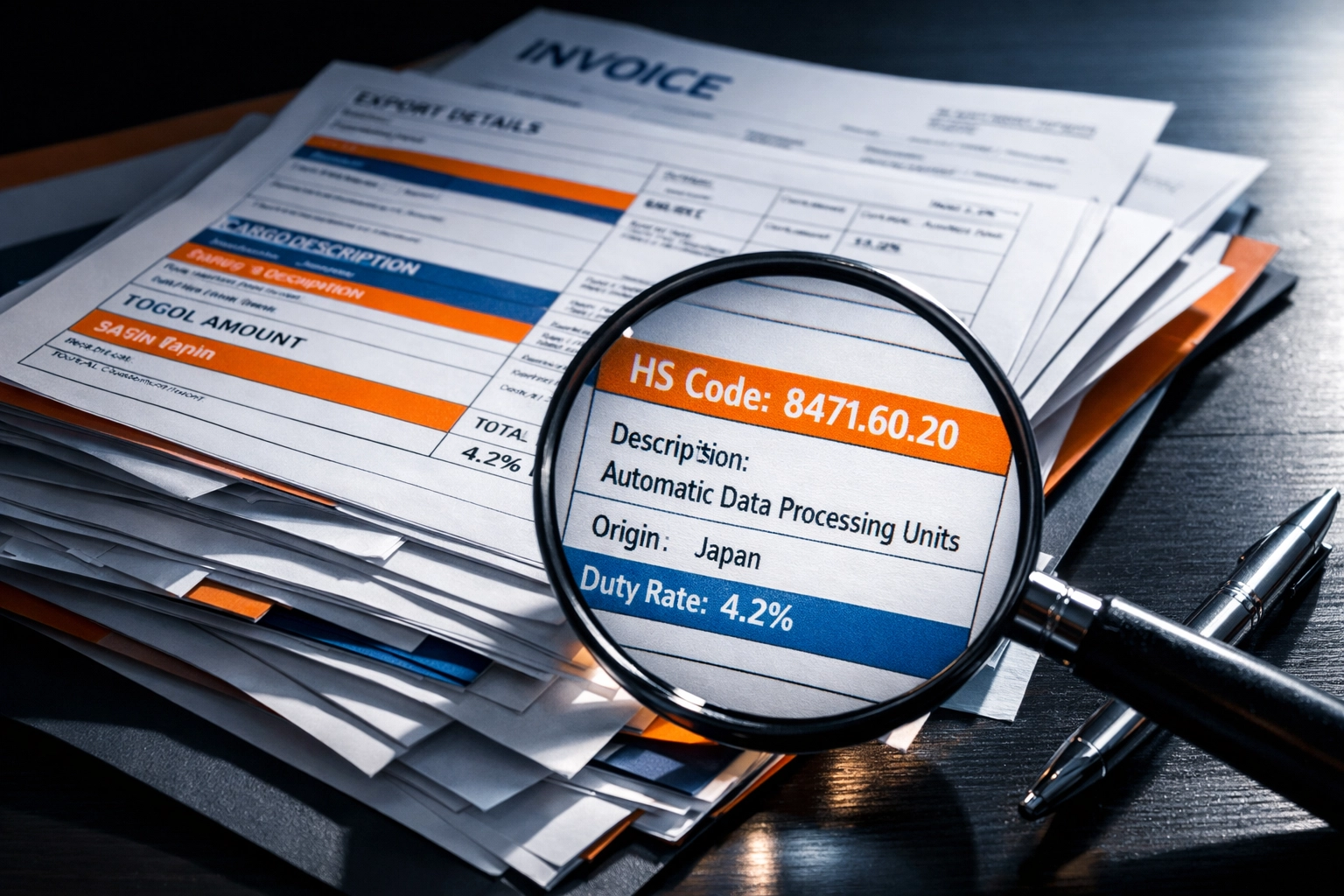
1. Bill of Lading
The Bill of Lading identifies the carrier, shipper, consignee, cargo, routing, and port details. Check both the Port of Loading (POL) and Port of Discharge (POD).
For example:
- Port of Loading: Houston (USHOU)
- Port of Discharge: Apapa (NGAPP)
If the booking says Tin Can Island but the draft Bill of Lading shows Apapa, correct the discrepancy before the final document is issued. A generic “Lagos” description can also create confusion when the container is assigned to a specific Nigerian terminal.
2. Form M
Form M is part of Nigeria’s import documentation process and is generally opened through an Authorized Dealer Bank before shipment. The importer, supplier, product details, declared value, HS classification, and intended port should match the later shipping documents.
If Form M identifies Apapa but the Bill of Lading and manifest identify Lekki, the inconsistency may require clarification or amendment before clearance proceeds.
3. PAAR
The Pre-Arrival Assessment Report, or PAAR, supports Nigeria Customs assessment before cargo clearance. It is prepared from the approved Form M and supporting documents, including the final invoice, packing list, and transport document.
A port mismatch introduced during Form M processing can carry forward into PAAR. Correcting the information before PAAR submission is usually more efficient than requesting amendments after vessel arrival.
4. Commercial invoice
The commercial invoice should state the seller and buyer, itemized cargo description, quantities, unit prices, total value, currency, country of origin, and applicable Incoterms. It should also align with the selected port and transport route.
Avoid vague descriptions such as “equipment” or “parts.” Use clear descriptions that identify the product, material, function, quantity, and model where relevant.
5. Packing list
The packing list allows customs, terminals, carriers, and receiving teams to reconcile the physical cargo. It should match the invoice and Bill of Lading on package count, marks and numbers, gross weight, net weight, dimensions, and cargo description.
A packing list showing 48 cartons while the invoice shows 50 can create a preventable query, even when the port code is correct.
How do port code errors create customs delays?
Port code errors create delays because different systems may interpret the same shipment as having different destinations. A carrier manifest can show Tin Can Island, while Form M shows Apapa and PAAR reflects Lekki. That forces a manual review and may delay cargo release, terminal coordination, or document approval.
Other frequent errors include:
- Using an airport or inland location code instead of a seaport code
- Typing a code incorrectly by one character
- Using a port name that does not match the code
- Copying an old port from a previous shipment
- Selecting a default destination in a bank or logistics platform
- Changing the discharge port without updating every document
- Omitting the port code from shipping instructions
The safest process is to confirm the discharge port at booking, write down the code, and use it as a controlled reference throughout the shipment.
What is the fastest way to check your shipping documents?
The fastest method is a five-point pre-submission check: compare the same shipment field across the Bill of Lading, Form M, PAAR, commercial invoice, and packing list before submission. A short document-control review can prevent amendments, storage costs, and avoidable terminal delays.
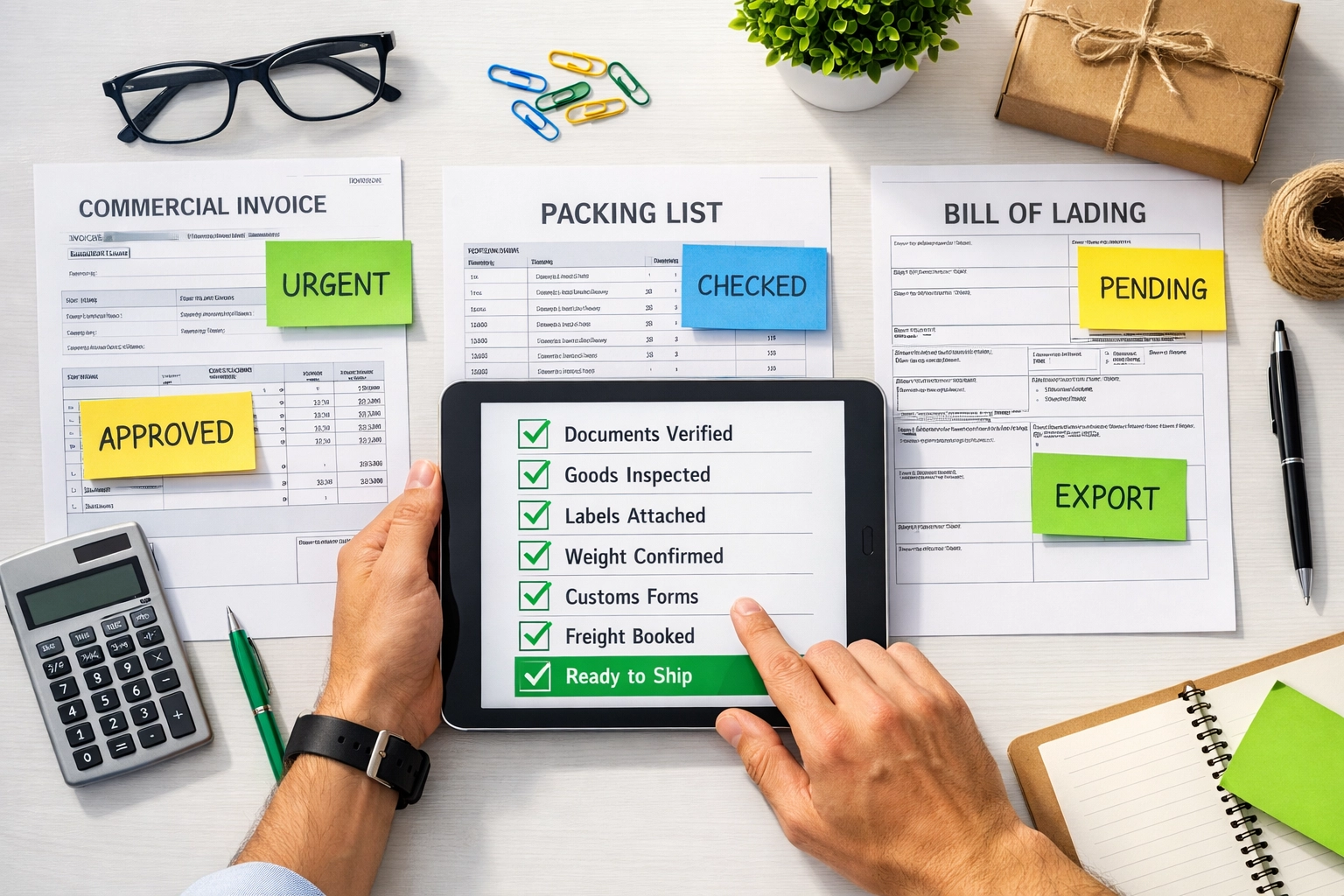
Use this checklist:
-
Confirm the actual discharge port.
Is the shipment going to Apapa, Tin Can Island, or Lekki? -
Verify the code.
Use NGAPP, NGTIN, or NGLKK as appropriate. Check the current UNECE UN/LOCODE database. -
Match the port name and code.
“Apapa” should not appear beside NGTIN. “Lekki” should not appear beside NGAPP. -
Reconcile core cargo data.
Compare quantity, gross weight, net weight, package count, product description, HS code, and declared value. -
Review before release.
Ask the carrier, bank, customs broker, and freight forwarder to correct discrepancies before the document becomes final.
Nigeria’s Nigerian Ports Authority import and export guidelines and Nigeria Trade Information Portal provide additional regulatory information. Requirements can change, so importers should confirm current procedures with their Authorized Dealer Bank and customs representative.
How does PSI Global Logistics help prevent documentation delays?
PSI Global Logistics builds documentation control into the shipment workflow. Our team coordinates the booking, verifies port details, reviews commercial documents, and keeps the data aligned from origin through customs clearance and final delivery.
That streamlined process supports shipments moving through an international seaport in Houston, Apapa, Tin Can Island, Lekki, or another global gateway. We also provide:
- Efficient air, ocean, express, and 3PL logistics workflows
- Streamlined documentation and shipment coordination
- Instant live tracking for real-time cargo updates
- Door-to-door pickup and delivery support
- Complimentary Houston air cargo pickup for qualifying shipments
- Secure handling for business freight and heavy machinery
- Procurement and inventory management services
- Responsive customer support when shipment details change
For more guidance, read our related article on avoiding customs delays through accurate shipping documents or learn about door-to-door delivery across Nigeria.

What should businesses do before cargo leaves the origin port?
Businesses should confirm the destination port, UN/LOCODE, document fields, regulatory requirements, and delivery plan before cargo is loaded. Early verification is especially important for heavy machinery, regulated products, time-sensitive inventory, and cargo requiring Form M and PAAR processing.
Use this final pre-departure sequence:
- Confirm the carrier booking and port code.
- Match the Bill of Lading draft to the booking.
- Confirm Form M details with the Authorized Dealer Bank.
- Reconcile the invoice and packing list.
- Prepare PAAR documentation before vessel arrival.
- Check whether SONCAP, NAFDAC, insurance, CCVO, or other supporting documents apply.
- Share the complete document set with your logistics provider.
- Track the shipment and respond quickly to any carrier or customs query.
The world’s major seaports process enormous volumes of cargo every day. Your shipment does not need to become difficult because two documents use different port information. Consistent UN/LOCODEs, accurate cargo data, and a controlled documentation workflow create a cleaner path from Houston to Nigeria and beyond.
Frequently Asked Questions About International Seaport Codes
UN/LOCODE questions usually involve code format, document matching, Nigerian port selection, and customs preparation. The answers below provide a practical starting point, but shipment-specific requirements should be confirmed with the carrier, customs representative, bank, and logistics provider handling the cargo.
What does UN/LOCODE mean?
UN/LOCODE means United Nations Code for Trade and Transport Locations. It provides standardized identifiers for ports, airports, inland terminals, and other trade locations. Each code normally contains two country letters and three location characters, such as USHOU for Houston and NGAPP for Apapa.
Is “Lagos” the same as Apapa, Tin Can Island, and Lekki?
No. Lagos is a broad geographic reference, while Apapa, Tin Can Island, and Lekki are distinct port locations. Use the exact port selected by the carrier and ensure the written name matches the correct code: NGAPP, NGTIN, or NGLKK.
Which port code is used for Houston?
The UN/LOCODE for Houston is USHOU. Confirm the specific terminal and carrier instructions because a port complex can include multiple facilities, and shipping systems may require additional terminal or facility information beyond the five-character location code.
Does a port code guarantee faster customs clearance?
No. A correct code does not guarantee release or remove physical congestion. It helps reduce documentation ambiguity and manual queries when it matches the port name and routing details across the Bill of Lading, Form M, PAAR, invoice, and packing list.
What documents should match the port code?
At minimum, the Bill of Lading, Form M, PAAR, commercial invoice, and packing list should carry consistent port information. Other documents (such as insurance certificates, CCVO, SONCAP documentation, or regulatory permits) may also need compatible shipment and destination details.
Can PSI Global Logistics review my shipping documents?
Yes. PSI Global Logistics supports international freight forwarding, document coordination, customs-related preparation, tracking, and door-to-door delivery. Businesses can discuss their shipment requirements by calling 713-589-2925.








Leave A Comment