
8718 WESTPARK DR, HOUSTON, TX 77063 | 713-589-2925
For Houston-to-Nigeria shippers, the fastest international seaport is not always the port with the shortest advertised sailing time. In 2026, congestion, vessel availability, customs processing, inland transport and documentation accuracy all influence the final delivery date.
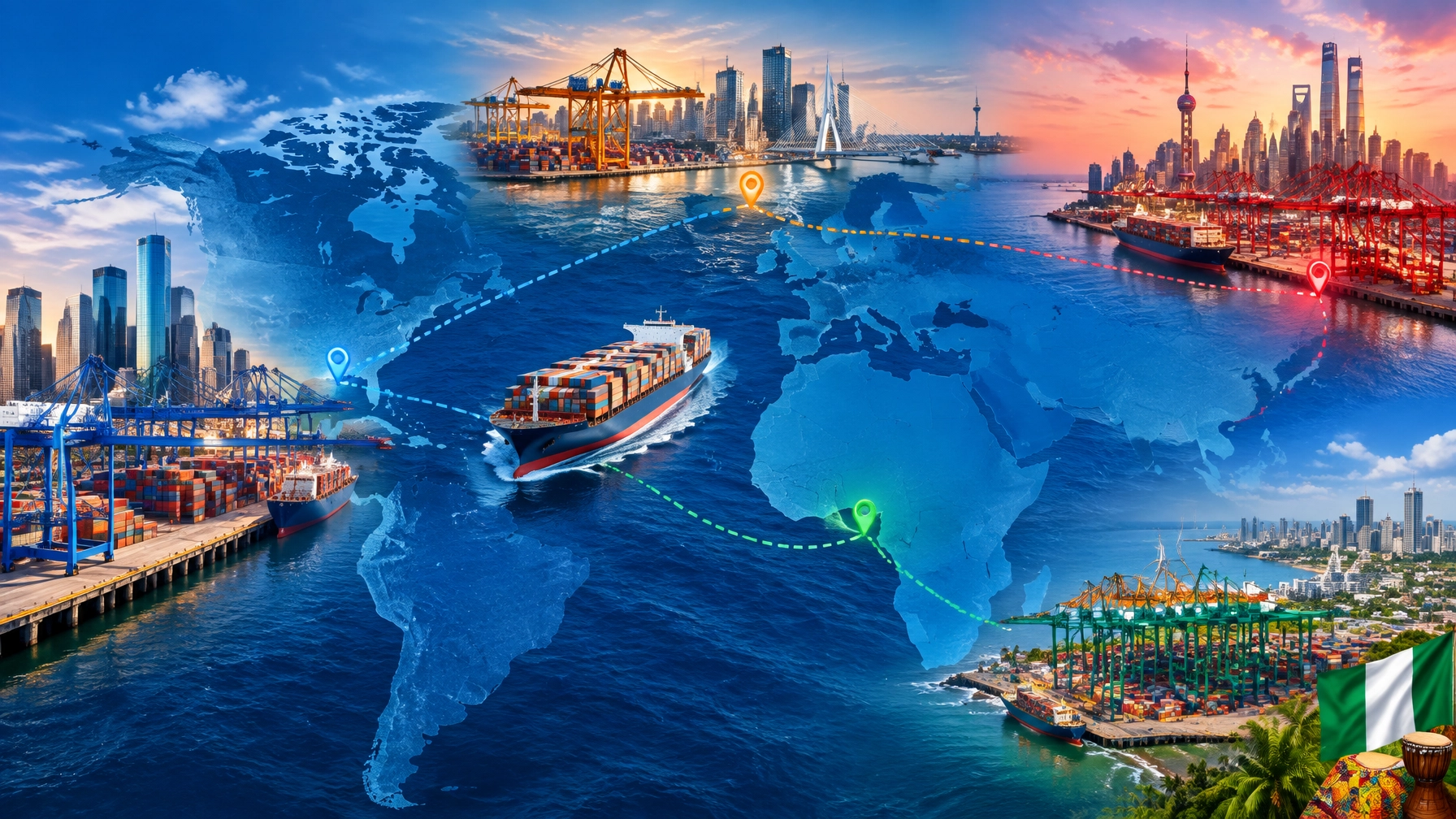
Rotterdam, Shanghai and Lagos each offer a different advantage. Shanghai provides unmatched global connectivity. Rotterdam delivers mature infrastructure and schedule options. Lagos, particularly Lekki, brings cargo closer to its Nigerian destination and offers modern deep-sea capacity.
The best choice depends on the entire route, not just the ocean leg.
Which international seaport is fastest for Houston-to-Nigeria cargo in 2026?
For most Houston-to-Nigeria business shipments, Lekki is the strongest destination gateway while Rotterdam offers the most predictable global-hub performance. Shanghai remains highly connected but carries the greatest congestion risk in late 2026. The fastest door-to-door result comes from matching the port, vessel schedule, documentation and inland delivery plan to the cargo.
| Gateway | 2026 advantage | Main speed risk | Best fit |
|---|---|---|---|
| Houston | Strong U.S. origin gateway and cargo-pickup network | Trucking, cut-off times and export documentation | Cargo originating in Texas and surrounding regions |
| Shanghai | Enormous vessel frequency and global connectivity | Severe queues and schedule disruption | Flexible cargo with many routing options |
| Rotterdam | Europe’s largest port, mature infrastructure and strong hinterland connections | Delays carried over from Asia–Europe services | Cargo requiring routing flexibility and predictable onward movement |
| Lagos area | Direct access to the Nigerian market; Lekki offers approximately 16.5m draft | Apapa congestion, customs and inland Lagos traffic | Nigeria-bound cargo, especially when destination proximity matters |
What does “faster” actually mean in international shipping?
Cargo speed has four parts: sailing time, port dwell time, customs clearance and inland delivery. A vessel may reach port quickly but lose days waiting offshore, clearing documents or moving through congested roads. Door-to-door speed measures the complete journey from pickup in Houston to delivery at the Nigerian business address.
A practical speed calculation includes:
- Origin pickup: How quickly the cargo reaches the terminal before the vessel cut-off.
- Sailing time: The scheduled ocean transit between the origin, transshipment points and destination.
- Port dwell: How long the container waits for discharge, inspection, release or pickup.
- Customs clearance: Whether the Form M, PAAR, bill of lading, invoice and packing list are accurate and aligned.
- Inland delivery: The final movement from the Nigerian port to Lagos, Abuja, Port Harcourt or another destination.
This is why the “fastest” port on a shipping schedule can still produce the slowest business outcome.

How does Rotterdam perform against Shanghai and Lagos?
Rotterdam is the most dependable choice when schedule predictability, multimodal connections and routing flexibility matter. It is Europe’s largest port and benefits from mature terminal, road, barge and rail systems. However, cargo routed through Rotterdam for Nigeria may require additional movement, making the full door-to-door result dependent on the onward plan.
Rotterdam’s key strength is resilience. Shippers can often access multiple carrier services, inland transport options and European distribution networks. That flexibility helps when one sailing is delayed or a carrier changes its rotation.
The port is not immune to disruption. Asia–Europe congestion can still affect vessel arrivals, equipment availability and transshipment schedules. Yet the bottleneck is generally less concentrated than the severe queueing reported in parts of East Asia.
Rotterdam is especially useful when:
- The shipment requires European consolidation or distribution.
- The cargo owner needs several alternative carrier schedules.
- Inland rail, barge or warehouse connections are part of the supply chain.
- The shipper values schedule reliability over the shortest possible ocean distance.
For a direct Houston-to-Nigeria shipment, Rotterdam is not automatically the best destination. Its advantage is operational flexibility.
Why does Shanghai remain powerful but risky in 2026?
Shanghai remains the world’s busiest container port, handling approximately 28.7 million TEU in the first half of 2026, while Ningbo-Zhoushan continues to close the gap. Its scale creates abundant service options, but current congestion means high throughput does not always translate into faster cargo movement.
Shanghai remains one of the most important major seaports of the world. It offers extensive carrier coverage, access to manufacturing supply chains and frequent connections to major trade lanes.
The challenge is queueing. A 28 September 2026 report from Lloyd’s List places port delays at roughly 3 million TEU of containership capacity, with schedule reliability at 49.9% and approximately 8.5% of the global fleet absorbed by congestion.
For shippers, the impact can include:
- Vessel arrival bunching.
- Missed transshipment connections.
- Longer terminal dwell.
- Rolled bookings and equipment shortages.
- Less certainty around estimated arrival dates.
Shanghai can still win when cargo originates in East Asia or when its many service options provide a better sailing than alternatives. For Houston-to-Nigeria cargo, however, its scale is less valuable if congestion adds several days before the container even begins the next leg.
Can Lagos move Nigerian-bound cargo faster than the global hubs?
Yes, particularly through Lekki, when the cargo is destined for Nigeria and the full inland route is well managed. Lekki’s approximately 16.5m draft supports larger vessels and its modern equipment can improve vessel handling. Apapa and Tin Can remain important but are more exposed to congestion and urban access challenges.
The Lagos gateway is not one single operating environment. It includes:
- Apapa: A major established gateway with extensive market familiarity, but congestion around the port and connecting roads can affect delivery.
- Tin Can Island: An important container and vehicle gateway that remains relevant for specific services and cargo types.
- Lekki Deep Sea Port: A newer facility designed for large vessels, modern terminal operations and regional trade growth.
According to Lekki Deep Sea Port’s official information, the facility operates five super-post-Panamax ship-to-shore cranes, 15 rubber-tyred gantry cranes and marine equipment designed to support vessels of 300 metres and above. The port also reports a weekly MSC feeder service added in August 2026, expanding connectivity.
Lekki’s advantage is destination proximity. Cargo does not need to move through a distant European hub before reaching the Nigerian market. However, port efficiency alone does not eliminate customs holds, document errors, truck availability or Lagos-area traffic.
For importers, Lekki is often the strongest choice when the carrier schedule is suitable and the forwarder has already planned the customs and final-delivery stages.
Where does Houston fit in the fastest routing decision?
Houston is the critical origin gateway for Texas-based shippers because speed starts before the container reaches the vessel. Reliable pickup, correct export documents, warehouse coordination and on-time terminal delivery protect the sailing schedule and prevent avoidable delays at the beginning of the route.
A missed origin cut-off can erase the advantage of a fast destination port. Houston shippers should confirm:
- Cargo readiness and exact dimensions.
- Pickup timing and loading requirements.
- Container availability.
- Export documentation and commercial invoice details.
- Vessel cut-off and terminal receiving windows.
- Final Nigerian port and inland delivery requirements.
PSI Global Logistics provides reliable door-to-door pickup and coordination for international freight. For qualifying air shipments weighing 13 lbs or more, PSI also offers complimentary Houston air cargo pickup, helping businesses move urgent cargo from their facility into the export process without arranging a separate local carrier.

How does documentation affect port speed in Nigeria?
Accurate documentation can save more time than changing ports. Form M, PAAR, the bill of lading, commercial invoice and packing list must present consistent cargo descriptions, quantities, weights, values and consignee information. A mismatch can create customs questions, inspections, storage charges and delayed release.
For Nigeria-bound business cargo, PSI streamlines the documentation workflow before submission. The team checks key details across the shipment file so the documents support one clear description of the cargo.
This is particularly important for:
- Heavy machinery.
- Construction equipment.
- Telecommunications hardware.
- Automotive parts.
- Industrial components.
- Commercial inventory and procurement shipments.
PSI’s guide on shipping documents and customs delays explains why inconsistent data can stop cargo even after the vessel arrives.
What does PSI recommend for Houston-to-Nigeria shippers?
PSI recommends choosing the gateway by total delivery performance, not by port reputation alone. The team evaluates cargo type, urgency, carrier schedule, destination, customs requirements and inland delivery before selecting the routing that offers the best balance of speed, cost and control.
PSI’s 2026 starting ocean freight rates are:
- 20ft container: $6,500
- 40ft container: $6,900
Rates depend on cargo details, origin, destination, season, carrier availability and included services. PSI manages the operational workflow around the rate: pickup, documentation, ocean freight coordination, customs support, delivery planning and shipment visibility.
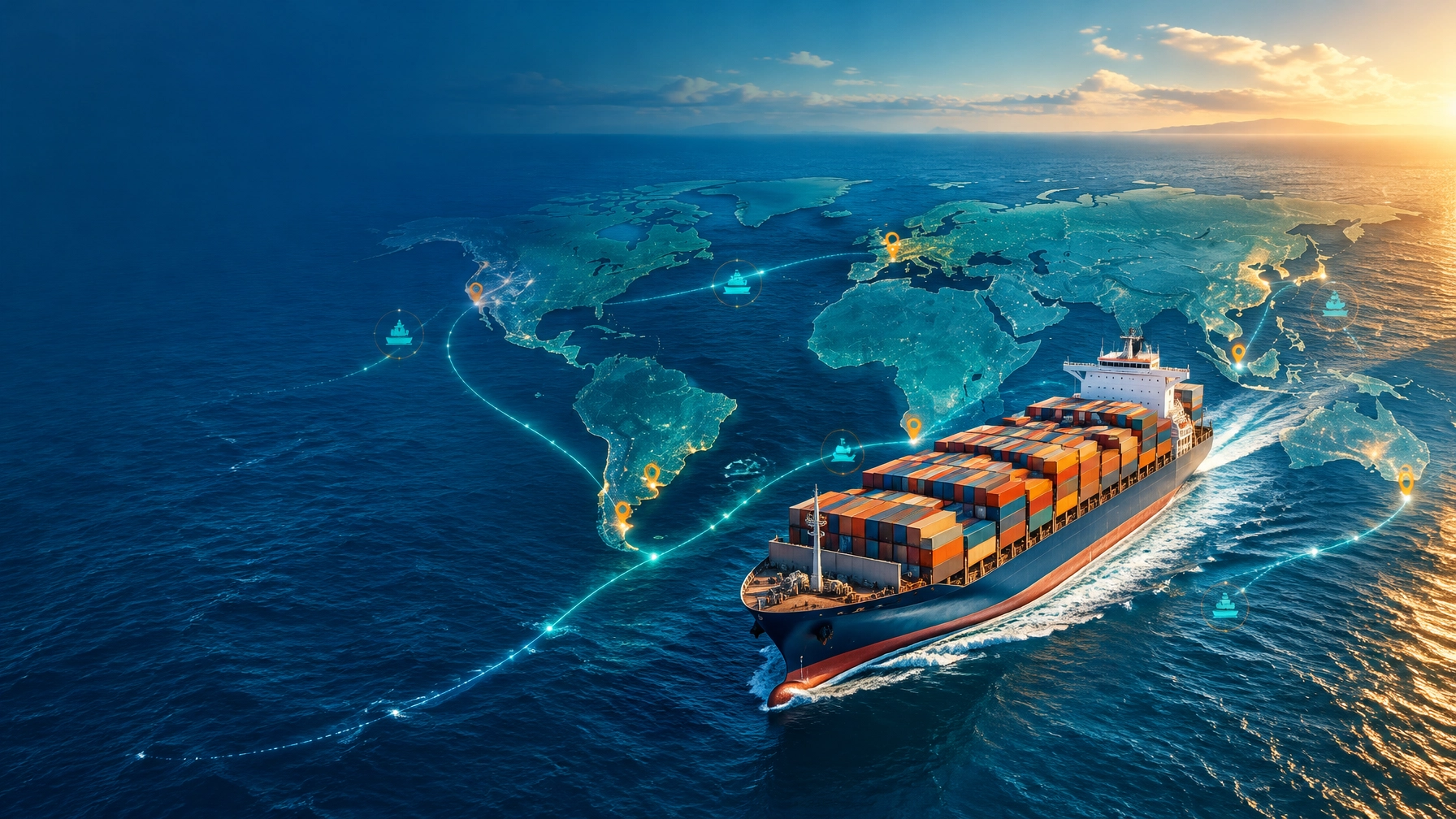
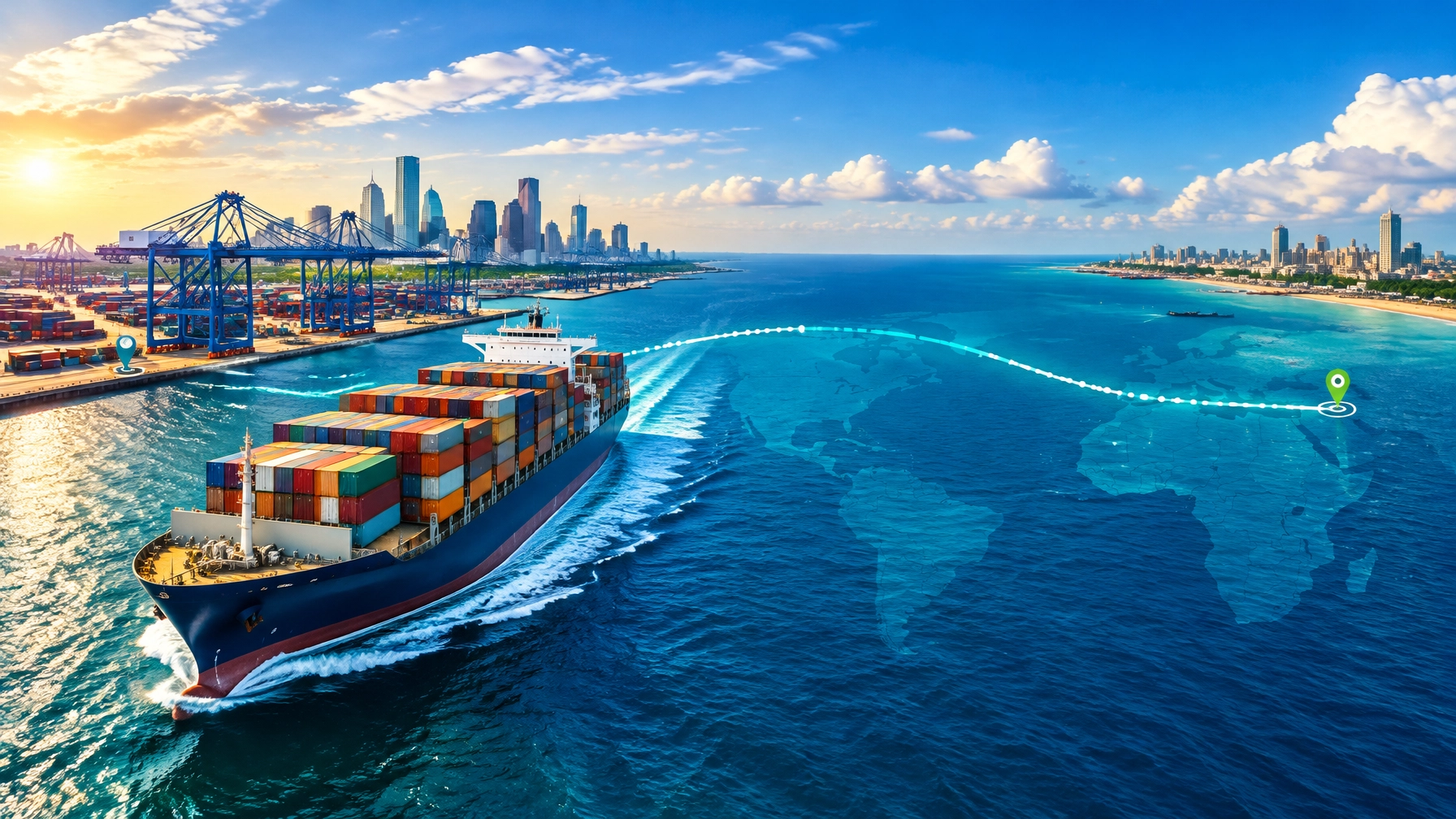
Clients also receive instant live tracking, helping them monitor vessel movement, port milestones and delivery progress through one connected view. Learn more about PSI’s real-time cargo tracking.
The practical conclusion is clear:
- Choose Rotterdam when predictability and global routing flexibility lead.
- Choose Shanghai when East Asian origin and service frequency outweigh congestion risk.
- Choose Lekki or another Lagos gateway when Nigerian destination proximity and port suitability offer the strongest door-to-door result.
- Choose PSI when you need one logistics partner to manage the complexity from Houston pickup to Nigerian delivery.
FAQ: Rotterdam, Shanghai and Lagos seaports
Which port is fastest for cargo from Houston to Nigeria?
Lekki can provide the strongest destination advantage for Nigeria-bound cargo, while Rotterdam may offer greater schedule flexibility. The fastest option depends on vessel availability, congestion, documentation, customs clearance and inland delivery.
Is Shanghai still the world’s busiest container port in 2026?
Yes. Shanghai remains the world’s busiest container port, handling approximately 28.7 million TEU in the first half of 2026. However, congestion and vessel queues are affecting schedule reliability.
Why is Rotterdam important for international shipping?
Rotterdam is Europe’s largest port and provides extensive container, warehouse, rail, barge, road and distribution connections. Its mature infrastructure gives shippers more routing and inland-delivery options.
What is Lekki Port’s draft?
Lekki Port has an approximate draft of 16.5 metres, allowing it to accommodate larger vessels than some legacy Lagos-area gateways. Actual service availability depends on carrier schedules and operating conditions.
What documents are important for Nigerian cargo clearance?
Commonly required documents include Form M, PAAR, the bill of lading, commercial invoice and packing list. Cargo descriptions, quantities, weights and values should match across the shipment file.
Does PSI offer pickup in Houston?
Yes. PSI offers reliable door-to-door pickup services and complimentary Houston air cargo pickup for qualifying air shipments weighing 13 lbs or more.
What are PSI’s 2026 starting ocean freight rates?
PSI’s 2026 starting rates are $6,500 for a 20ft container and $6,900 for a 40ft container. Final pricing depends on cargo specifications, routing, destination and service requirements.



Leave A Comment