
8718 WESTPARK DR, HOUSTON, TX 77063 | 1-713-589-2925 | INFO@PSISHIPPING.COM
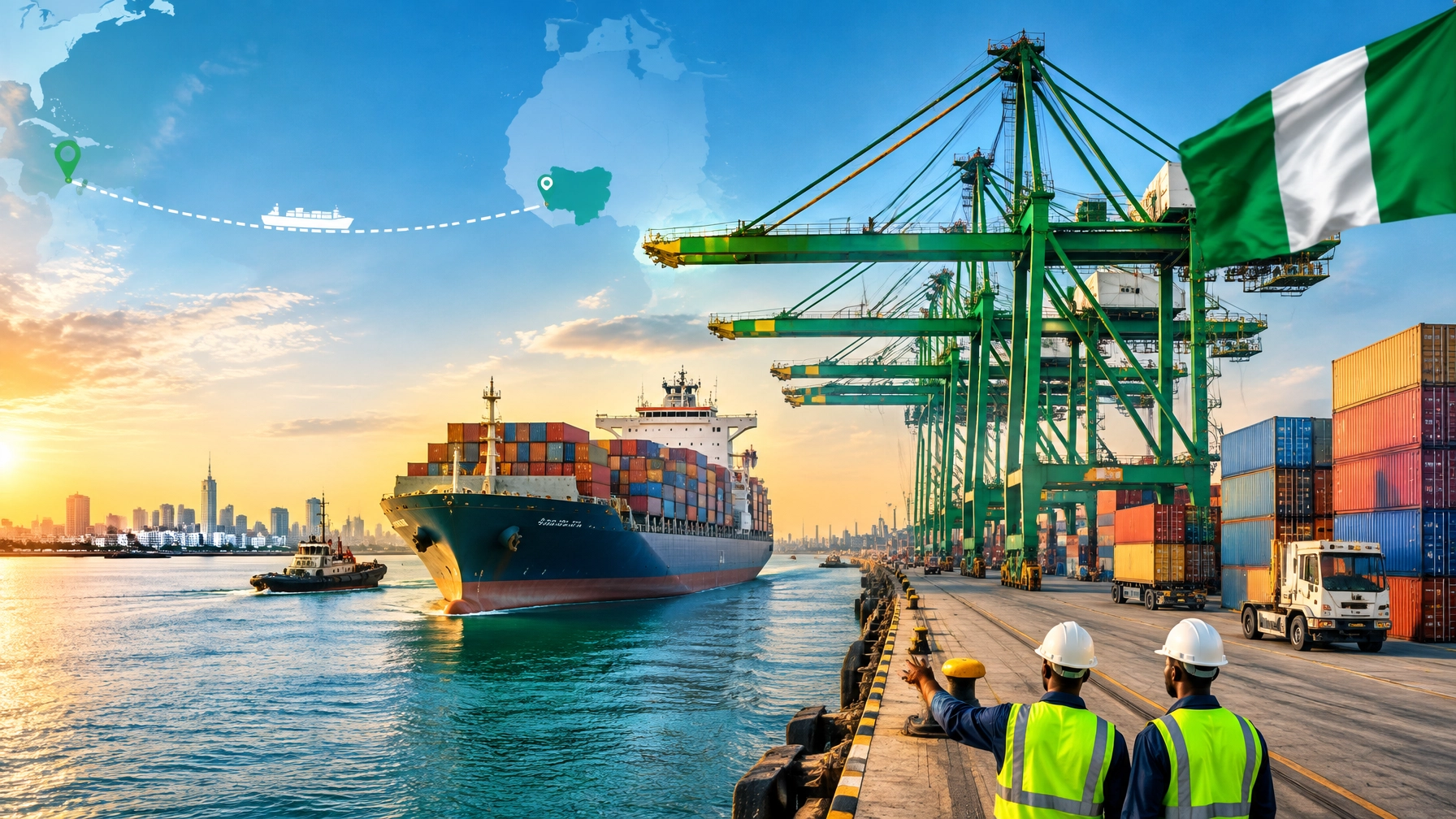
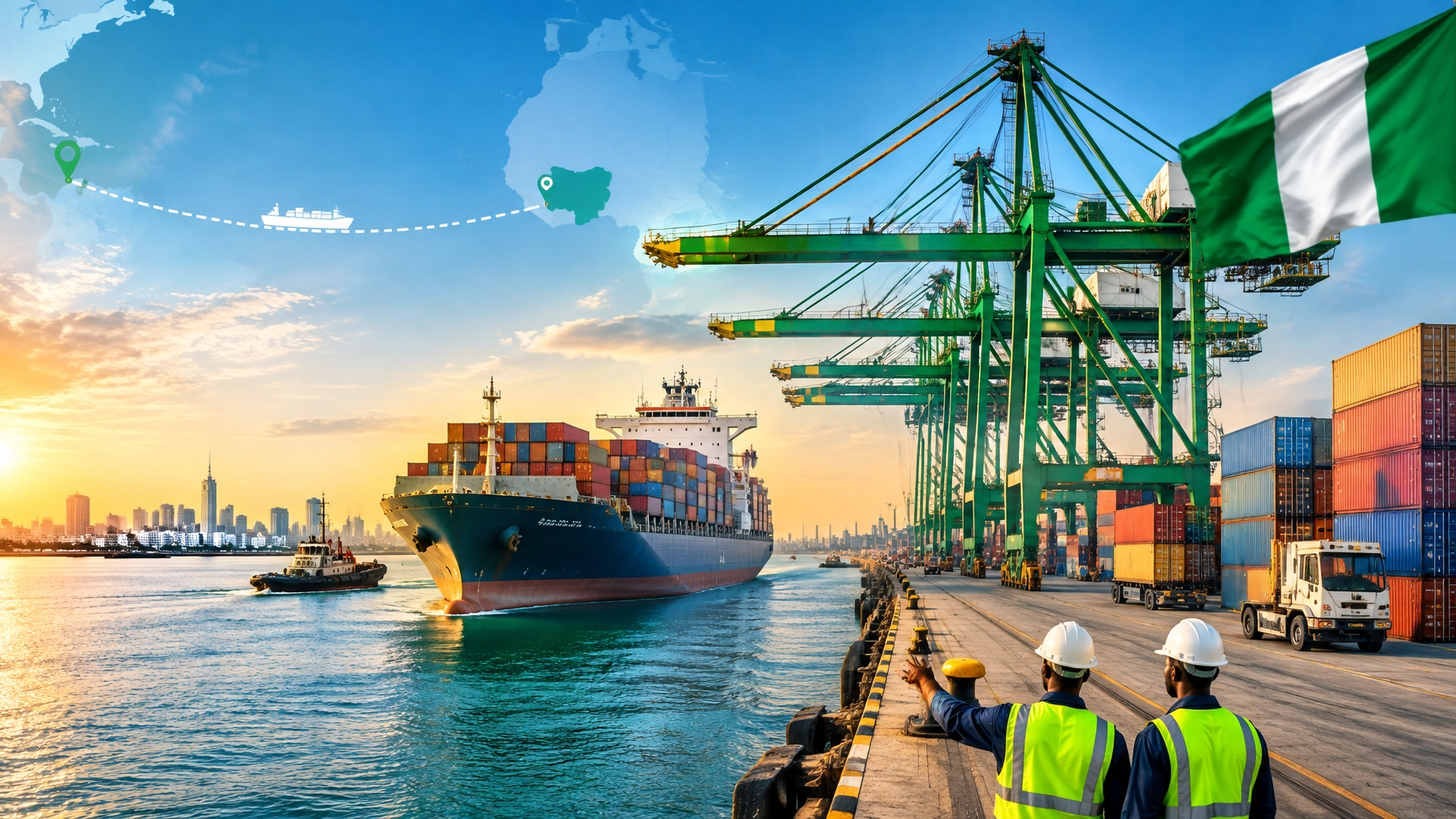
In the blink of any eye, a massive container ship docks in Singapore, while another begins its journey from the coast of California. It is a dance so complex and fast-paced that it’s easy to feel a bit overwhelmed just thinking about it. Here we are, navigating a world where products move across oceans faster than ever before, and yet, for many business owners, the actual mechanics of how a package gets from Point A to Point B remain a bit of a mystery.
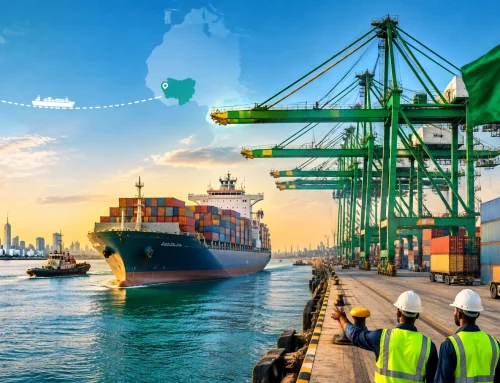
Please accept apologies in advance if I get a little too excited about the logistics of maritime trade, at least in my opinion, it is one of the most fascinating "hidden" systems in the world. When you look at a map of the major seaports of the world, you aren't just looking at dots on a coastline; you are looking at the beating heart of global commerce.
But how do thousands of ships, carrying millions of containers, never get lost? How does a dockworker in Shanghai know exactly where a crate destined for Houston needs to go? The answer lies in a secret language: seaport codes.
The Secret Language of Logistics: What are Port Codes?
So, without further adieu, let’s crack the code. In the shipping industry, we don't just say "Shanghai" or "Rotterdam." Names can be duplicated, translated, or misspelled. Instead, we use the UN/LOCODE system.
Established in 1981 by the United Nations, this system provides a unique five-character identifier for over 100,000 locations worldwide. It’s the DNA of international shipping. If you’ve ever gone hunting for an international sea port codes pdf, you know just how dense this information can be.
Each code is broken down into two parts:
- The Country Code: The first two letters (like US for the United States or CN for China).
- The Location Identifier: The final three letters that specify the exact port.

Visual: A close-up of a shipping label showing a port code next to a massive stack of colorful shipping containers.
Why is this important? Because in the world of global logistics, precision is everything. A single digit error can result in a container sitting in the wrong hemisphere, racking up storage fees and causing major headaches for your supply chain. At PSI Global Logistics, we treat these codes like gold. Understanding them is how we ensure your cargo moves through the maze without hitting a dead end.
The Heavy Hitters: A Tour of the World's Busiest Seaports
To truly understand the scale of international seaports, you have to look at the numbers. We measure port activity in TEUs (Twenty-foot Equivalent Units). It’s a fancy way of counting how many standard containers move through the docks.
It will certainly be an interesting development to watch as these ports continue to expand. Currently, Asia dominates the leaderboard, but the landscape is always shifting. Here are a few of the giants:
1. CNSHA – Shanghai, China
Shanghai isn't just a port; it's a behemoth. Handling over 33 million TEUs annually, it has held the title of the world's busiest container port for years. If your goods are coming from East Asia, there is a very high chance they are passing through CNSHA.
2. SGSIN – Singapore
Singapore is the ultimate "hub." Because of its strategic location, it serves as a massive transshipment point. Ships from Europe, Africa, and the Americas all converge here. It’s a masterclass in efficiency.
3. AEJEA – Jebel Ali, Dubai
Representing the Middle East, Jebel Ali is a marvel of modern engineering. It’s the largest man-made harbor in the world and acts as the primary gateway for goods heading into the Gulf region.
4. USLAX & USLGB – Los Angeles and Long Beach
For those of us in the States, these two are the big ones. Together, they handle a massive portion of all US imports. When these ports experience a slowdown, the entire country feels the "ripple effect" at the grocery store and retail shops.

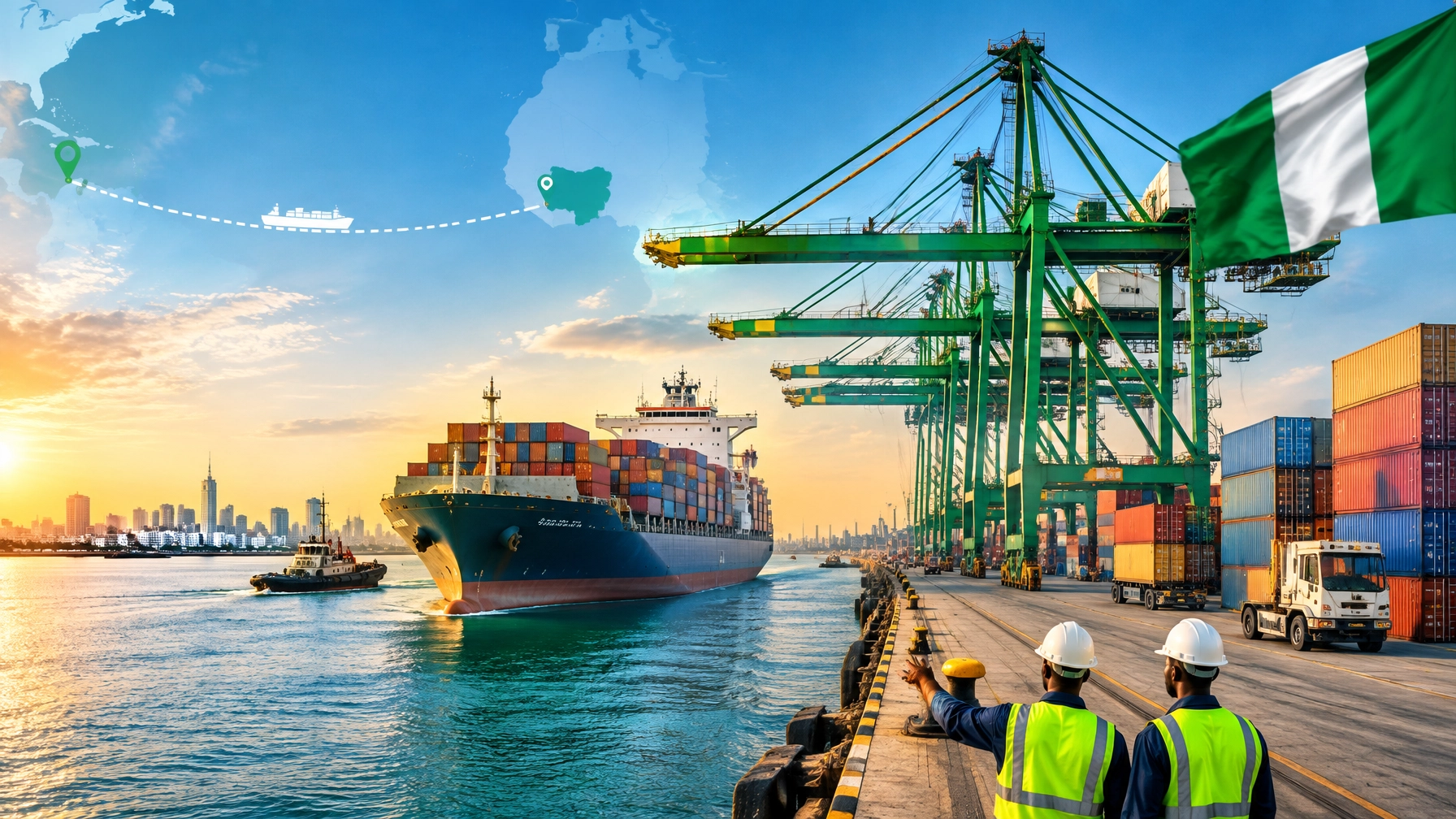
Visual: A breathtaking aerial shot of the Port of Singapore at sunset, with hundreds of ships anchored in the distance.
Why Understanding Codes is Crucial for Smooth Logistics
You might be wondering, "Do I really need to know this?" Well, to be sure, you don't need to memorize the manual. That’s what we’re here for. However, having a basic grasp of how your cargo is routed can help you make better business decisions.
When you ship with PSI Global Logistics, we use this knowledge to streamline your transit times. By knowing which ports are currently congested (looking at you, USLAX during peak season) and which alternative "secret" ports might offer a faster route, we save you time and money.
What’s more, accurate coding is the backbone of required export documentation. If the port code on your Bill of Lading doesn't match the manifest, customs authorities might flag your shipment for an inspection. Nobody wants that.
Navigating the Maze with PSI Global Logistics
It goes without saying that shipping internationally can feel like a maze. Between customs regulations, varying transit times, and the sheer physical distance, there’s a lot that can go wrong.
That is where our expertise comes into play. At PSI Global Logistics, we don't just move boxes; we manage the entire lifecycle of your shipment. We understand the nuances of different international seaports and how to navigate the specific requirements of each.

Visual: A professional logistics coordinator at PSI Global Logistics reviewing complex shipping manifests on multiple monitors.
The Houston Advantage
While we operate globally, our heart is in Texas. For our local clients, we offer a complimentary Houston air cargo pickup. If you are located near our headquarters at 8718 WESTPARK DR, HOUSTON, TX 77063, we make the first leg of your shipment’s journey as easy as possible.
Additionally, we pride ourselves on our reliable documentation services. We know exactly which forms are needed for which ports. Whether you are shipping to a major hub or a remote coastal town, we ensure your paperwork is flawless to avoid those pesky hidden charges.
Frequently Asked Questions About Port Shipping
How do I know which port my items will arrive at?
Your destination port is usually determined by your final receiving address. However, for large shipments, we can often choose between several ports to find the best balance of cost and speed. You can always check our FAQ for more details.
Can I ship to any country?
Almost! We ship to a vast array of nations. You can see a more comprehensive list here, but keep in mind that some items are prohibited from shipping due to international safety standards.
Do you offer storage if my cargo arrives before I'm ready?
Yes, we do! We offer storage services at our various warehouse locations to give you the flexibility you need.

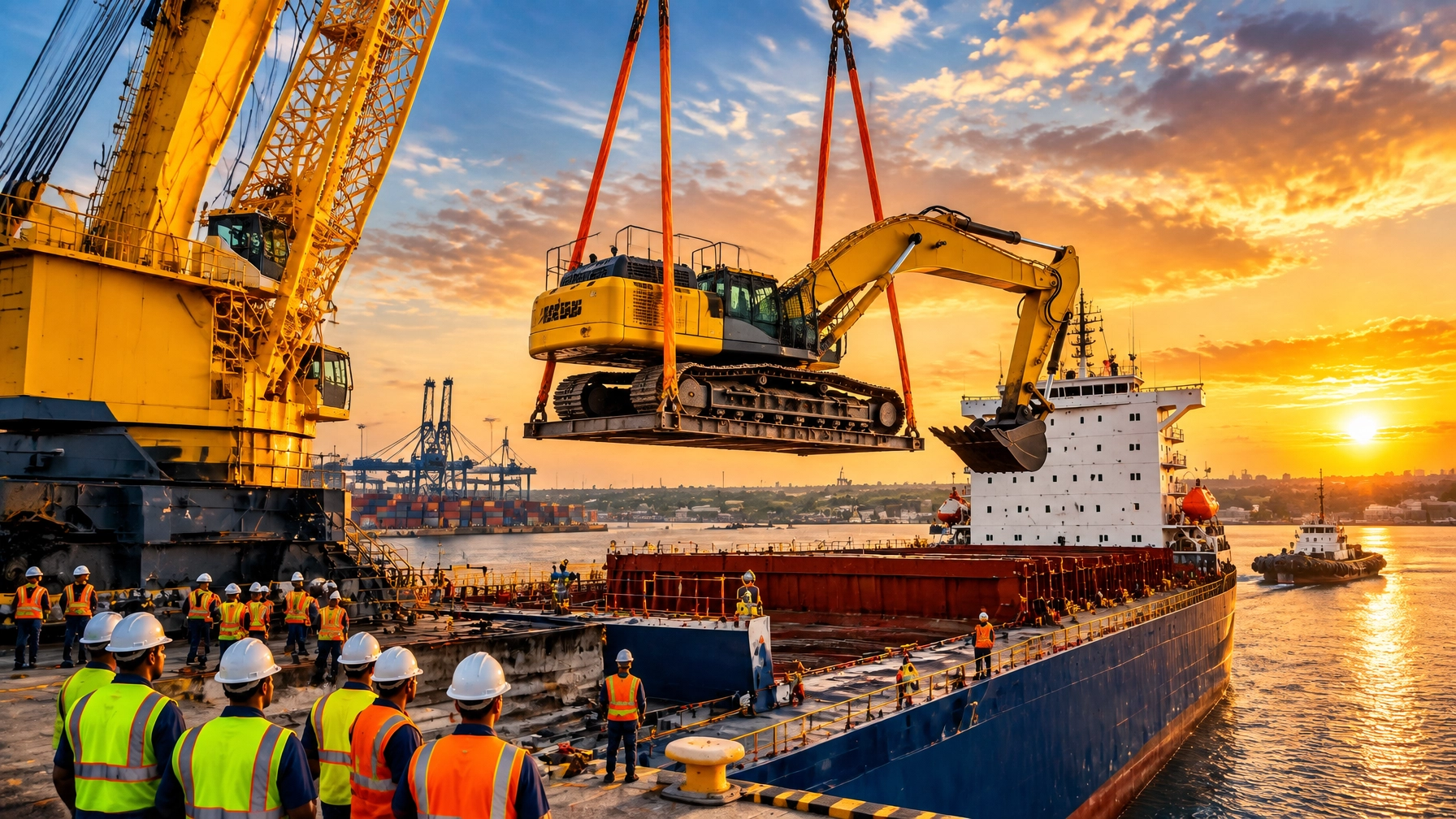
Visual: A massive gantry crane lifting a shipping container with precision at a bustling seaport.
Final Thoughts: Looking Toward the Horizon
As we look at the current state of the world, it's clear that the shipping industry is evolving. Digitalization is making these "secret codes" more integrated into automated systems, and green initiatives are beginning to change how ports operate. How will it be funded? Stay tuned, as the transition to "Green Ports" is a major topic in the industry right now.
It's been another fast and busy year in the logistics world, and we expect things to only pick up speed. Whether you’re a seasoned importer or just starting your first international trade venture, remember that you don't have to navigate the maze alone.
At PSI Global Logistics, we combine technical expertise with a human touch. From our exceptional customer support to our deep knowledge of the major seaports of the world, we are here to ensure your cargo reaches its destination safely and efficiently.
Please accept my apologies if this guide didn't cover every single port in the world: with over 100,000 codes, we’d be here until next year! But either way, I hope this gives you a clearer picture of the incredible system that keeps our world moving.
Ready to start your next shipment? Sign up here or reach out for a shipping estimate today. Let’s get your goods on the move!

Leave A Comment