
8718 WESTPARK DR, HOUSTON, TX 77063 | 713-589-2925
In the blink of an eye, here we are in the middle of 2026, and if you’ve been shipping to Nigeria lately, you know that some things never change, while others have shifted completely. It’s been another fast and busy year for those of us in the logistics world, and honestly, if I seem a bit breathless, please accept apologies in advance; the pace of global trade waits for no one!
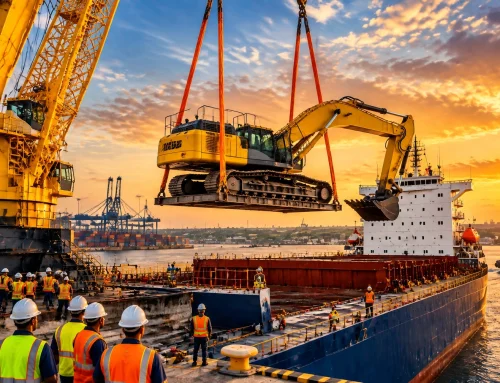
At PSI Global Logistics, we’ve seen the landscape of the international seaport evolve significantly over the last few years. But let’s be real: Apapa still has its… charms? Or more accurately, its challenges. If you’ve ever had a container sit at the port so long it started to feel like a permanent fixture of the Lagos skyline, this guide is for you. We’re diving deep into how you can navigate the "long-running paralysis" of the Apapa and Tin Can corridors and get your cargo moving.
What is causing the 2026 Apapa port delays?
Apapa port delays in 2026 are primarily driven by chronic road congestion, vessel-related bottlenecks exceeding 20 days, and the "long-running paralysis" of the Lagos logistics corridors. While infrastructure is improving, the sheer volume of trade combined with manual documentation checks and indiscriminate truck parking still creates significant cargo dwell times and high trucking costs.
It goes without saying that the gridlock around Apapa is enough to make any importer’s hair turn gray, at least in my opinion. Why? Because the corridors are still plagued by a lack of coordinated truck management and aging road infrastructure that just can't keep up with the demands of a modern international seaport. But either way, we have to move forward, right?
How can I speed up my Nigeria customs clearance?
To speed up Nigeria customs clearance, you must prioritize pre-clearance by submitting Form M, PAAR, and invoices before the vessel arrives. Engaging a reputable, customs-licensed agent is critical to navigating 2026 regulations, and utilizing digital tracking systems ensures you can respond to customs queries or inspection notices in real-time, significantly reducing dwell time.

The Power of Pre-Planning (and a Little Patience)
So, without further adieu, let’s talk about the magic of pre-planning. One of the biggest mistakes we see is importers waiting until the ship is docking at the international seaport to start their paperwork. That’s a recipe for disaster, or at least a very expensive storage bill.
Additionally, you should be looking at digital solutions. We’ve moved past the era of "wait and see." At PSI Global Logistics, our instant live tracking system gives you real-time updates so you aren't left wondering if your cargo is stuck in a queue or actually moving. What’s more, our expert documentation services take the "guesswork" out of the equation. We handle the complexity so you don't have to, which is a relief because, to be sure, Nigerian customs regulations in 2026 can be a bit of a moving target.
Should I use the Lekki Deep Sea Port instead of Apapa?
Yes, in 2026, Lekki Deep Sea Port is a viable alternative to Apapa for many shippers. It offers modern infrastructure, deeper berths for larger vessels, and generally lower congestion levels. While your final destination in Nigeria matters, routing cargo through newer international seaports can often reduce total transit time and eliminate the specific bottlenecks found at Apapa.
It will certainly be an interesting development to watch as more cargo shifts toward Lekki. However, Apapa remains the heart of Nigerian commerce. How will it be funded? Stay tuned, infrastructure projects are always a hot topic in the maritime world. But for now, if you have the flexibility, exploring other international seaports is a smart move for your 2026 budget.
5 Strategies to Beat the Apapa Bottleneck
1. Leverage Houston's Logistics Hub
If you are shipping from the US, specifically from Texas, you have a massive advantage. We offer complimentary Houston air cargo pickup and consolidation services at our Westpark Dr location. By centralizing your freight in Houston, we can ensure that every piece of documentation is perfect before it ever leaves American soil.
2. The Customs-Licensed Agent Advantage
Please don't try to "DIY" your way through Apapa. You need a customs-licensed agent who has established relationships at the port. They know which gates are moving, which inspectors are available, and how to navigate the latest 2026 duty assessments. It’s about more than just filling out forms; it’s about having boots on the ground.

3. Embrace the Truck Appointment System
One of the best ways to tackle the "long-running paralysis" of the roads is by using haulage providers that utilize truck appointment systems. Instead of your truck sitting in a 10-day queue on a bridge, it only heads to the port when there is a confirmed window for pickup. This saves you thousands in demurrage and trucking fees.
4. Direct Air Freight for Critical Shipments
Sometimes, the international seaport is just too slow. If you have high-value items or heavy machinery that needs to be there yesterday, our air freight services are the way to go. They are secure, modern, and, most importantly, fully automated to bypass the sea port gridlock entirely.
5. Consolidate and Conquer
If you aren't shipping a full container, don't pay for one. Our LCL (Less than Container Load) services allow you to share space and costs, making international shipping much more accessible for smaller businesses. We handle the inventory management and procurement aspects so you can focus on growing your brand.
The Reality of Logistics in 2026
To be sure, the losses estimated at over ₦100 billion due to port gridlock are staggering. But it’s not all doom and gloom. We are seeing a massive push toward digital transformation. From electronic declarations to the rise of the Lekki Deep Sea Port, the future of Nigerian logistics is looking brighter, albeit with a few bumps in the road.

I might be biased, but I think the key to surviving this year is agility. You have to be willing to shift your strategy when the ports get clogged. Whether that’s moving a shipment to air freight or redirecting a container to a different international seaport, having a 3PL partner who knows the local landscape is your secret weapon.
Why Choose PSI Global Logistics?
We aren't just another freight forwarder. We specialize in the Nigerian market. From automotive shipping to telecommunications logistics, we understand the unique requirements of different industries. Plus, with our office right here at 8718 WESTPARK DR, HOUSTON, TX 77063, we are easily accessible for all your US-based needs.
Why settle for delays when you can have a streamlined supply chain? Give us a call at 713-589-2925 and let’s talk about how we can get your cargo moving faster than ever before.
FAQ: Navigating Nigeria Port Delays
Q: How long is the current vessel delay at Apapa?
A: As of mid-2026, vessel-related delays at Apapa can often exceed 20 days due to terminal congestion and road gridlock.
Q: Can I track my shipment to Nigeria in real-time?
A: Absolutely! PSI Global Logistics provides an instant live tracking system for all international shipments, giving you peace of mind from Houston to Lagos.
Q: What documents do I need for Nigeria Customs?
A: You will typically need a Form M, a Pre-Arrival Assessment Report (PAAR), an itemized invoice, and a packing list. Our experts can help you prepare these to ensure a smooth clearance process.
Q: Does PSI Global Logistics offer door-to-door service?
A: Yes, we provide full-service 3PL solutions, including procurement, ocean freight, air freight, and final mile delivery within Nigeria.
Q: Is air freight faster than ocean freight for Lagos?
A: Yes, significantly. While ocean freight to an international seaport like Apapa can take weeks (plus clearance time), air freight can often be cleared and delivered within days.
In closing, while I've tried to cover the most pressing issues at the ports today, I realize there are always nuances I might have missed: logistics is, after all, an ever-changing beast. But I hope this guide gives you a solid starting point for your 2026 shipping strategy. Let's make this your most efficient year yet!








Leave A Comment