
PSI GLOBAL LOGISTICS
8718 WESTPARK DR, HOUSTON, TX 77063
PHONE: 713-589-2925
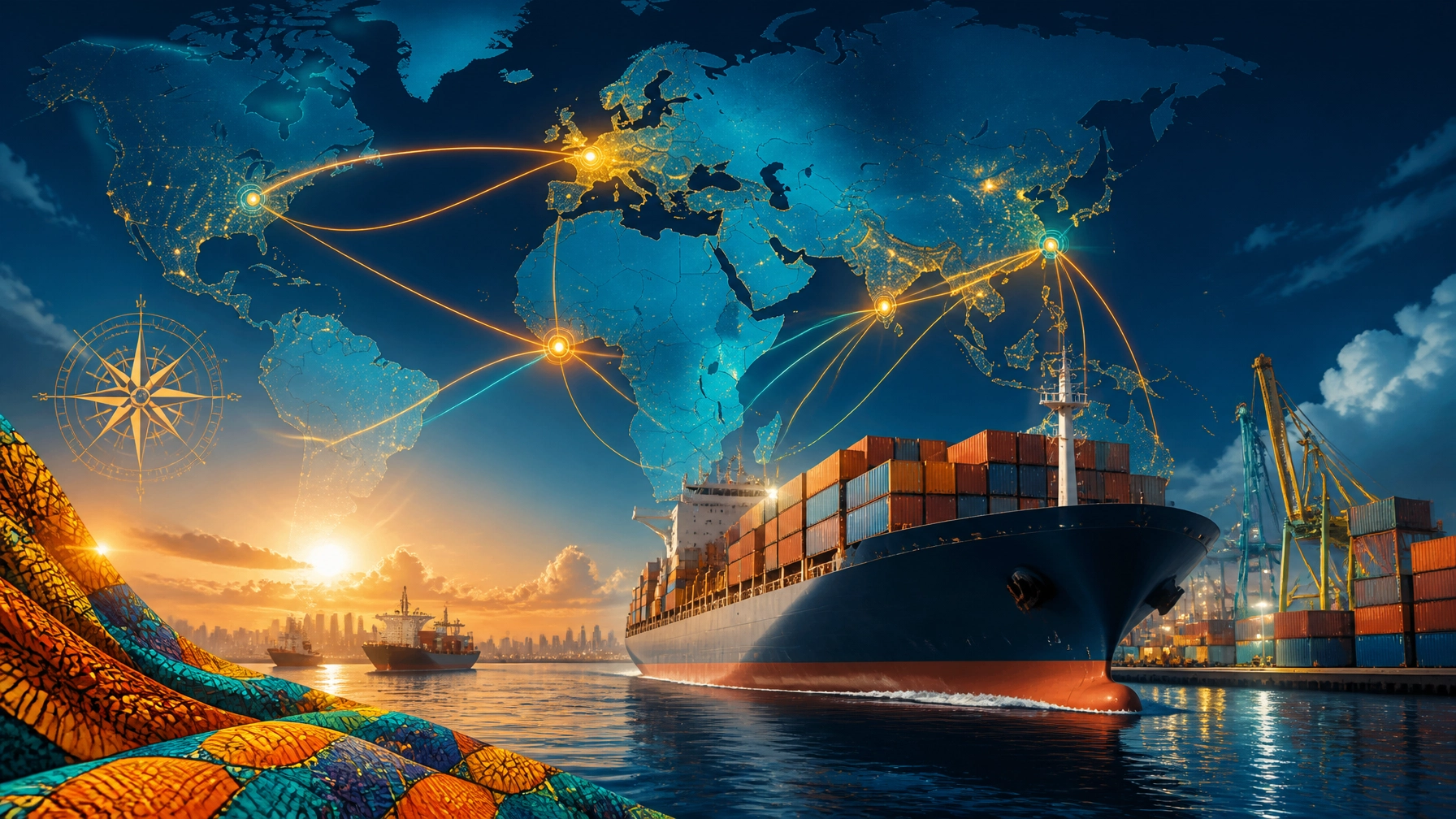
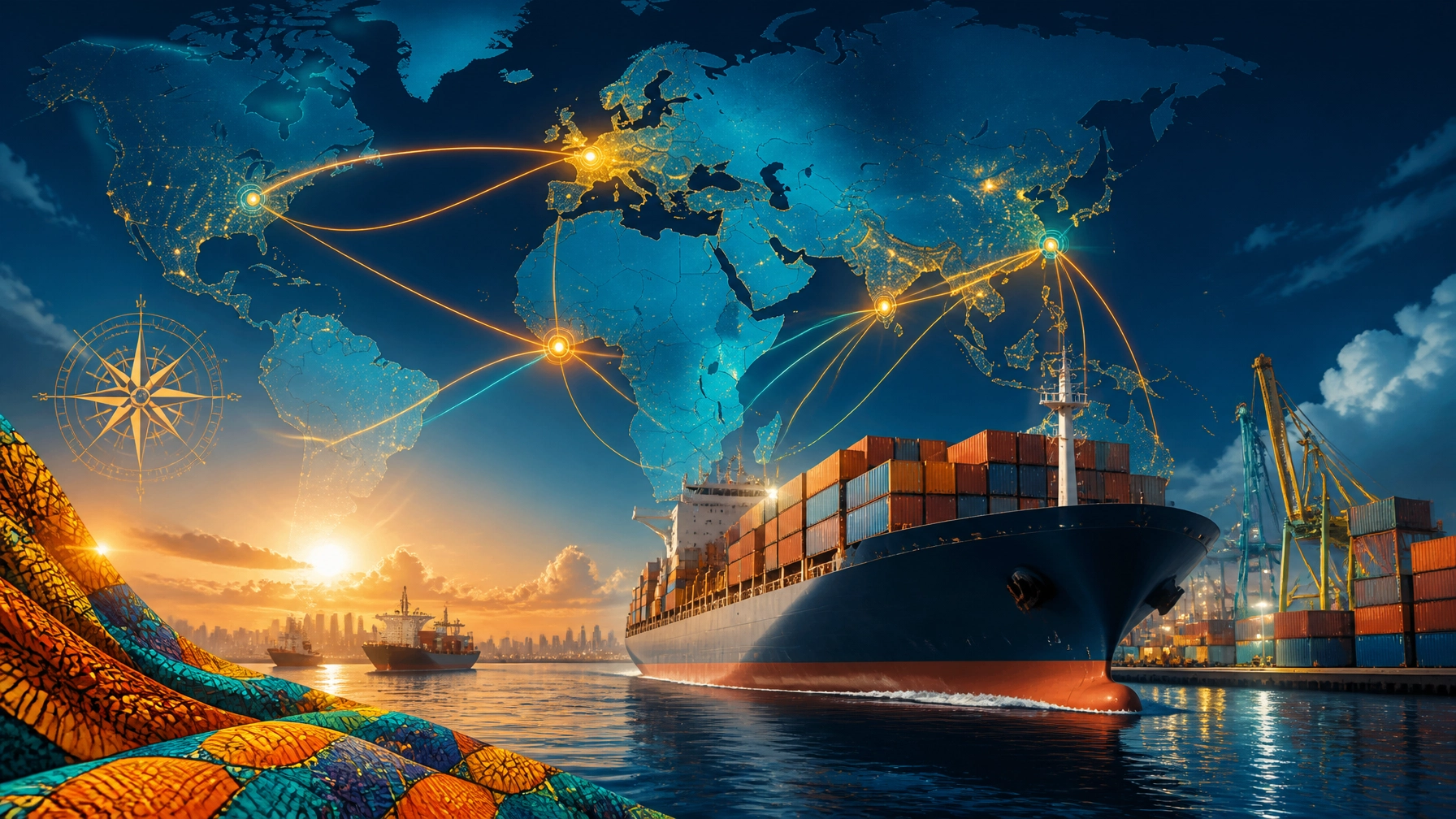
More than 80% of global merchandise trade moves by sea, making international seaports the essential connecting points of the world economy. From Shanghai and Singapore to Rotterdam, Los Angeles, Jebel Ali, and Lagos, these ports receive, process, transfer, and dispatch the cargo that keeps factories supplied and customers served.
The scale is enormous. Global ports handled approximately 920 million TEUs in 2024, while the world’s top 100 container ports processed roughly 743.6 million TEUs, according to industry and maritime trade data. A TEU, or twenty-foot equivalent unit, is the standard measurement for container traffic.
For businesses, port selection is not just a matter of geography. It affects transit time, customs efficiency, inland delivery costs, cargo security, and supply chain reliability. Here is how the major seaports of the world keep international commerce moving: and how the right freight-forwarding partner turns complex port operations into a controlled, trackable process.
What are the major seaports of the world?
The major seaports of the world are high-capacity gateways and transshipment hubs that connect manufacturing centers, consumers, and inland distribution networks. They combine deep-water access, advanced cranes, customs systems, rail or road connections, warehousing, and frequent vessel schedules to manage enormous cargo volumes efficiently.
The strongest ports generally fall into two categories:
- Gateway ports serve a large local or regional economy.
- Transshipment hubs transfer cargo between long-haul vessels and smaller feeder ships.
Some ports perform both roles. Their importance depends not only on container volume but also on connectivity, infrastructure, reliability, location, and the speed at which cargo moves through the terminal.
Which are the busiest international seaports?
The busiest international seaports are concentrated in Asia, reflecting the region’s major role in manufacturing and global exports. Based on 2024 throughput figures compiled by industry rankings and port authorities, Shanghai leads the world, followed by Singapore, Ningbo-Zhoushan, Shenzhen, and Qingdao.
| Approximate rank | International seaport | Country or economy | 2024 throughput |
|---|---|---|---|
| 1 | Shanghai | China | 51.5 million TEUs |
| 2 | Singapore | Singapore | 41.1 million TEUs |
| 3 | Ningbo-Zhoushan | China | 39.3 million TEUs |
| 4 | Shenzhen | China | 33.4 million TEUs |
| 5 | Qingdao | China | 30.9 million TEUs |
| 6 | Guangzhou | China | 26.1 million TEUs |
| 7 | Busan | South Korea | 24.4 million TEUs |
| 8 | Tianjin | China | 23.3 million TEUs |
| 9 | Jebel Ali | United Arab Emirates | 15.5 million TEUs |
| 10 | Port Klang | Malaysia | 14.6 million TEUs |
The World Shipping Council’s Top 50 Container Ports provides a useful view of global port scale. However, volume is only one measure. The World Bank’s Container Port Performance Index focuses on operational efficiency and vessel turnaround time, showing why the biggest port is not always the fastest port.

How do international seaports keep global trade moving?
International seaports keep global trade moving by combining marine infrastructure, terminal operations, customs clearance, digital information systems, and inland transportation. Every container passes through a carefully coordinated chain of booking, loading, documentation, vessel handling, inspection, release, and final delivery before reaching its destination.
The process typically includes:
-
Cargo booking and export preparation
A shipper reserves space with a carrier and prepares commercial documents, packing details, and cargo classifications. -
Pre-carriage to the port
Trucks or rail services move cargo from a warehouse, factory, or supplier to the terminal. -
Terminal receiving and container handling
The port checks the container, records its status, and positions it for loading. -
Vessel loading and ocean transit
Gantry cranes load containers according to the vessel’s stowage plan, balancing weight, destination, and cargo requirements. -
Arrival, discharge, and customs processing
Containers are unloaded, inspected when required, and cleared for onward transportation. -
Inland delivery
Cargo moves by truck, rail, barge, or a combination of modes to the consignee or final delivery location.
The best-performing ports use port community systems, automated equipment, real-time data, and coordinated customs procedures to reduce unnecessary waiting. Even a highly modern port, however, cannot eliminate every risk. Weather, labor disruptions, congestion, equipment shortages, blank sailings, and incomplete documents can still affect schedules.
Which major seaports matter by region?
Major seaports matter by region because each one serves a distinct trade corridor, industrial base, or consumer market. Shanghai and Ningbo-Zhoushan support East Asian manufacturing; Rotterdam and Antwerp-Bruges connect Europe; Los Angeles and Long Beach serve North America; Jebel Ali and Tanger Med link Europe, Asia, Africa, and the Middle East.
Asia-Pacific
Asia dominates the list of the world’s largest container ports. Shanghai is a major gateway for the Yangtze River Delta, while Ningbo-Zhoushan supports manufacturing and export activity in eastern China. Singapore and Busan operate as powerful transshipment hubs, connecting long-haul services with regional feeder networks.
Shenzhen and Guangzhou serve the Pearl River Delta, one of the world’s most important manufacturing regions. Together, these ports help move electronics, machinery, textiles, vehicles, industrial components, and consumer goods across global markets.
Europe
Rotterdam is Europe’s largest container gateway and a major logistics center for the Netherlands and the wider European hinterland. Antwerp-Bruges serves Belgium and neighboring markets, while Hamburg connects Germany and Central Europe.
These ports depend heavily on inland rail, road, barge, and warehouse networks. A container’s journey does not end when the vessel reaches Europe; efficient onward movement determines the port’s real value to importers and exporters.
North America
The Port of Los Angeles and Port of Long Beach form the largest container gateway complex in the United States, supporting trade between Asia and the American consumer market. In 2024, Los Angeles handled approximately 10.3 million TEUs, while Long Beach processed about 9.65 million TEUs.
The Port of New York and New Jersey, with approximately 8.7 million TEUs in 2024, serves the densely populated U.S. East Coast and major inland distribution centers.
Middle East and Africa
Jebel Ali in Dubai is the Middle East’s leading container port and a critical connection between Asia, Europe, Africa, and the Gulf region. Its free-zone ecosystem also supports manufacturing, warehousing, redistribution, and re-export activity.
In Africa, Tanger Med in Morocco ranks among the continent’s leading container ports and provides an important connection between Mediterranean, Atlantic, European, and African trade lanes. West African ports, including Lagos-area facilities such as Apapa and Tin Can Island, remain essential for cargo entering Nigeria’s large commercial market.

How should a business choose an international seaport?
A business should choose an international seaport based on total landed cost, vessel availability, cargo type, customs requirements, port reliability, inland connections, and final delivery location. The nearest port is not always the best option. A slightly longer ocean route can reduce congestion, storage charges, handling risks, or inland transportation costs.
Before selecting a route, evaluate:
- Cargo requirements: Confirm whether the shipment needs special equipment, oversized handling, refrigeration, dangerous-goods controls, or heavy-lift capability.
- Port congestion: Review historical dwell times, terminal conditions, and seasonal pressure.
- Carrier schedules: Compare sailing frequency, transshipment requirements, and schedule reliability.
- Customs readiness: Ensure invoices, packing lists, certificates, permits, and classifications are accurate before arrival.
- Inland delivery: Calculate the cost and timing of trucking, rail, warehousing, and final-mile delivery.
- Visibility: Choose a logistics provider with live shipment tracking and proactive exception updates.
- Port alternatives: Build a backup route when a primary port faces congestion, weather disruption, or capacity constraints.
For shipments to Nigeria, advance planning is especially important. Accurate documentation and prompt customs preparation can help reduce avoidable delays, storage charges, and demurrage exposure. PSI’s guide to avoiding costly demurrage at Nigerian ports explains several practical safeguards.
How does PSI Global Logistics simplify seaport shipping?
PSI Global Logistics simplifies seaport shipping by managing the complete movement from pickup to delivery. Our efficient logistics workflows coordinate carriers, documentation, customs requirements, port operations, tracking, and inland transportation, while our streamlined documentation processes help keep cargo moving with fewer avoidable interruptions.
Businesses can use PSI for:
- Ocean freight: Full container load and less-than-container load solutions for commercial cargo, equipment, and inventory.
- Door-to-door pickup and delivery: Reliable coordination from the shipper’s location to the final consignee.
- Heavy machinery logistics: Careful planning for oversized, high-value, and project cargo.
- Documentation support: Commercial paperwork, shipping instructions, customs coordination, and compliance preparation.
- Real-time shipment visibility: PSI’s instant live tracking system provides shipment updates across key transport stages.
- Procurement and inventory support: Purchasing, consolidation, warehousing, and inventory management for businesses with international supply chains.
For Houston shippers, PSI also provides complimentary Houston air cargo pickup for qualifying air freight shipments of 13 pounds or more. That service complements our ocean freight capabilities when cargo is urgent, lightweight, or time-sensitive.
Our primary operational advantage is control: fewer disconnected handoffs, clearer paperwork, better shipment visibility, and one experienced team coordinating the moving parts. Exceptional customer support adds another layer of confidence, especially when cargo involves strict deadlines, complex destinations, or valuable machinery.
Learn more about Houston-to-Nigeria logistics, door-to-door shipping services, or PSI’s customized logistics solutions.

What sources provide reliable international seaport data?
Reliable international seaport data comes from port authorities, UN Trade and Development, the World Shipping Council, the World Bank, and established maritime trade publications. These sources measure different factors, including container throughput, vessel turnaround time, connectivity, infrastructure, and trade facilitation.
For further reading, consult:
- UN Trade and Development maritime transport statistics
- UNCTAD Review of Maritime Transport 2025
- World Shipping Council port rankings
- World Bank Container Port Performance Index
What do shippers frequently ask about international seaports?
Shippers commonly ask which ports are busiest, how ports differ from one another, how cargo moves after vessel arrival, and how port selection affects cost and timing. The right answer depends on cargo specifications, origin, destination, shipping mode, documentation, carrier schedules, and the final inland delivery plan.
What is the busiest seaport in the world?
Shanghai is the busiest container seaport in the world by annual throughput. It handled approximately 51.5 million TEUs in 2024, according to widely reported industry figures. Singapore ranks second by volume and remains one of the world’s most important transshipment hubs.
What is the difference between a gateway port and a transshipment port?
A gateway port primarily receives or exports cargo for a nearby city, region, or national economy. A transshipment port transfers containers between vessels, often connecting large intercontinental ships with smaller regional services. Many major international seaports perform both functions.
Why is Singapore such an important international seaport?
Singapore is positioned along major Asia-Europe maritime routes and offers extensive vessel connectivity, modern terminal infrastructure, and highly developed transshipment operations. Its role allows cargo to move between long-haul services and regional destinations throughout Southeast Asia and beyond.
How can port congestion affect my shipment?
Port congestion can create vessel delays, container dwell time, missed connections, storage costs, demurrage, and later inland delivery disruptions. Strong documentation, early booking, route planning, live tracking, and contingency options help businesses respond before a delay becomes a larger supply chain problem.
Can PSI Global Logistics manage delivery after a container leaves the port?
Yes. PSI Global Logistics coordinates door-to-door freight movement, including pickup, ocean transportation, customs documentation, inland delivery, and shipment visibility. Our team supports commercial freight, inventory, heavy machinery, and international shipments moving through major seaports worldwide.






Leave A Comment