
8718 WESTPARK DR, HOUSTON, TX 77063 | 713-589-2925
Moving high-value telecommunications gear and sensitive IT hardware from Houston to Nigeria requires absolute precision. One small oversight in your shipping workflow can trigger devastating customs delays, costly damage, or regulatory seizures. By identifying and correcting the most common operational pitfalls, you protect your bottom line and ensure seamless global delivery.
Why is traditional freight forwarding failing your telecom hardware?
Traditional shipping methods frequently fail high-tech cargo because standard freight forwarders treat sensitive electronics like ordinary freight. Telecommunications hardware demands specialized crating, rigorous environmental controls, precise regulatory compliance, and real-time tracking to withstand intercontinental transit from Houston to Lagos without incurring catastrophic hardware failure or regulatory fines.
What happens when you use incorrect packaging and insufficient crating?

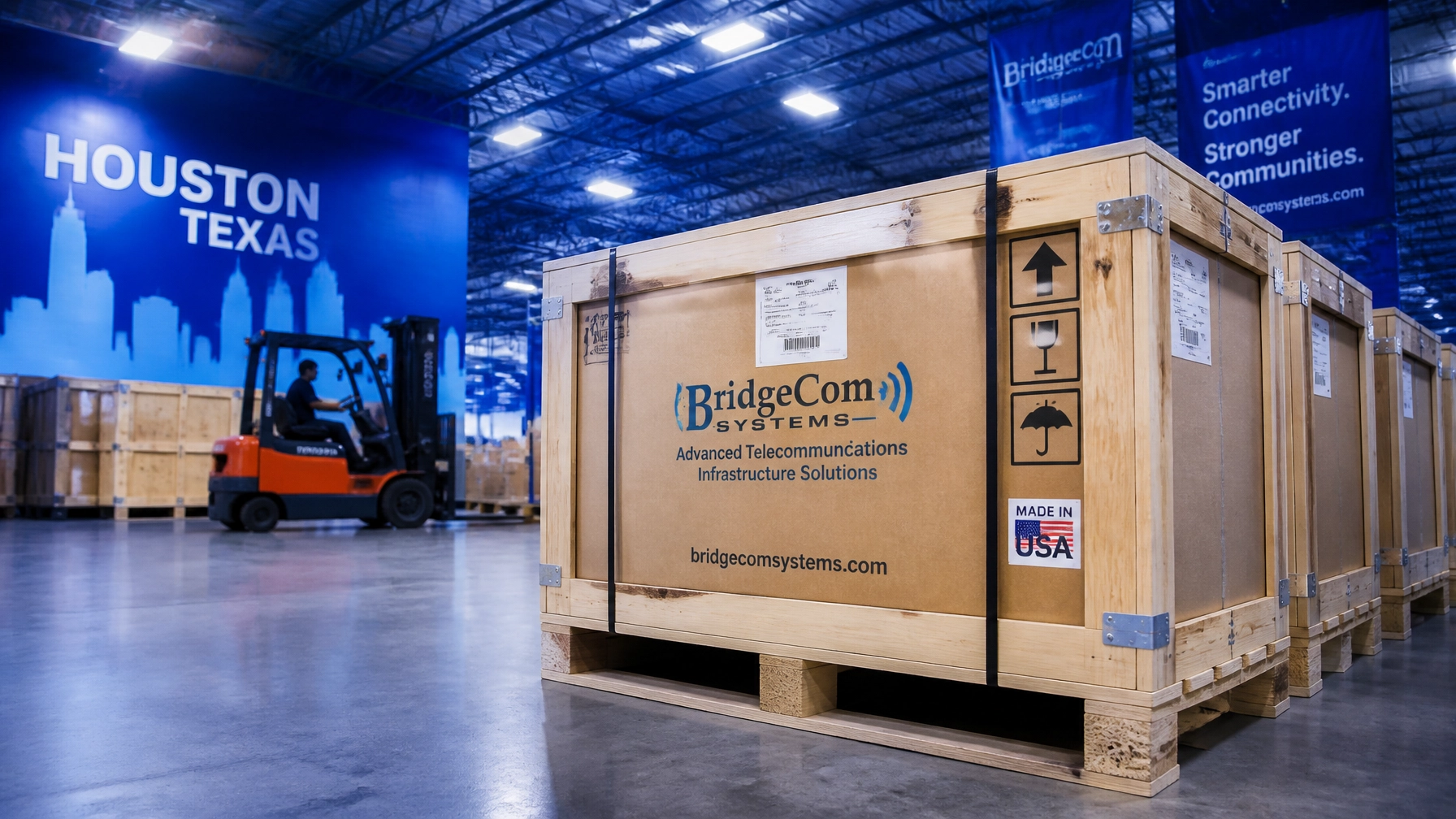
Inadequate packaging is the number one cause of physical damage during international freight transit. Heavy vibration, rough cargo handling, and severe marine or air turbulence destroy delicate server blades, routers, and switching equipment if they lack heavy-duty industrial crating, custom-cut high-density foam inserts, and secure shock-absorbing palletization designed specifically for sensitive technology.
To fix this, mandate custom ISPM 15-compliant heat-treated wooden crating for all delicate telecom shipments. Secure internal components with bracing and utilize suspension packaging that absorbs kinetic shock during multi-modal transit from our Houston terminal to final delivery sites across Nigeria.
How do static charges and moisture destroy sensitive electronics en route?
Overlooking anti-static shielding and moisture barrier packaging exposes circuit boards and microprocessors to destructive electrostatic discharge and high humidity during ocean or air transport. Tropical maritime environments and extreme temperature fluctuations inside cargo holds create condensation, leading to irreversible corrosion and short-circuits upon activation.
Always seal sensitive hardware in metallized moisture-barrier bags with vacuum-sealed desiccant packs to absorb residual humidity. Combine this with anti-static bubble wrap and continuous humidity indicators on the outside of inner cartons to verify environmental integrity upon arrival at destination.
Why do missing specialized import permits halt your shipments at customs?

Failing to secure mandatory regulatory approvals before dispatching equipment triggers immediate customs impoundment. Telecommunications gear entering Nigeria requires strict compliance verification, including Nigerian Communications Commission (NCC) type approvals, Standards Organisation of Nigeria (SONCAP) documentation, and electronic Form M processing through NICIS II.
Ensure your compliance team obtains all necessary type approvals and opens Form M well ahead of departure. Partnering with PSI Global Logistics guarantees that every piece of telecom infrastructure meets regulatory criteria before it leaves Houston, eliminating clearance bottlenecks at Nigerian ports.
Can incorrect HS code classification trigger costly customs holds?
Misclassifying telecom hardware under the wrong Harmonized System (HS) code results in erroneous duty calculations, severe financial penalties, and prolonged customs audits. Authorities enforce rigorous inspection standards, and mismatched product descriptions instantly raise red flags during destination inspection.
Work directly with experienced logistics professionals to assign precise HS codes to every item, such as routers, optical transceivers, and cellular base station components. Accurate classification ensures transparent tax assessment, zero compliance friction, and rapid clearance through Nigerian customs.
Is your business exposed by not using real-time tracking for high-value cargo?

Relying on outdated, manual status updates leaves stakeholders blind to critical milestones during high-value tech transit. When shipping multi-million-dollar telecommunications infrastructure, visibility gaps increase vulnerability to loss, theft, and uncoordinated site delivery schedules.
Implement advanced instant live tracking systems that provide continuous, real-time updates from pickup at your Houston facility through international transit and final site delivery. Complete visibility empowers your project managers to coordinate installation teams with absolute confidence.
Are you choosing the wrong freight mode for sensitive electronics?
Selecting ocean freight for ultra-sensitive, time-critical microelectronics or choosing expensive air cargo for oversized passive infrastructure drains capital and increases risk profiles. Mismatching transport modes exposes hardware to extended transit stress or unnecessary expenditure.
Evaluate cargo sensitivity, weight, and deployment deadlines carefully. Utilize secure, rapid air freight for urgent server components and high-priority tech, while reserving optimized container shipping for heavy-duty telecom masts and bulk hardware. PSI Global Logistics expertly orchestrates both air and ocean pathways.
Why does partnering with an inexperienced logistics provider cost you money?

Collaborating with general freight forwarders who lack deep expertise in African trade lanes and telecom regulations leads to recurring compliance errors, unexpected demurrage fees, and failed deployments. International tech logistics demands localized expertise and robust operational infrastructure on both ends of the supply chain.
Choose PSI Global Logistics as your definitive partner. With our central Houston hub at 8718 WESTPARK DR, complimentary local air cargo pickup, meticulous documentation workflows, and deep-rooted operational expertise across Nigeria, we absorb the complexity so your business succeeds effortlessly. Contact our team today at 713-589-2925 to optimize your next telecommunications shipment.
Frequently Asked Questions
What are the main regulatory requirements for shipping telecom equipment to Nigeria?
Importing telecommunications hardware into Nigeria requires electronic Form M processing via NICIS II, valid SONCAP certification, and appropriate Nigerian Communications Commission (NCC) type approvals for all radio and networking devices to ensure lawful operation.
How does PSI Global Logistics protect high-value electronics during transit?
We utilize custom industrial crating, high-density shock-absorbing foam, anti-static shielding, moisture-barrier vacuum packaging, and instant live tracking systems to guarantee secure delivery from Houston to your destination in Nigeria.
Can PSI handle both air and ocean freight for telecommunications projects?
Yes, we provide fully automated secure air freight for rapid, sensitive tech delivery and expertly managed ocean freight solutions for heavy telecom infrastructure and bulk hardware deployments.
What is the advantage of using PSI Global Logistics in Houston?
Our headquarters at 8718 WESTPARK DR in Houston offers unmatched convenience, featuring complimentary local air cargo pickup, streamlined documentation processes, and specialized expertise in clearing goods smoothly through Nigerian ports.











Leave A Comment