
ADDRESS: 8718 WESTPARK DR, HOUSTON, TX 77063, USA
PHONE: +1 713-589-2925
EMAIL: INFO@PSISHIPPING.COM
WEBSITE: PSISHIPPING.COM
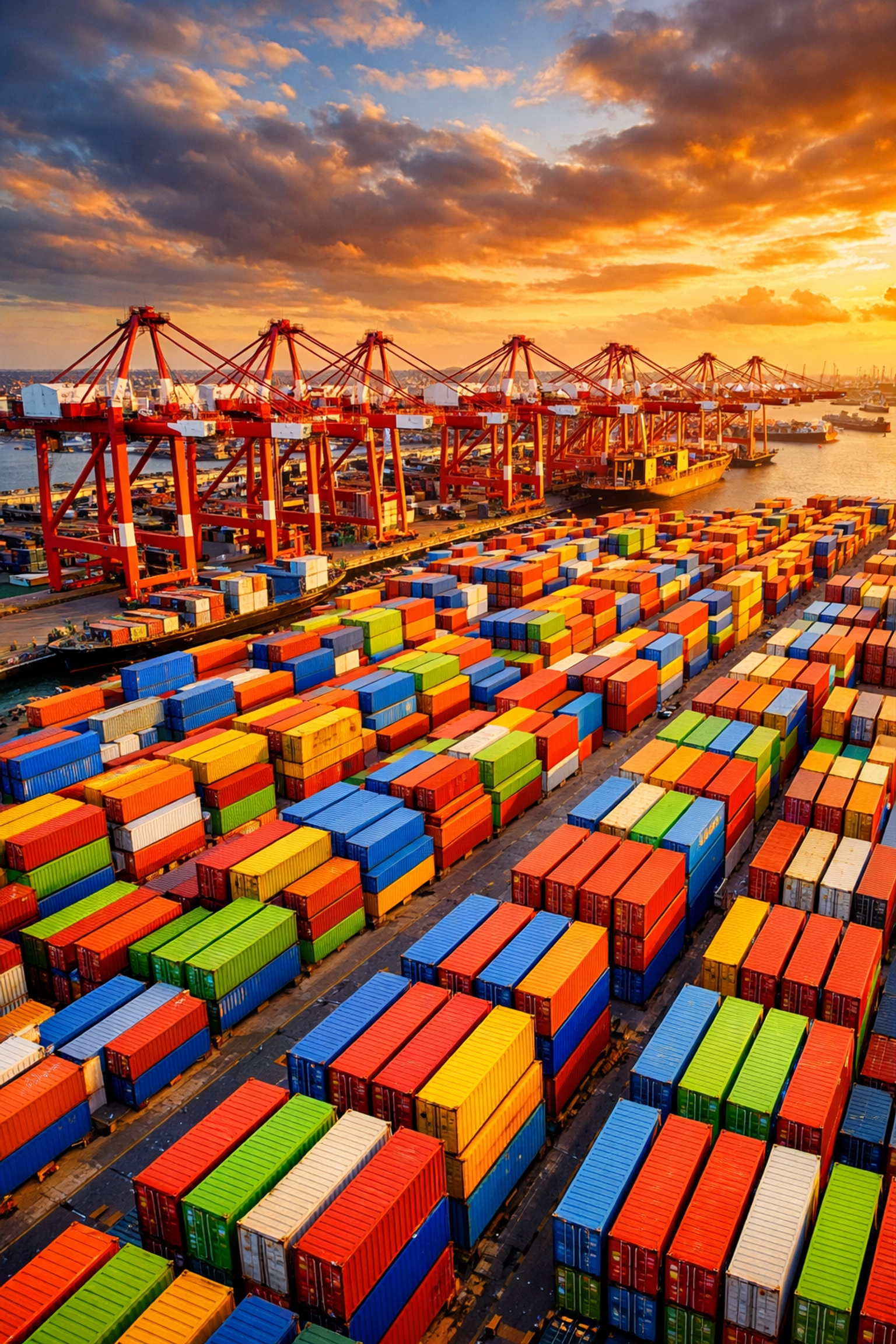
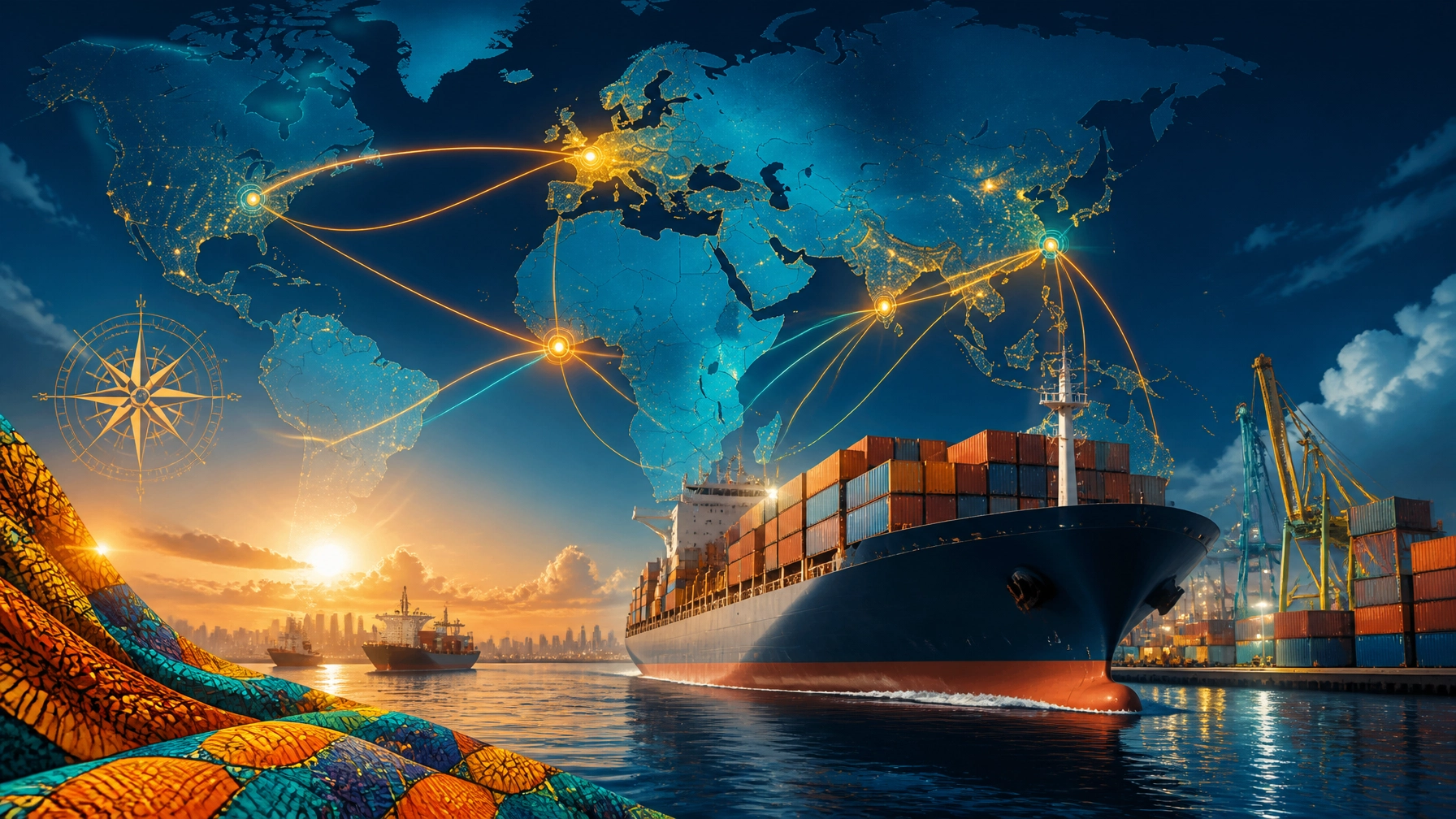
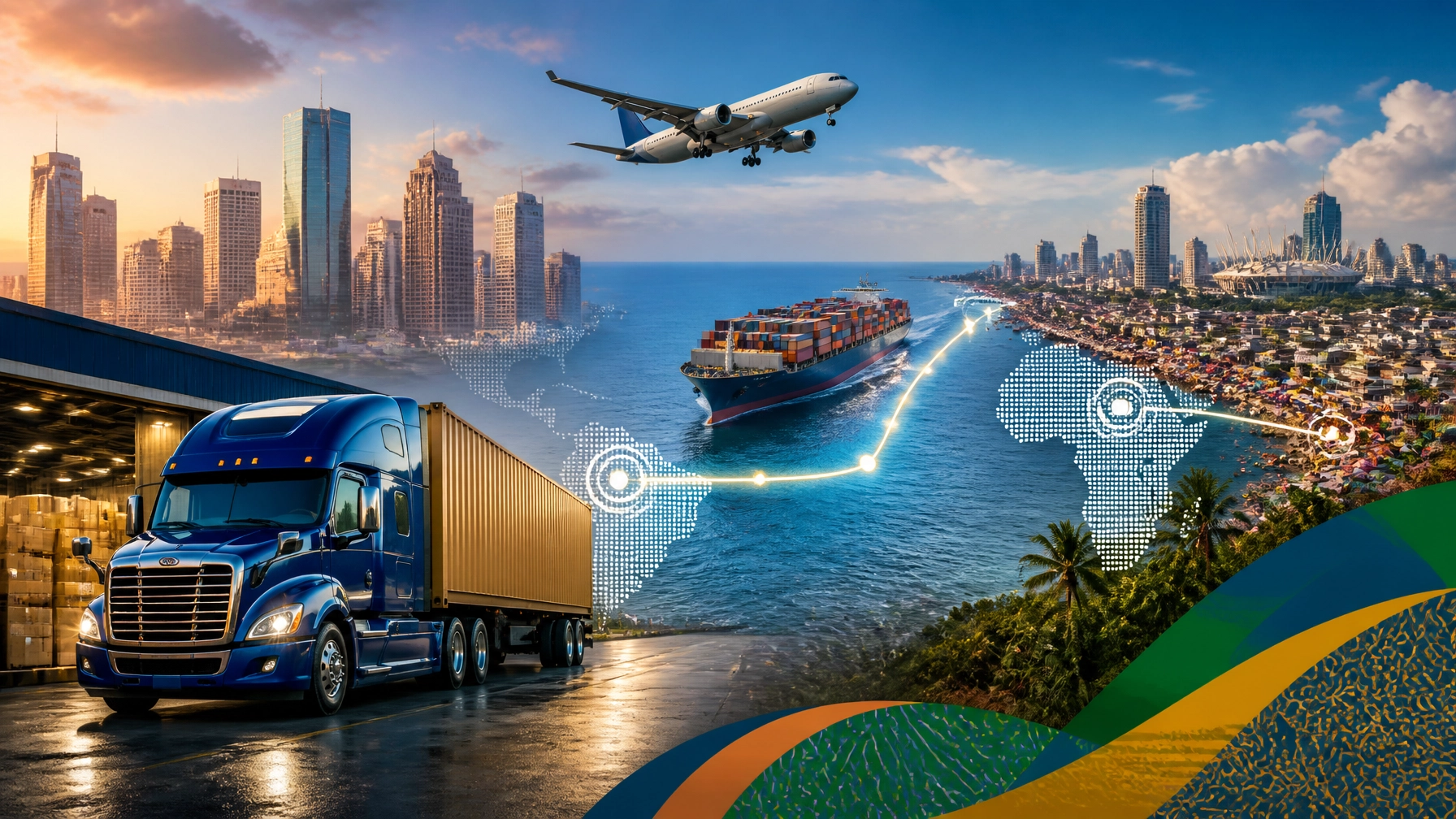
Picture this: rows upon rows of bright orange, electric blue, fire-engine red, and sunshine yellow containers stacked like massive LEGO blocks against the horizon. Colossal cranes dance in synchronized ballet, moving goods that'll end up everywhere from your local grocery store to the smartphone in your pocket. Welcome to the world's major seaports, the unsung heroes of global commerce and arguably some of the most vibrant, bustling places on Earth.
So, without further ado, let's dive into what makes these maritime giants tick and why they matter so much to businesses shipping goods across the globe.
Why Major Seaports Matter (And Why You Should Care)
Here's the thing: roughly 90% of global trade moves by sea. Yes, you read that right. Nine out of every ten products crossing international borders have spent time aboard a container ship, passing through at least one of the world's major seaports. These aren't just docks with boats, they're sophisticated, high-tech logistics hubs that can make or break your supply chain.
What's more, the efficiency of these ports directly impacts your bottom line. A port that processes cargo quickly? Your products reach customers faster. A port with congestion issues? Well, you're looking at delays, additional storage fees, and potentially unhappy clients.
The Heavy Hitters: Asia's Port Powerhouses
Let's talk about the major seaports of the world that consistently top the charts. It goes without saying that Asia dominates the rankings, and for good reason: this region is the manufacturing backbone of the global economy.
Port of Shanghai, China
If ports were cities, Shanghai would be New York, Tokyo, and London combined. This behemoth handles over 47 million TEUs (twenty-foot equivalent units) annually: at least in my opinion, that's mind-boggling. The sprawling facility features cutting-edge automation, with electric-powered cranes moving containers with precision that'd make a Swiss watchmaker jealous.
The sheer scale is hard to grasp until you see it. We're talking about a port so massive it has its own weather patterns (okay, maybe a slight exaggeration, but you get the point).
Port of Singapore
Singapore's port isn't just big: it's SMART. This city-state has invested billions in technology to create one of the most efficient maritime hubs globally. With automated wharf cranes, unmanned vehicles, and AI-driven logistics systems, Singapore proves that size isn't everything: efficiency matters just as much.
Additionally, Singapore's strategic location at the crossroads of major shipping lanes makes it an unavoidable stop for vessels traveling between Asia, Europe, and beyond.
Port of Ningbo-Zhoushan, China
Another Chinese giant, Ningbo-Zhoushan consistently battles Shanghai for the top spot. What makes this port particularly interesting? Its natural deep-water harbor means even the largest container ships: those massive vessels that look like floating apartment buildings: can dock without issue.
The Western Contenders: Europe and the Americas
But either way, Asia doesn't have a complete monopoly on maritime excellence. The Western Hemisphere boasts several major seaports that punch well above their weight.
Port of Rotterdam, Netherlands
Rotterdam is Europe's largest port and has been for decades. This Dutch marvel handles everything from containers to liquid bulk cargo, and it's pioneering green port technology. The facility is investing heavily in hydrogen fuel infrastructure and carbon-neutral operations: a trend we'll certainly see more of in coming years.
The port's connection to the Rhine River gives it unparalleled access to Europe's industrial heartland, making it a critical gateway for goods heading to Germany, France, Belgium, and beyond.
Port of Los Angeles & Long Beach, USA
These twin California ports function as America's primary gateway to Asia. Together, they handle roughly 40% of all containerized imports entering the United States. If you've ordered anything manufactured in Asia (which, let's be honest, is probably most of your stuff), there's a solid chance it passed through one of these facilities.
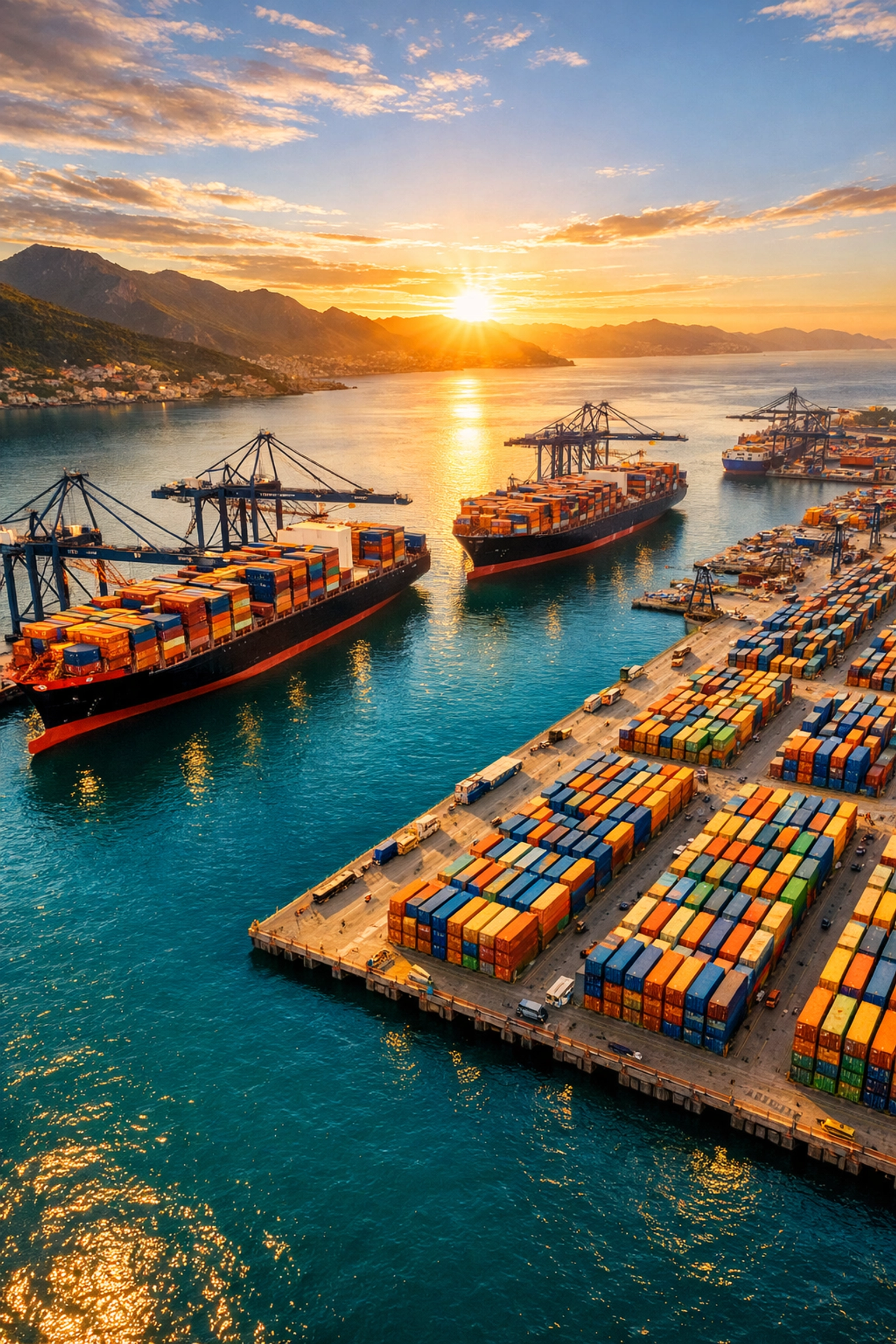
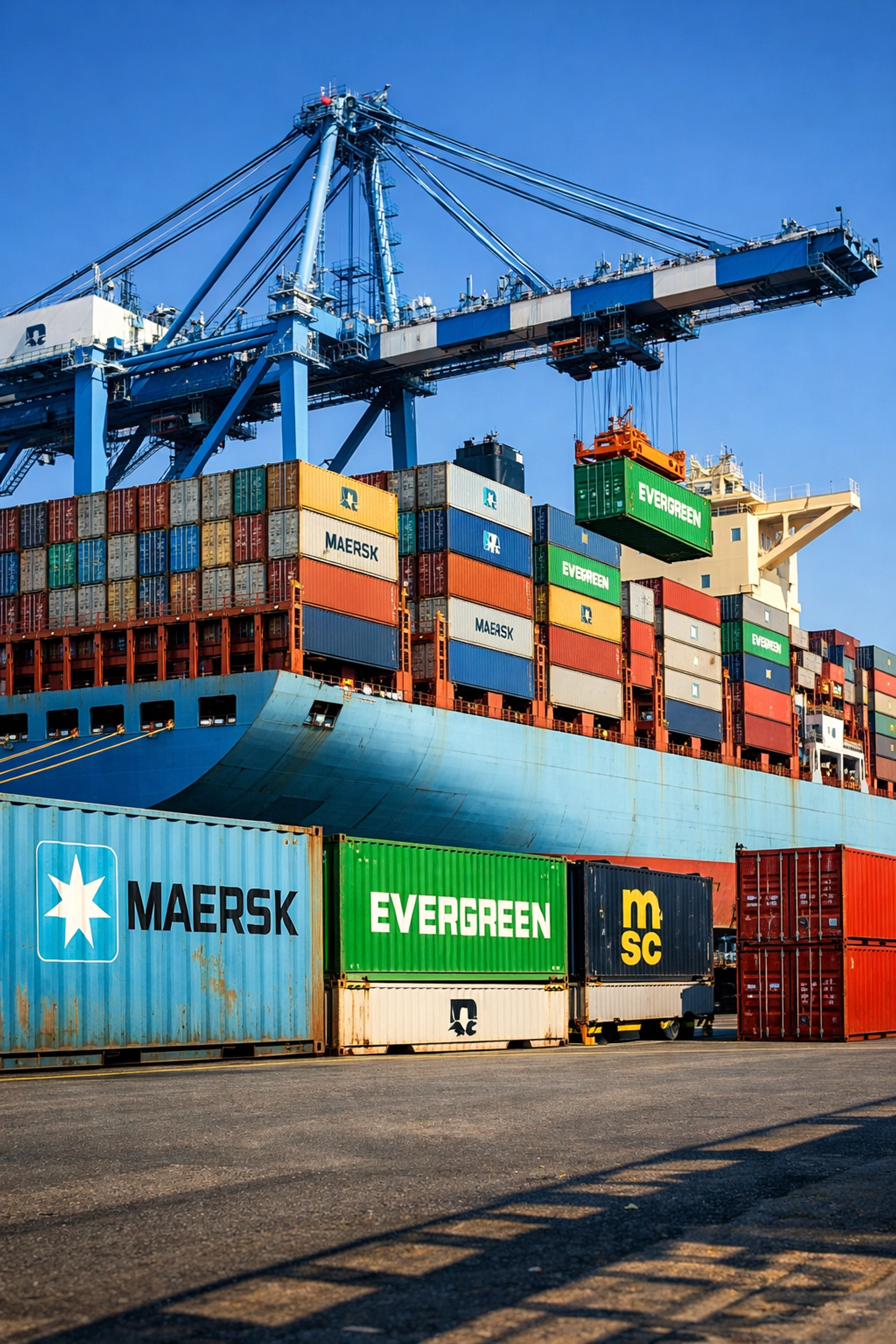
The ports feature colorful terminals operated by different shipping lines, creating a patchwork quilt of branded containers: bright Maersk blue, vivid Evergreen green, bold MSC white and navy: that's oddly beautiful from an aerial view.
Port of Santos, Brazil
South America's busiest port, Santos handles massive volumes of agricultural exports: think coffee, soybeans, sugar: alongside containerized goods. It's a vital connection between Latin America and the rest of the world, and its importance continues to grow as Brazil's economy expands.
What Makes a Great Port Great?
Why do some ports thrive while others struggle? Several factors separate the maritime giants from the also-rans:
Infrastructure and Technology: Modern ports invest heavily in automation, digital tracking systems, and efficient layouts. The difference between an outdated facility and a cutting-edge one can mean days of delay: or none at all.
Geographic Location: Being positioned along major trade routes is huge. Singapore didn't become a powerhouse by accident: it sits at the perfect crossroads.
Hinterland Connections: A port is only as good as its connections to inland destinations. Rail links, highway access, and even river connections determine how quickly goods move from ship to shelf.
Regulatory Environment: Customs efficiency, transparent pricing, and business-friendly policies attract shipping lines and cargo owners alike.
Capacity and Scalability: Can the port handle peak seasons? Does it have room to expand? These questions matter enormously for long-term planning.
The Future Is Bright (Literally)
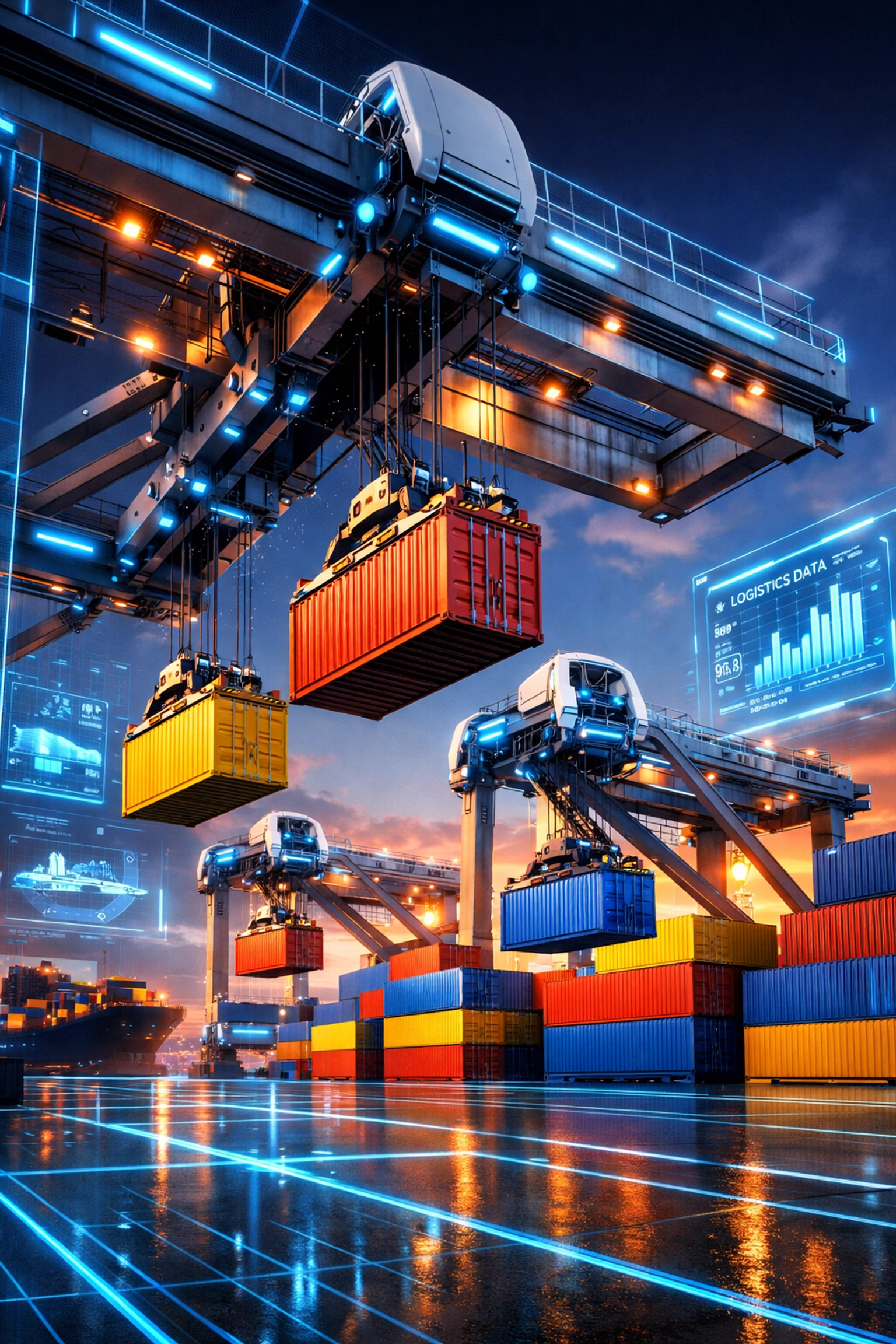
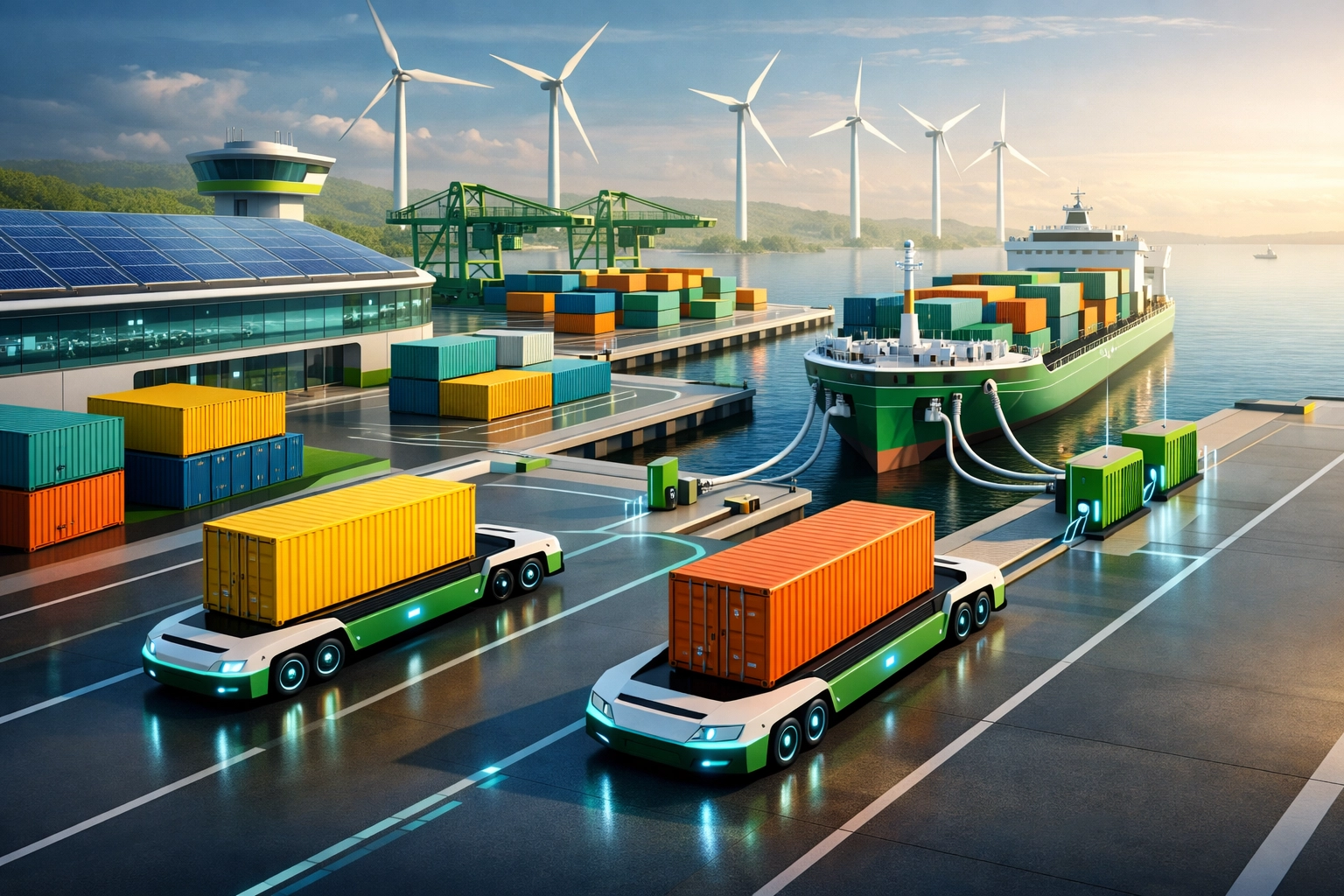
The future of major seaports looks increasingly colorful: and not just because of those vibrant containers. Ports worldwide are investing in smart port technology, with digital twins that simulate operations, IoT sensors tracking every container, and AI predicting congestion before it happens.
What's more, sustainability is becoming a priority. Many major seaports are implementing shore power systems (allowing docked ships to plug into electrical grids instead of running diesel generators), investing in electric cargo-handling equipment, and planning carbon-neutral operations.
Rotterdam aims to be fully carbon-neutral by 2050. Los Angeles has banned certain high-emission trucks from port grounds. Singapore is experimenting with autonomous vehicles for container transport. It will certainly be an interesting development to watch.
Navigating the Maze: How PSI Global Logistics Helps
Here's the reality: understanding which major seaports work best for your specific cargo, timing, and destination can be incredibly complex. Each port has different strengths, specialties, and connections. Routing decisions that seem minor on paper can have massive implications for cost and timing.
This is where having an experienced logistics partner becomes invaluable. At PSI GLOBAL LOGISTICS, we navigate these decisions daily, leveraging relationships and expertise built over years of moving cargo through the world's major seaports.
Whether you're shipping through Shanghai's automated terminals, Rotterdam's eco-friendly facilities, or Long Beach's massive container yards, we ensure your cargo takes the optimal route and arrives on time. We handle customs complexities, coordinate with terminal operators, and provide real-time tracking so you always know where your shipment stands.
Our team understands that behind every container: whether it's bright orange, electric blue, or forest green: is a business counting on timely delivery. We take that responsibility seriously.
The Takeaway
The world's major seaports are engineering marvels, economic engines, and logistical masterpieces all rolled into one. From Shanghai's record-breaking volumes to Singapore's cutting-edge technology, these facilities keep global commerce humming along.
For businesses engaged in international trade, understanding these maritime giants isn't just academic: it's essential for success. The right port choice, combined with expert logistics support, can mean the difference between smooth operations and supply chain headaches.
To be sure, I've only scratched the surface here. There are hundreds of significant ports worldwide, each with unique characteristics and capabilities. But the principles remain constant: efficiency, connectivity, and expertise matter enormously.
Ready to navigate the world of international shipping with confidence? The team at PSI Global Logistics is here to help.
ADDRESS: 8718 WESTPARK DR, HOUSTON, TX 77063, USA
PHONE: +1 713-589-2925 | TOLL-FREE: 1-855-663-7447
EMAIL: INFO@PSISHIPPING.COM
WEBSITE: PSISHIPPING.COM
Let's make sure your cargo moves through the RIGHT major seaports, at the RIGHT time, for the RIGHT price.
After all, in a world connected by these vibrant, bustling maritime giants, having the right logistics partner makes all the difference.





Leave A Comment