

PSI GLOBAL LOGISTICS
8718 WESTPARK DR, HOUSTON, TX 77063
PHONE: 713-589-2925
Global port congestion is reaching a new high-water mark in September 2026. More than 4 million TEU of containership capacity is waiting in queues worldwide, exceeding the roughly 4 million TEU pandemic-era peak recorded in 2022.
This is not one isolated port problem. Typhoon closures in China, industrial action in Northern Europe, Strait of Hormuz disruption, vessel bunching, and heavily utilized terminals are combining into a system-wide logistics challenge.
For importers, exporters, manufacturers, and Nigerian businesses, the response must be practical: book earlier, prepare documentation before departure, consolidate cargo intelligently, monitor every milestone, and keep air freight available when ocean schedules become unreliable.
Why is global port congestion in 2026 worse than the pandemic?
Global congestion is worse in absolute container capacity because more than 4 million TEU is now waiting offshore, while delays are spreading across Asia, Europe, the Middle East, and Africa. Pandemic disruption was severe, but 2026 combines weather closures, labor disruption, geopolitical rerouting, and vessel bunching across multiple trade corridors.
The percentage of the global fleet affected is not necessarily higher than the worst pandemic levels because the world fleet has grown. However, businesses are experiencing longer and less predictable delays because several independent disruptions are occurring at the same time.
Average ship waiting times have nearly doubled compared with early 2019 levels, while average containership time in port is reportedly up approximately 31%. That makes congestion a schedule-reliability problem, not simply a shortage of available vessel space.
What is driving the global port queue in September 2026?
The main drivers are repeated typhoon closures at Shanghai and Ningbo, industrial action across Northern Europe, route diversions around Middle Eastern chokepoints, and vessel bunching created when delayed ships arrive together. Once a terminal reopens, it must process both its normal schedule and accumulated backlog, extending recovery time.
Three operational pressures stand out:
- Typhoon closures in China: Shanghai and Ningbo-Zhoushan experience repeated terminal interruptions. Berthing delays reach approximately 10 days during the worst early-September conditions.
- Northern European industrial action: Labor disruptions at major gateways such as Rotterdam, Antwerp-Bruges, and Hamburg reduce productivity while already-delayed vessels arrive in clusters.
- Vessel bunching: Ships that miss berthing windows do not disappear from the network. They arrive later alongside other delayed vessels, creating sudden surges in demand for cranes, yard space, trucks, and inland transport.
High yard utilization makes the problem worse. When terminals are operating near capacity, every missed appointment or late container creates a larger knock-on effect. The result is a long tail of delays that moves from one port rotation to the next.

Which major seaports of the world are shaping global trade in 2026?
The 2026 rankings show that Asian international seaports remain the center of container shipping, with China occupying six of the top ten positions. Shanghai remains number one, Ningbo-Zhoushan overtakes Singapore for second place, and Jebel Ali drops sharply after Strait of Hormuz disruption reshapes Gulf shipping routes.
The key H1 2026 figures include:
| 2026 position | International seaport | H1 2026 information |
|---|---|---|
| 1 | Shanghai | 28.7 million TEU |
| 2 | Ningbo-Zhoushan | Overtakes Singapore; 8.8% growth |
| 3 | Singapore | Falls to third place |
| : | China’s leading ports | Six of the global top ten |
| 32 | Jebel Ali | Drops from the top ten after Gulf disruption |
Shanghai’s 28.7 million TEU in the first half of 2026 confirms its position as the world’s busiest container port. Ningbo-Zhoushan’s 8.8% growth allows it to pass Singapore, reflecting the strength of eastern China’s manufacturing and export base.
Jebel Ali’s fall to number 32 is a major warning for route planners. The port’s decline follows disruption around the Strait of Hormuz and wider Middle Eastern security conditions, which redirect cargo and force carriers to redesign services.
For additional context, see the H1 2026 global container port rankings reported by FreightWaves and PSI’s guide to the major seaports of the world.
How can businesses keep cargo moving during 2026 congestion?
Businesses can reduce exposure by booking earlier, consolidating compatible shipments, submitting complete documents before departure, using live tracking, and preparing a backup mode. These steps do not eliminate port congestion, but they reduce avoidable holds, improve decision-making, and create more time to reroute urgent cargo before deadlines are missed.
1. Book earlier than your normal planning window
Treat current carrier schedules as provisional. A vessel that appears to have a standard transit time may face delayed loading, missed connections, blank sailings, or an extended port rotation.
Build additional schedule protection into purchase orders and production plans. For cargo moving through Shanghai, Ningbo, Singapore, Northern Europe, or Gulf hubs, early booking is particularly important.
2. Consolidate shipments strategically
Consolidation can reduce the number of separate bookings, documents, pickups, and delivery appointments your team manages. It may also improve cost control when several smaller shipments are moving to the same destination.
However, do not consolidate cargo that has different urgency levels or regulatory requirements without a clear plan. Time-sensitive components may need to move separately from lower-priority inventory.
3. Pre-clear documentation before arrival
Documentation errors can create customs queries, inspections, valuation reviews, and terminal holds. Prepare commercial invoices, packing lists, Bills of Lading, certificates, permits, and cargo classifications before the vessel departs.
For Nigeria-bound cargo, pre-clear applicable Form M and Pre-Arrival Assessment Report (PAAR) requirements. Consistent descriptions, values, weights, quantities, HS codes, and consignee information help reduce avoidable dwell time at ports such as Apapa.
4. Use real-time tracking
A live tracking system helps logistics teams identify missed milestones before they become expensive surprises. Track pickup, port receipt, vessel departure, transshipment, estimated arrival, discharge, customs progress, release, and final delivery.
PSI’s instant live tracking system gives customers visibility across the shipment journey, allowing procurement, inventory, and operations teams to adjust plans based on current cargo status.
5. Keep air freight as a backup
Ocean freight remains the practical choice for many large or lower-urgency shipments. Air freight provides a valuable alternative when a production line, project deadline, or customer commitment cannot wait for a congested vessel rotation.
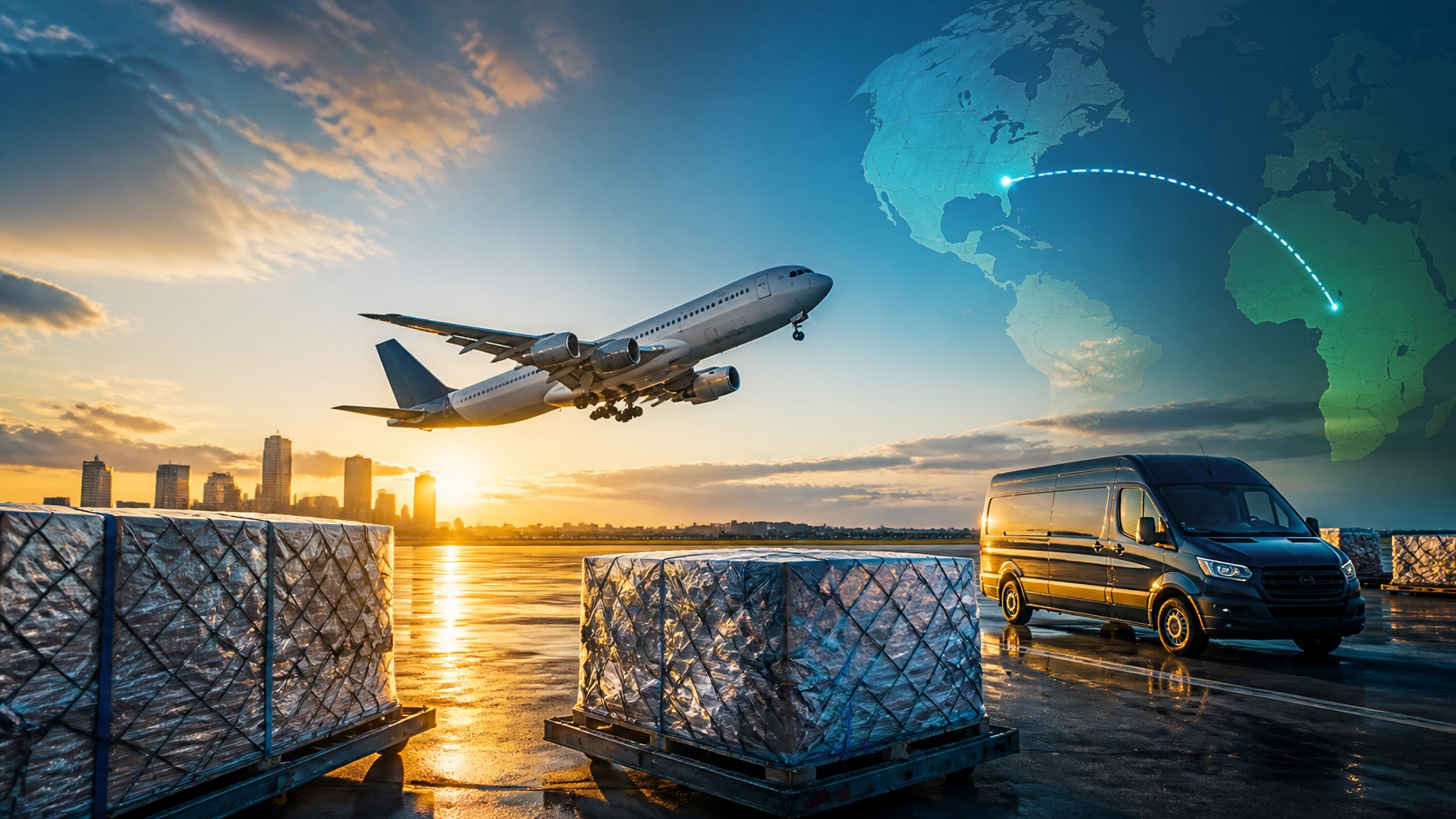
For eligible Houston-to-Lagos shipments, PSI can provide air freight transit of approximately 5–7 working days door-to-door, depending on cargo, routing, documentation, and customs conditions.
Why do Form M and PAAR matter at Apapa?
Form M and PAAR help establish the commercial, valuation, and regulatory information needed for Nigerian import processing before cargo reaches Apapa. Accurate pre-clearance does not remove every terminal or inspection delay, but it can reduce documentation-related holds and give customs and logistics teams more time to act.
A practical Apapa documentation file may include:
- Form M, where required
- PAAR
- Commercial invoice
- Packing list
- Bill of Lading
- Combined Certificate of Value and Origin, where applicable
- Insurance certificate
- SONCAP or product-specific approvals, where required
- Import permits
- Technical specifications for machinery
- Serial numbers, dimensions, weight, and photographs for equipment
For heavy machinery, descriptions must be specific. “Equipment” is usually less useful than a complete description including manufacturer, model, function, capacity, serial number, condition, dimensions, and country of origin.
PSI’s guide to pre-clearance documentation for Apapa shipments provides a practical checklist for commercial freight and machinery.
How does PSI Global Logistics help cargo keep moving?
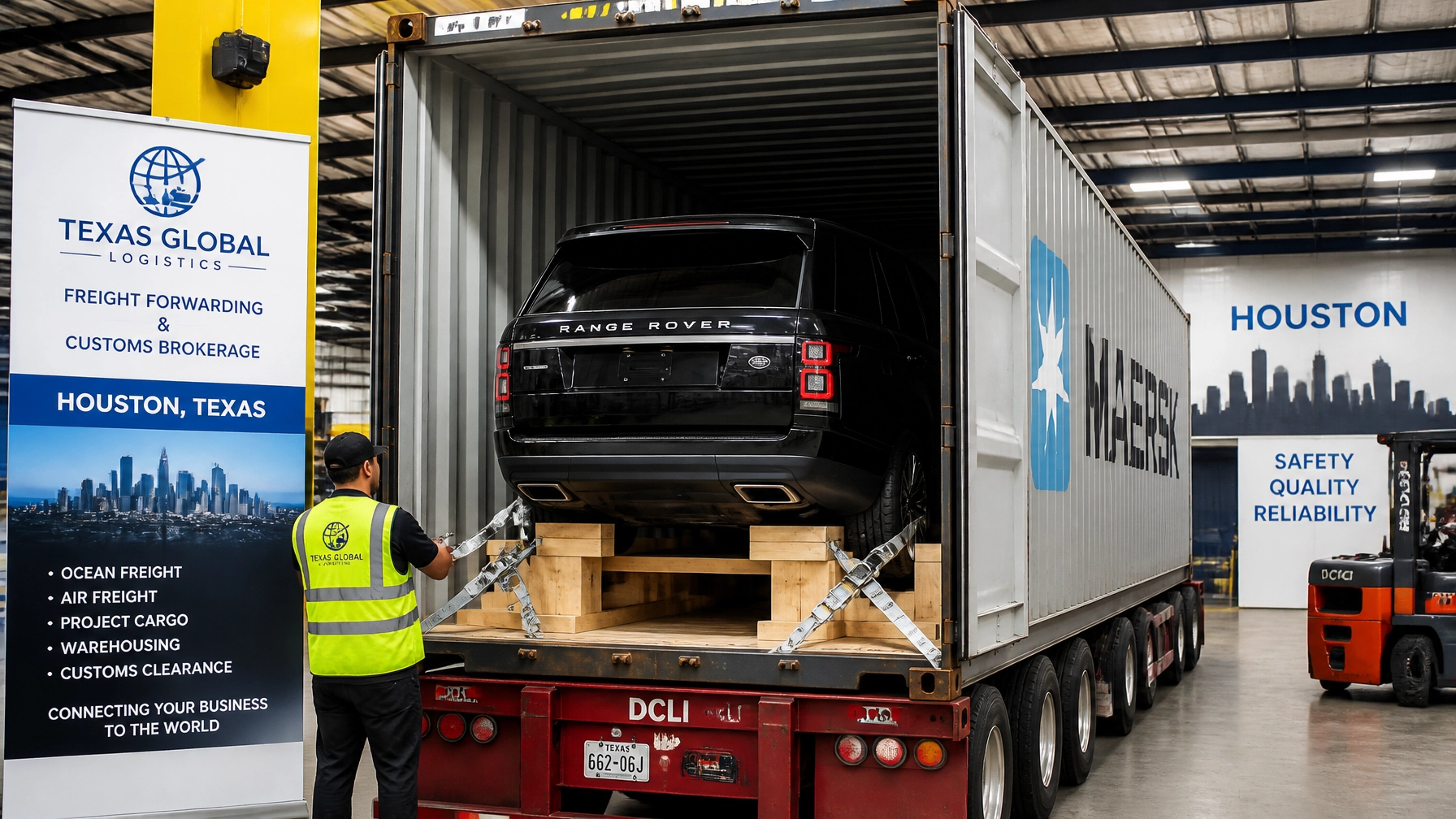
PSI Global Logistics manages the connected logistics workflow from pickup through final delivery, combining freight forwarding, documentation coordination, shipment visibility, and inland transportation. The goal is simple: fewer disconnected handoffs, cleaner paperwork, clearer updates, and faster action when conditions change.
PSI supports:
- Ocean freight for containers, inventory, machinery, and commercial cargo
- Air freight for urgent, high-value, or time-sensitive shipments
- Express freight for rapid international courier requirements
- Procurement and inventory management
- Heavy machinery and project cargo coordination
- Door-to-door pickup and delivery
- Documentation and customs-clearance coordination
- Real-time shipment tracking
- Complimentary Houston air cargo pickup for qualifying shipments
Reliable door-to-door pickup is a core operational strength. PSI coordinates the movement from the supplier or Houston pickup point to the final receiving address, including the transport stages between port release and delivery.
Efficient logistics workflows and streamlined documentation processes remain the primary differentiators. Exceptional customer support adds another layer of confidence when a shipment involves strict deadlines, complex cargo, or multiple parties.

What should shippers do this week to manage congestion?
Shippers should review every open booking, identify cargo exposed to congested ports, confirm documentation readiness, and classify shipments by urgency. This creates a practical decision framework: keep standard cargo on ocean service, reroute where justified, consolidate compatible freight, and move critical items by air when the deadline requires it.
Use this immediate checklist:
- Review shipments scheduled through Shanghai, Ningbo, Northern Europe, Jebel Ali, and other affected hubs.
- Add realistic schedule protection to inventory and customer commitments.
- Confirm Form M, PAAR, invoices, packing lists, and certificates for Nigeria-bound cargo.
- Check whether multiple small shipments can be consolidated.
- Activate live tracking and define escalation triggers.
- Identify production-critical or deadline-sensitive cargo.
- Request an air-freight comparison before the ocean shipment becomes urgent.
- Coordinate pickup, customs, trucking, and final delivery as one door-to-door plan.
The companies best positioned for the current market are not those hoping congestion disappears. They are the businesses making earlier decisions, preparing stronger documents, and keeping multiple transport options available.
Frequently Asked Questions
Global port congestion is manageable when shippers combine early booking, accurate documentation, cargo visibility, consolidation, and contingency planning. PSI Global Logistics supports these steps through ocean freight, air freight, door-to-door pickup, documentation coordination, live tracking, and final delivery planning for international business cargo and Nigeria-bound shipments.
How much containership capacity is waiting in queues in September 2026?
More than 4 million TEU of containership capacity is waiting in queues globally in September 2026. This exceeds the approximately 4 million TEU pandemic-era congestion peak recorded in 2022 in absolute capacity terms.
What is causing the 2026 port congestion?
The principal causes are typhoon closures at Shanghai and Ningbo, industrial action in Northern Europe, vessel bunching, route diversions caused by Middle Eastern disruption, and high terminal utilization. These factors are occurring across multiple regions at the same time.
Which international seaport is ranked number one in 2026?
Shanghai remains the world’s busiest container port in the 2026 H1 rankings, handling approximately 28.7 million TEU. Ningbo-Zhoushan overtakes Singapore for second place, while China holds six of the top ten positions.
Why did Jebel Ali fall to number 32?
Jebel Ali falls to number 32 because disruption around the Strait of Hormuz and the wider Middle East causes carriers to divert cargo and redesign routes. The resulting decline in Gulf traffic significantly reduces the port’s ranking.
How can businesses reduce delays at Apapa?
Businesses can reduce avoidable Apapa delays by preparing Form M, PAAR, invoices, packing lists, Bills of Lading, permits, and cargo classifications before arrival. Consistent descriptions, values, weights, quantities, and consignee details also support smoother processing.
How fast is Houston-to-Lagos air freight?
PSI Global Logistics can provide Houston-to-Lagos air freight in approximately 5–7 working days door-to-door for eligible shipments, subject to cargo details, routing, documentation, customs processing, and final delivery conditions.
How can I contact PSI Global Logistics?
Contact PSI Global Logistics at 713-589-2925 or visit 8718 WESTPARK DR, HOUSTON, TX 77063. You can also begin planning through the PSI shipping page.








Leave A Comment