
📍 8718 Westpark Dr, Houston, TX 77063 | 📞 +1 (713) 589-2925
So, you've finally sourced that perfect shipment: maybe it's industrial equipment for your Lagos factory, medical supplies for a clinic in Abuja, or personal goods you're sending to family back home. You've compared rates, booked your air freight services or ocean freight services, and you're ready to go. But here's the thing: your shipment's journey doesn't end when it leaves Houston. In fact, the most nerve-wracking part is often what happens when it arrives at Nigeria customs.
It goes without saying that clearing customs in Nigeria can feel like navigating a maze blindfolded. Every year, countless importers lose thousands of dollars: not because their goods were illegal or restricted, but because of avoidable paperwork errors and oversights. The good news? With a little preparation and the right logistics partner, you can sidestep these pitfalls entirely.
Let's break down the five costliest mistakes we see importers make: and more importantly, how you can avoid them today.
Mistake #1: Using Incorrect or Vague HS Codes
Here's a scenario that plays out more often than you'd think: an importer classifies their goods under the wrong Harmonized System (HS) code, thinking it won't matter much. But either way, Nigeria Customs doesn't see it that way.
Why does this matter?
HS codes determine everything: your duty rates, whether your goods require special permits, and even if they're allowed into the country at all. Using an incorrect code can trigger:
- Overpayment of duties (and good luck getting that refund)
- Underpayment penalties that can exceed the original duty owed
- Seizure of goods for suspected fraud or misclassification
- Weeks of delays while customs agents investigate
What's more, Nigeria Customs has significantly modernized its systems in recent years. The Nigeria Customs Integrated System (NICIS II) cross-references declarations with international databases. Vague or "creative" classifications get flagged almost instantly.
The fix: Work with a freight forwarder experienced in international shipping to Nigeria. At PSI Global Logistics, we verify HS codes before your shipment ever leaves our Houston warehouse: saving you from nasty surprises at the port.
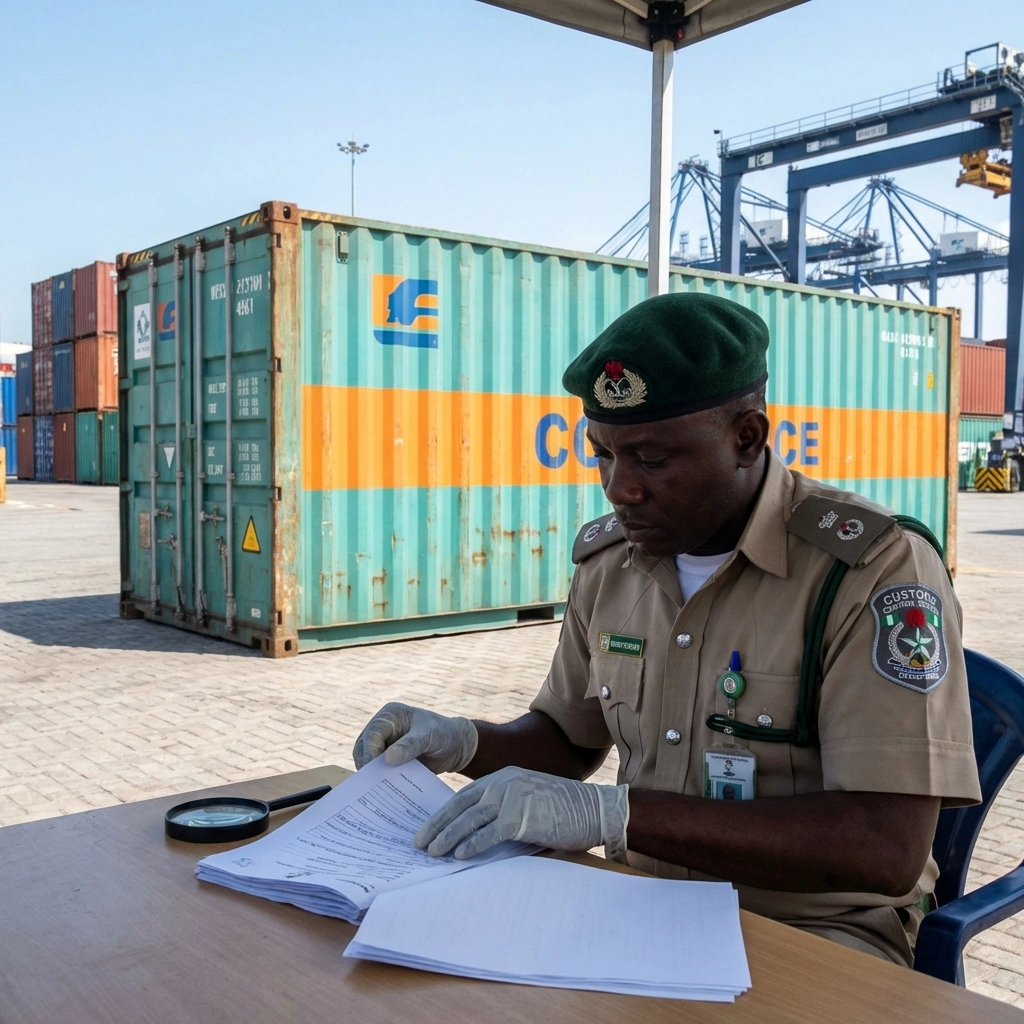
Mistake #2: Missing or Incomplete Form M
If there's one document that trips up first-time importers to Nigeria, it's the elusive Form M. This is the mandatory import declaration form required by the Central Bank of Nigeria for all commercial shipments.
Here's what catches people off guard:
- Form M must be obtained before your goods ship, not after
- It requires a valid Pro Forma Invoice from your supplier
- Certain product categories need additional approvals from agencies like NAFDAC or SON
- The form has an expiration date: typically 180 days
Miss this step, and your container sits at the port accumulating demurrage fees while you scramble to process paperwork from thousands of miles away. We've seen storage charges alone eat up $2,000–$5,000 in a matter of weeks. Why? Because ports don't wait, and neither do their billing departments.
The fix: Start your Form M application the moment you confirm your purchase order. Better yet, partner with a logistics company that understands Nigeria customs requirements inside and out. We guide our clients through this process before the first box is packed.
Mistake #3: Poor Packaging and Labeling
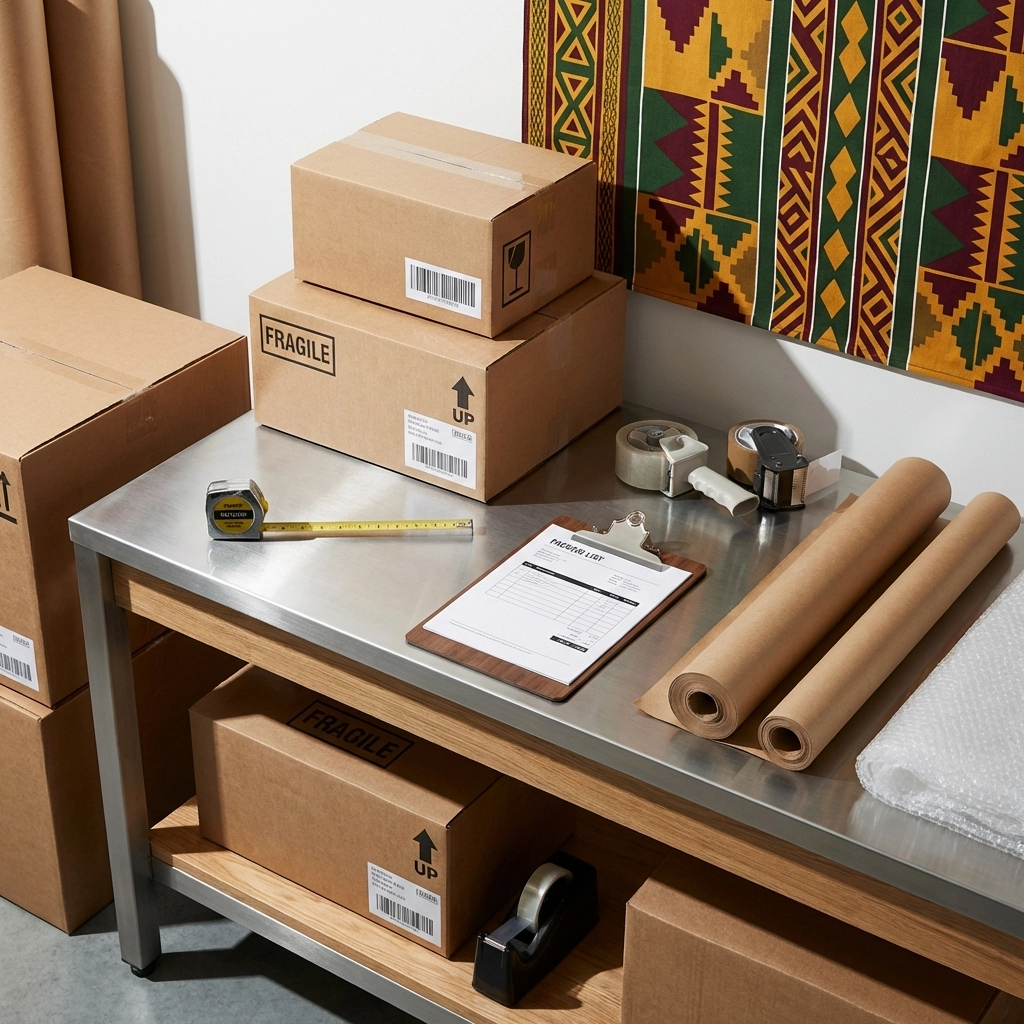
This one might seem basic, but you'd be surprised how often it derails shipments. Customs inspectors in Nigeria are thorough: and they have every right to be. Unclear labeling, damaged packaging, or mismatched descriptions between your documents and actual goods raise immediate red flags.
Common packaging and labeling errors include:
- Labels that don't match the commercial invoice descriptions
- Missing country of origin markings
- Illegible or weathered shipping marks on ocean freight containers
- Mixing different product types in one package without proper itemization
When inspectors can't verify what's inside a shipment, they open it. Manual inspections mean delays, additional handling fees, and potential damage to your goods. In some cases, suspicious packaging leads to outright detention.
The fix: Ensure every package is clearly labeled with contents, quantity, weight, and country of origin. Your packing list should mirror your commercial invoice exactly. For clients using our air freight services or ocean freight services, we conduct pre-shipment inspections at our Houston facility to catch these issues early.
Mistake #4: Submitting Documentation Late or Incorrectly
Timing is everything in international shipping. Nigeria operates a pre-arrival processing system, meaning your documentation should ideally clear before your vessel or aircraft touches down. Late submissions create a domino effect of problems.
What happens when documents arrive late:
- Your goods get flagged for "document pending" status
- Demurrage and storage fees start accumulating immediately
- Customs brokers charge rush processing fees
- In peak seasons, backlogs can extend delays by weeks
Additionally, documents with errors: misspelled names, incorrect values, mismatched quantities: get rejected and sent back for correction. Each revision cycle costs you precious time.
Key documents to have ready:
- Commercial Invoice
- Packing List
- Bill of Lading or Airway Bill
- Form M (for commercial shipments)
- Certificate of Origin
- Insurance Certificate
- Pre-Arrival Assessment Report (PAAR)
The fix: Build a documentation checklist and start gathering paperwork the moment your purchase order is confirmed. At PSI Global Logistics, we handle document preparation and submission as part of our end-to-end service: so you're never caught off guard.
Mistake #5: Ignoring Port-Specific Regulations and Requirements
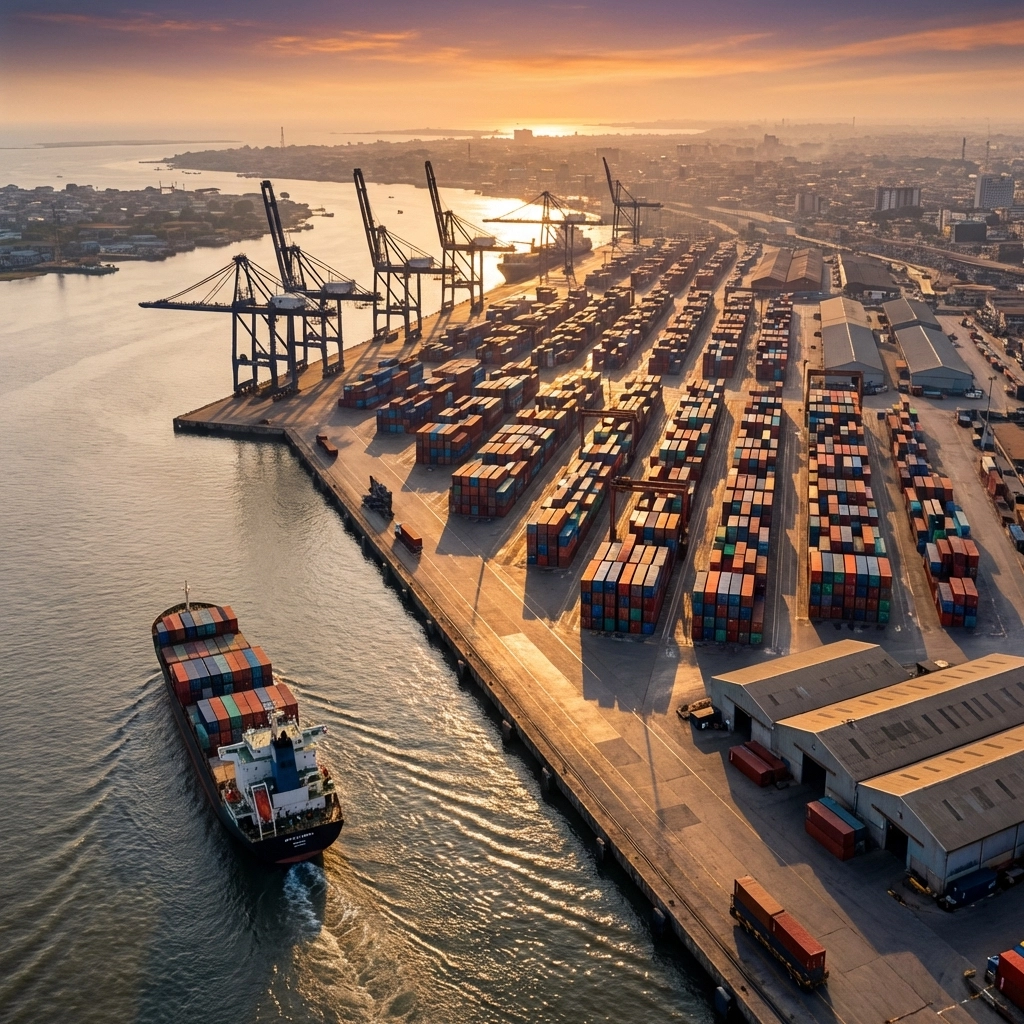
Here's something that surprises many first-time shippers: not all Nigerian ports operate the same way. Apapa, Tin Can Island, Onne, and other entry points each have their own quirks, congestion patterns, and unofficial "best practices."
Port-specific factors to consider:
- Apapa Port handles the highest volume: great infrastructure, but notorious congestion and longer clearance times
- Tin Can Island is often faster for containerized cargo but has specific terminal requirements
- Onne Port in Rivers State may offer quicker turnaround for certain cargo types headed to the East
- Some ports have stricter inspection protocols for specific product categories
Choosing the wrong port for your cargo type: or failing to account for port congestion during peak periods: can add days or even weeks to your delivery timeline. It will certainly be an interesting development to watch as Nigeria continues expanding port capacity, but for now, strategic port selection matters.
The fix: Don't just default to the most popular port. Consult with your freight forwarder about the best entry point for your specific shipment. Our team monitors port conditions in real-time and routes your cargo for optimal clearance speed.
How PSI Global Logistics Keeps You Clear of Customs Headaches
At this point, you might be thinking: "This sounds like a lot to manage." And honestly? It is: if you're going it alone.
That's exactly why we exist. PSI Global Logistics specializes in international shipping between Houston and Nigeria, with deep expertise in both air freight services and ocean freight services. We don't just move boxes; we shepherd your shipment through every checkpoint, document submission, and customs procedure.
What sets us apart:
- Pre-shipment verification of HS codes and documentation
- Form M guidance and application support
- Real-time tracking and proactive communication
- Strategic port selection based on your cargo and timeline
- FREE pickup in Houston for air freight shipments 13 lbs and over
Whether you're shipping commercial inventory or personal belongings, we take the complexity off your plate. You can learn more about why clients choose PSI or explore our full range of services.
Ready to Ship Without the Stress?
Navigating Nigeria customs doesn't have to drain your wallet or your patience. By avoiding these five common mistakes: and partnering with a team that knows the ins and outs of the process: you can get your goods cleared faster, cheaper, and with far less headache.
Have questions about your next shipment? We're here to help.
📍 Visit us: 8718 Westpark Dr, Houston, TX 77063
📞 Call us: +1 (713) 589-2925
🌐 Online: Contact PSI Global Logistics
Let's get your cargo moving: the right way. 🇳🇬📦✈️







Leave A Comment