
PSI GLOBAL LOGISTICS
8718 WESTPARK DR, HOUSTON, TX 77063
CONTACT: +1 713-589-3310, +1 832-724-5264
EMAIL: INFO@PSISHIPPING.COM
In the blink of an eye, it seems the entire world has migrated to the cloud, and here we are in March 2026, navigating a landscape where connectivity is as essential as oxygen. It’s been another fast and busy year for the tech sector, and if you’re reading this, you’ve likely realized that getting a 5G base station or a rack of high-end servers from point A to point B is significantly more complicated than shipping a pair of sneakers.
Telecommunications logistics is a beast of its own. It’s a high-stakes game where "oops" isn't in the vocabulary. Whether you are launching a new satellite internet array or upgrading a nation’s fiber-optic backbone, the logistics behind global tech deployments require a level of precision that would make a watchmaker sweat. At PSI Global Logistics, we’ve seen the industry evolve rapidly, and we’ve learned that the difference between a successful rollout and a million-dollar delay often comes down to the details of the supply chain.
So, without further adieu, let’s dive into the fundamentals of mastering telecommunications logistics.
The Complex World of Telecom Logistics: More Than Just Moving Boxes
When we talk about telecommunications logistics, we aren't just talking about transportation. We are talking about orchestration. In the telecom world, a single service order can involve multiple moving parts, literally. You have the physical hardware (routers, switches, cabling), the digital provisioning, and the human element (technicians on the ground).
Why is this so complex? Because telecom equipment is often high-value, incredibly sensitive, and subject to strict regulatory oversight. If a specialized server is jarred too hard during transit, you don’t just lose the cost of the hardware; you lose the weeks of lead time it takes to replace it and the potential revenue from the delayed service activation.
The Unique Challenges of Global Tech Deployments
If you are new to the world of international shipping for tech, please accept apologies in advance for the learning curve you’re about to hit. It is steep. Here are the primary hurdles that keep logistics managers up at night:
1. High-Value and Sensitive Cargo
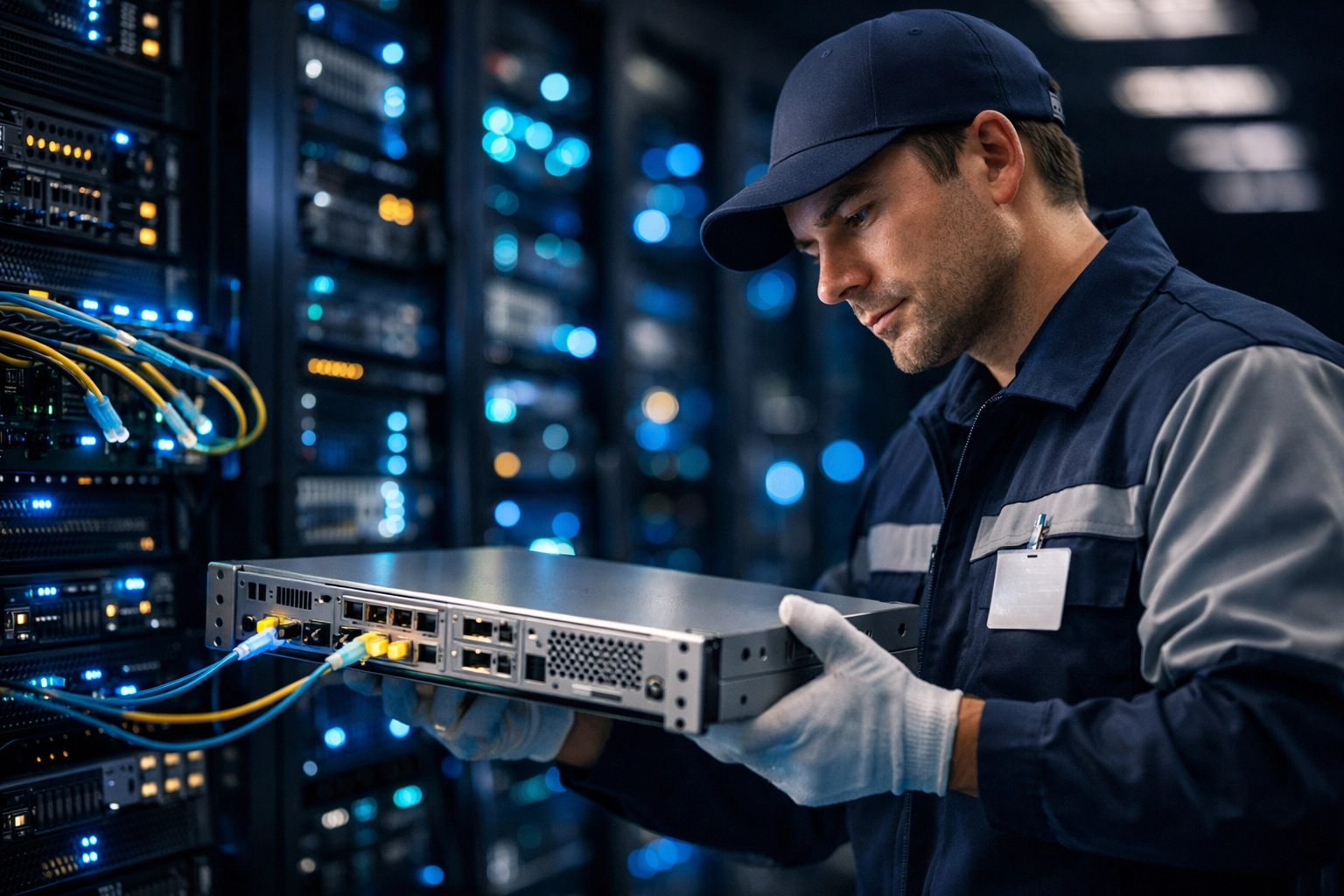
The equipment used in global tech deployments isn't just expensive; it’s fragile. We are talking about components that are sensitive to static, temperature, and vibration. Specialized handling isn't a luxury; it’s a requirement. This often means using shock-absorbent packaging and climate-controlled environments.
2. Tight Timelines and Service Level Agreements (SLAs)
In telecom, time is literally money. Most deployments are tied to strict SLAs. If the hardware isn't on-site when the technicians arrive, you’re paying for idle labor. Worse, if a network goes down and the replacement parts are stuck in customs, the "lost revenue" clock starts ticking loudly. As we’ve noted in our look at air freight vs. ocean freight, while ocean freight is great for budget stability, the "clock" often demands the speed of air.
3. Security Risks
High-value tech is a prime target for theft and transit loss. Mastering telecommunications logistics requires a "security-first" mindset. This includes GPS tracking, sealed containers, and choosing 3PL services that have a proven track record of secure chain-of-custody protocols.
4. Regulatory and Customs Compliance
Shipping tech across borders is a geopolitical puzzle. Different countries have different rules regarding encryption technology, dual-use equipment, and e-waste. Missing one piece of paperwork can lead to a shipment being seized or delayed indefinitely. It will certainly be an interesting development to watch how these regulations continue to shift as global trade tensions fluctuate.
How to Master the Deployment Process
To successfully manage global tech deployments, you need to break the process down into manageable stages. It's not just about the "ship" button; it's about the entire lifecycle of the order.
Order Capture and Orchestration
Before a single crate moves, the order must be validated. Is the equipment compatible with the local infrastructure? Is the service available in that region? In the telecom space, orders are often "decomposed": meaning a large project is broken into smaller, actionable steps that can be tracked in parallel. For example, while the heavy hardware moves via ocean, the critical small components might move via air to ensure they arrive exactly when needed for the first phase of installation.
Fulfillment and White-Glove Delivery
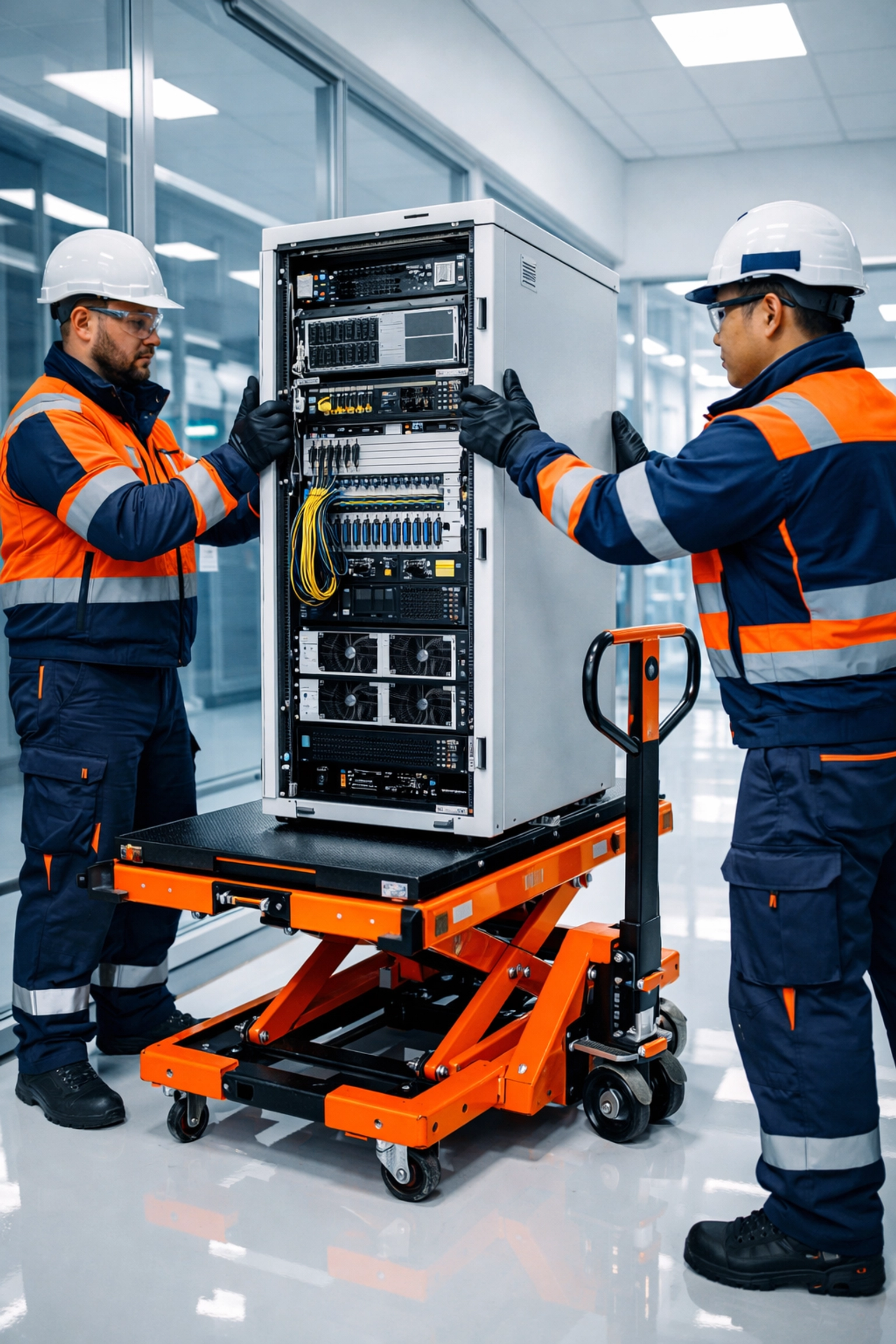
Standard delivery isn't enough for telecom. You often need "white-glove" service, where the logistics provider doesn't just drop the pallet at a loading dock but brings it into the data center or up to the rooftop. This requires specialized equipment and trained personnel who understand the value of what they are carrying.
Why 3PL Services Are the Secret Weapon for Tech Companies
Many tech companies try to handle their own logistics internally, only to realize that the overhead is staggering. This is where 3PL services (Third-Party Logistics) come into play. A specialized partner like PSI Global Logistics provides the infrastructure that a tech company shouldn't have to build from scratch.
What does a 3PL bring to the table?
- Scalability: You can ramp up deployments in Europe one month and Southeast Asia the next without needing to hire local logistics teams in every region.
- Visibility: Through advanced tracking and order management systems, you get real-time data on where your assets are.
- Cost Management: By leveraging the volume of a 3PL, you often get better rates on international shipping than you could negotiate on your own.
Additionally, we pride ourselves on our transparency in a volatile market. In the tech world, budgets are tight, and "hidden fees" are the last thing a project manager wants to explain to the CFO.
Strategic Shipping: Air or Ocean?
Choosing the right mode of transport is a critical decision in telecommunications logistics.
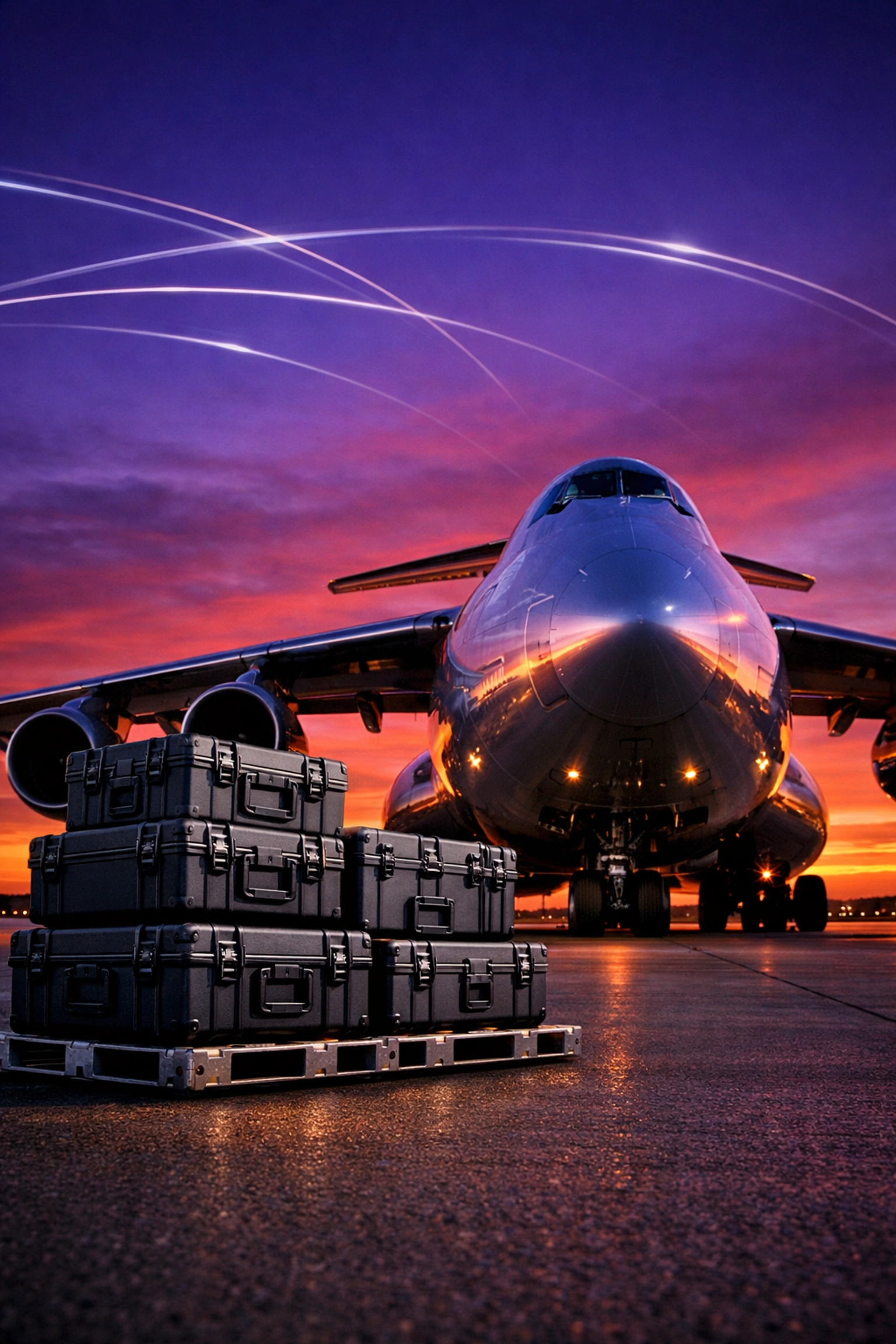
- Choose Air Freight if: Your equipment is high-value, low-volume, or your project is on a hair-trigger timeline. If your shipment is under 150 kg, air freight can actually start to compete on price when you factor in the reduced insurance and inventory holding costs.
- Choose Ocean Freight if: You are moving massive amounts of cabling or large-scale infrastructure where the timeline allows for a 30-day transit. It’s the budget-friendly choice for consistent, non-urgent replenishment.
The PSI Global Logistics Advantage
At PSI Global Logistics, we don't just ship boxes; we provide tailored supply chain solutions designed specifically for the tech and telecom sectors. We understand that a global tech deployment is a high-wire act. Our team is equipped to handle the specialized packaging, the complex customs documentation, and the rigorous security requirements that your equipment demands.
We believe in honest logistics that works. Whether you're a startup deploying your first set of servers or a multinational telecom giant, we treat every shipment with the same level of professional urgency.
Looking Ahead: The Future of Tech Logistics
As we look toward the rest of 2026 and beyond, we expect to see even more integration between AI and logistics. Predictive analytics will help us anticipate port congestion before it happens, and automated "exception handling" will allow us to resolve delays before the customer even knows there’s a problem.
How will these advancements be funded and implemented? Stay tuned: it will certainly be an interesting development to watch. To be sure, the world of telecommunications will only get faster, and your logistics partner needs to keep pace.
Mastering global tech deployments is a journey, not a destination. It requires constant learning, a bit of professional optimism, and the right partners by your side. If you're ready to take the headache out of your next deployment, reach out to us. Let's get your tech moving.
It goes without saying that every project has its own unique quirks, and while we’ve covered the basics here, there’s always more to the story. If we missed a specific challenge you're facing, let us know! We're here to help you navigate the complexities of the global supply chain.








Leave A Comment