
ADDRESS: 8718 WESTPARK DR, HOUSTON, TX 77063, USA
PHONE: +1 713-589-2925
EMAIL: INFO@PSISHIPPING.COM
WEBSITE: PSISHIPPING.COM
In the blink of an eye, here we are at the end of February 2026. It feels like just yesterday we were navigating the post-pandemic shipping chaos, yet the logistics world refuses to slow down. If you’re a business owner or a supply chain manager, you’re likely staring at your 2026 budget right now, scratching your head over one of the oldest debates in the industry: Should I ship by air or by sea?
It’s a classic tug-of-war. On one side, you have the "need it yesterday" urgency of air freight, and on the other, the "slow and steady wins the race" cost-efficiency of ocean freight. But in 2026, the answer isn’t as black and white as it used to be. Global trade routes have shifted, fuel surcharges are doing their own thing, and "transparency" is the new buzzword (one we take very seriously at PSI Global Logistics).
So, without further adieu, let’s dive into the nitty-gritty of which shipping method actually wins for your wallet this year.
The Cold, Hard Numbers: A Cost Reality Check
Please accept apologies in advance if I get a bit too excited about spreadsheets, but the numbers really do tell the story. To be sure, ocean freight almost always wins on the sticker price. If you’re moving heavy, bulky items, the gap is massive.
Let’s look at a real-world example. Imagine you’re shipping 120 kg of electronics. By air, you’re looking at a bill somewhere between $750 and $1,050. Now, if you pivot to Less than Container Load (LCL) sea freight for that same shipment, the price drops to a measly $120–$160. That is a staggering difference.
Why is it so lopsided? It all comes down to how these carriers charge you. Air freight is obsessed with "chargeable weight." They look at both the actual weight and the volumetric weight (how much space it takes up), and they charge you for whichever is higher. If your cargo is bulky but light, think pillows or plastic components, air freight becomes eye-wateringly expensive. Ocean freight, conversely, is much more concerned with volume or flat container rates.
When Ocean Freight Loses (The "Hidden" Budget Killers)
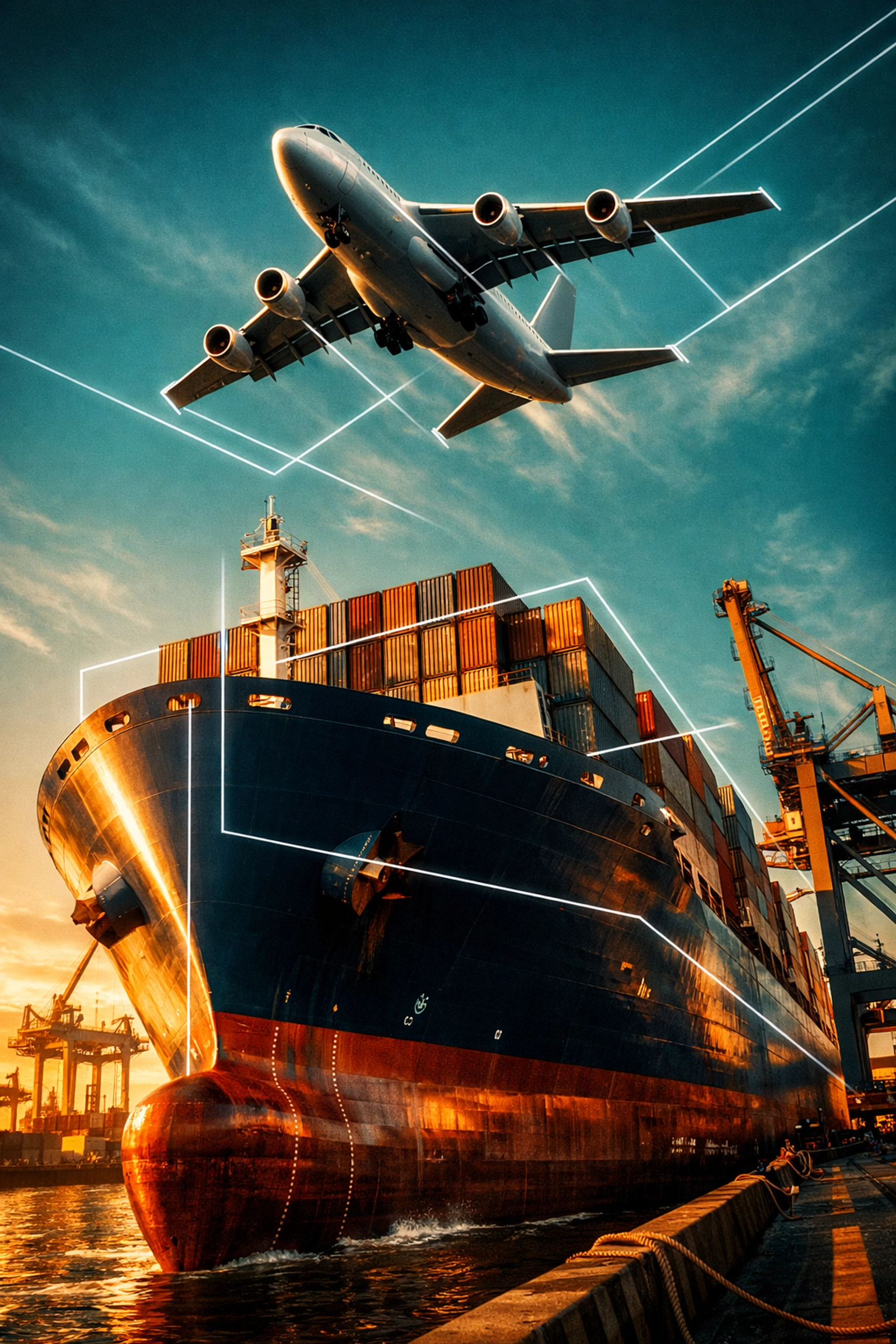
At least in my opinion, just looking at the freight rate is a rookie mistake. Ocean freight is cheap, yes, but it’s slow. We’re talking 2 to 8 weeks versus 1 to 5 days for air. This creates what I like to call "hidden" budget killers.
Think about it:
- Inventory Holding Costs: While your goods are bobbing around on the Atlantic or Pacific, your capital is tied up. You can’t sell what hasn’t arrived.
- Delayed Sales Cycles: If you miss a seasonal peak because a ship was delayed, the "cheap" ocean freight suddenly costs you a fortune in lost revenue.
- Port Congestion: Even in 2026, we still see bottlenecks. Port storage fees (demurrage and detention) can rack up faster than a speeding bullet if your goods get stuck.
What’s more, air freight often requires less heavy-duty packaging than sea freight, which can save you a few bucks on materials and labor. It's a bit of a trade-off, isn't it?
The 150kg "Sweet Spot"
How will your shipping strategy be funded? Stay tuned, because this is where it gets interesting. There is a specific threshold where the decision becomes a bit more nuanced: the 150 kg mark.
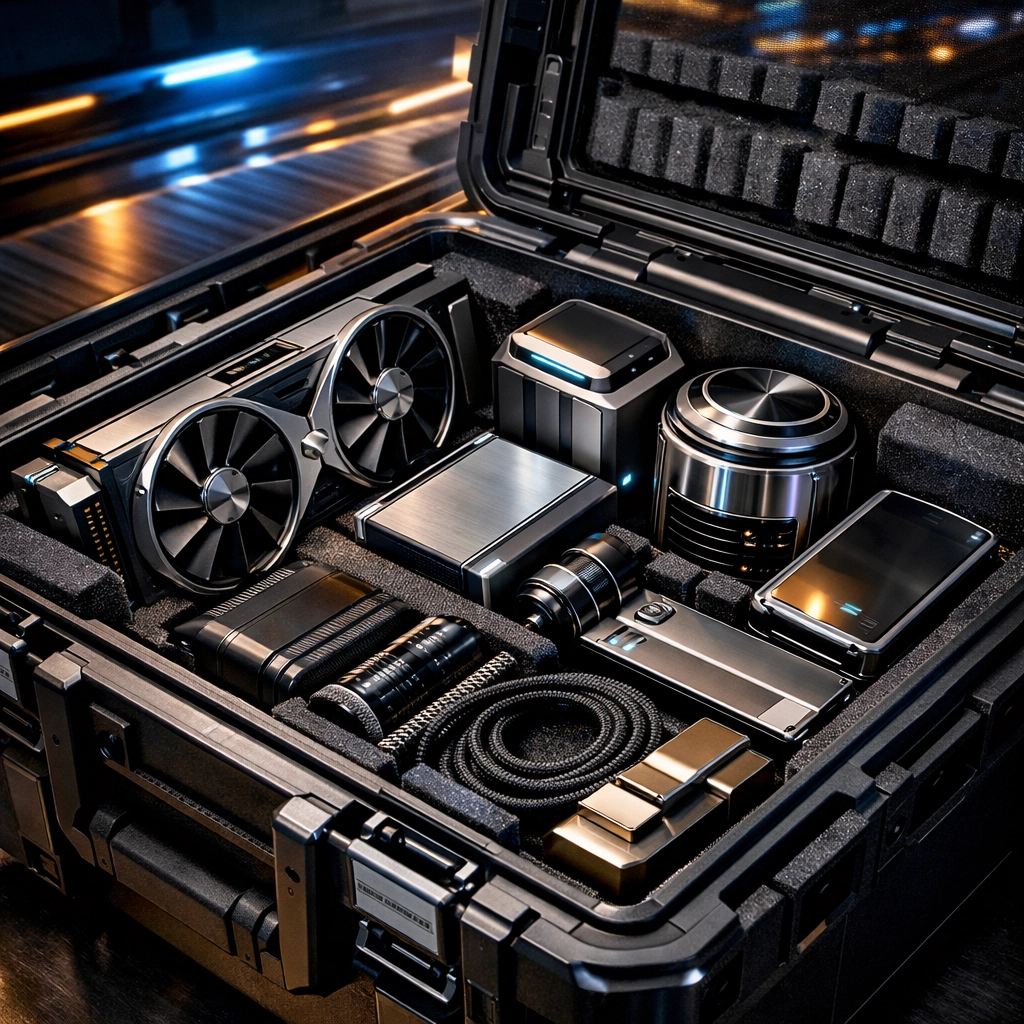
If your shipment is under 150 kg and is relatively dense (small and heavy), air freight can actually start to compete. When you factor in the reduced insurance premiums for air cargo (because the transit time is shorter, the risk of damage or theft is lower) and the faster turnaround, the "premium" for air might only be a few hundred dollars. In a fast-moving market like Retail or Telecommunications, that’s a price many are willing to pay.
But once you cross that 150 kg line, or if your shipment is bulky, the cost gap widens dramatically. For those moving massive volumes, Full Container Load (FCL) rates in 2026 are hovering around $3,800–$6,800 per 40ft container depending on the route. You simply cannot beat those economics with a plane.
2026 Market Outlook: What’s Different Now?
It has been another fast and busy year for the global economy, and the 2026 rate outlook suggests some much-needed stability. Ocean rates are expected to remain "range-bound." This means we aren’t seeing the wild $20,000 container spikes of years past, but we also aren't seeing bottom-of-the-barrel pricing either.
This stability favors ocean freight for consistent, long-term planning. You can actually build a budget and stick to it. Air freight, however, remains a bit more volatile due to its sensitivity to jet fuel prices and seasonal demand spikes (like the release of a new tech gadget).
At PSI Global Logistics, we always tell our clients to look at Customized Solutions. Sometimes the answer isn't "Air" or "Sea," but a bit of both: shipping your core inventory by sea and using air for "top-offs" to meet sudden demand.
Why Transparency Matters (Now More Than Ever)
It goes without saying that no matter which method you choose, "hidden fees" are the enemy of any budget. We’ve all been there: you get a quote that looks great, only to be hit with "fuel adjustment factors," "security surcharges," and "documentation fees" later.
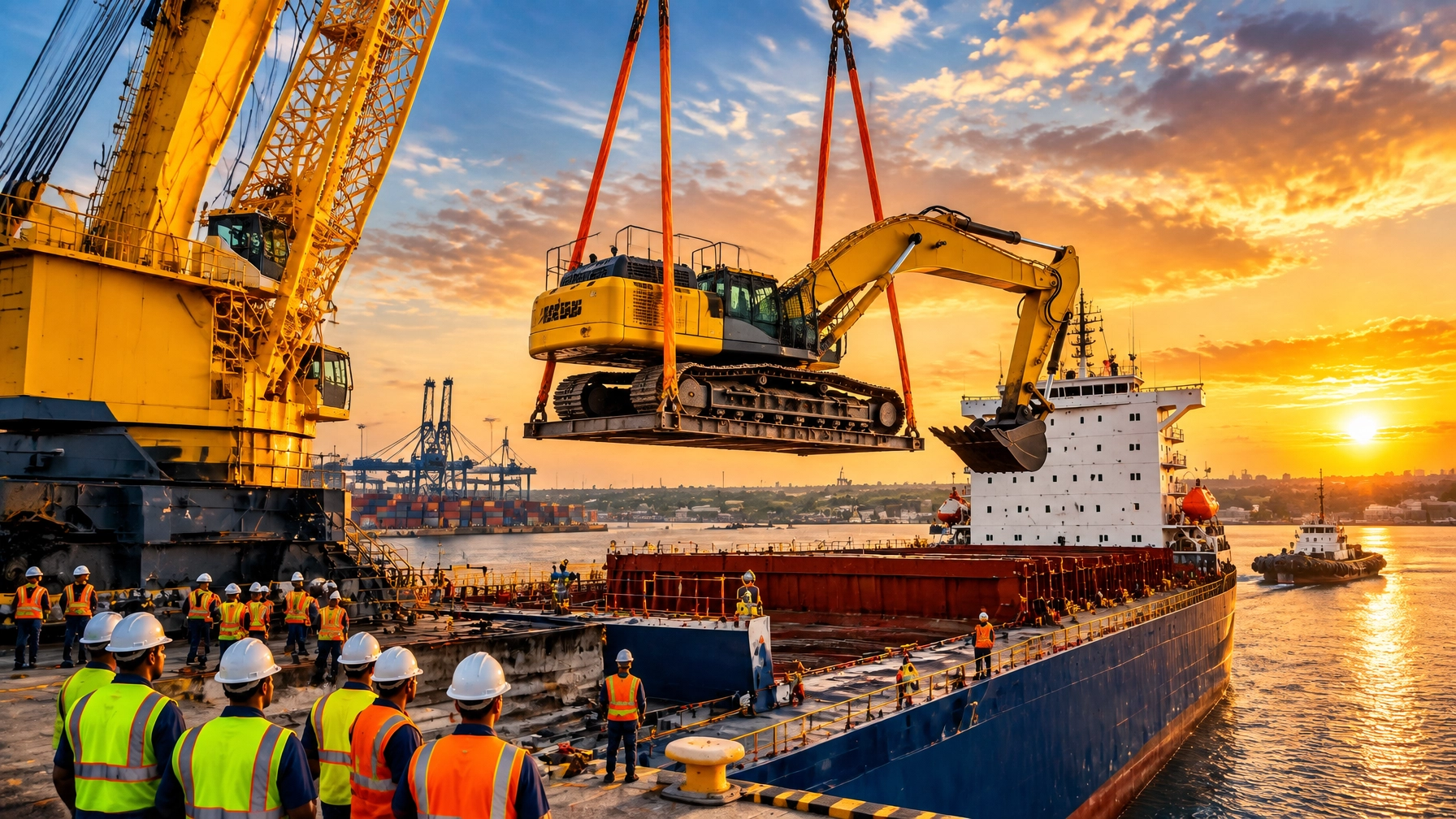
That’s why we’ve leaned so heavily into our No Hidden Fees Policy. Whether you’re shipping Oil and Gas equipment or Automotive parts, you deserve to know exactly what you’re paying for. In a volatile market, honest logistics is the only way to keep your 2026 budget from blowing up.
Decision Matrix: Which One Should You Choose?
Still undecided? Let’s break it down into a quick cheat sheet:
- Choose Ocean Freight if: Your shipment is over 150 kg, you have a flexible timeline (4+ weeks), or you are moving bulk industrial goods for Construction.
- Choose Air Freight if: Your shipment is under 150 kg and dense, you’re dealing with perishables or high-value electronics, or the cost of a delay exceeds the cost of the freight.
- Choose Air Charter if: You have an absolute emergency or oversized cargo that needs to move halfway across the world tomorrow.
Final Thoughts: A Professional Optimism
As we navigate the rest of 2026, it will certainly be an interesting development to watch how technology further bridges the gap between these two modes. With instant live tracking, the anxiety of "where is my ship?" is largely a thing of the past, making ocean freight a much more palatable option for the risk-averse.
To be sure, I might have missed some of the hyper-specific nuances of your particular industry: logistics is, after all, a beast with many heads: but for the general 2026 budget, the old rule still mostly holds: Ocean for the wallet, Air for the clock.
If you’re ready to get a quote that doesn't hide behind fine print, feel free to ship with us today. We’d love to help you figure out the best move for your specific cargo.
ADDRESS: 8718 WESTPARK DR, HOUSTON, TX 77063, USA
PHONE: +1 713-589-2925 | TOLL-FREE: 1-855-663-7447
EMAIL: INFO@PSISHIPPING.COM
WEBSITE: PSISHIPPING.COM

Leave A Comment