
PHONE: 713-589-2925
ADDRESS: 8718 WESTPARK DR, HOUSTON, TX 77063
EMAIL: INFO@PSISHIPPING.COM
Here's the thing about ocean freight: one wrong container choice can cost you thousands of dollars and weeks of delays. It's not dramatic, it's just the reality of global logistics. Whether you're shipping construction equipment to Lagos or retail inventory across the Atlantic, understanding container types and sizes isn't optional. It's survival.
At PSI Global Logistics, we've seen it all. Clients cramming oversized cargo into undersized containers. Businesses paying for massive 40-footers when a 20-foot would've done the job perfectly. And don't even get me started on the nightmare of trying to correct these mistakes mid-shipment.
So let's break this down in plain English. No jargon overload, no confusing charts (okay, maybe one helpful visual). Just the straight truth about container sizes and how to pick the right one for your freight.
Why Container Size Actually Matters More Than You Think
Look, choosing a shipping container isn't like picking a storage unit where "close enough" works fine. Ocean freight operates on precise calculations involving weight distribution, cubic capacity, and cost per unit. Get it wrong, and you're either wasting money on unused space or facing costly cargo redistribution at the port.
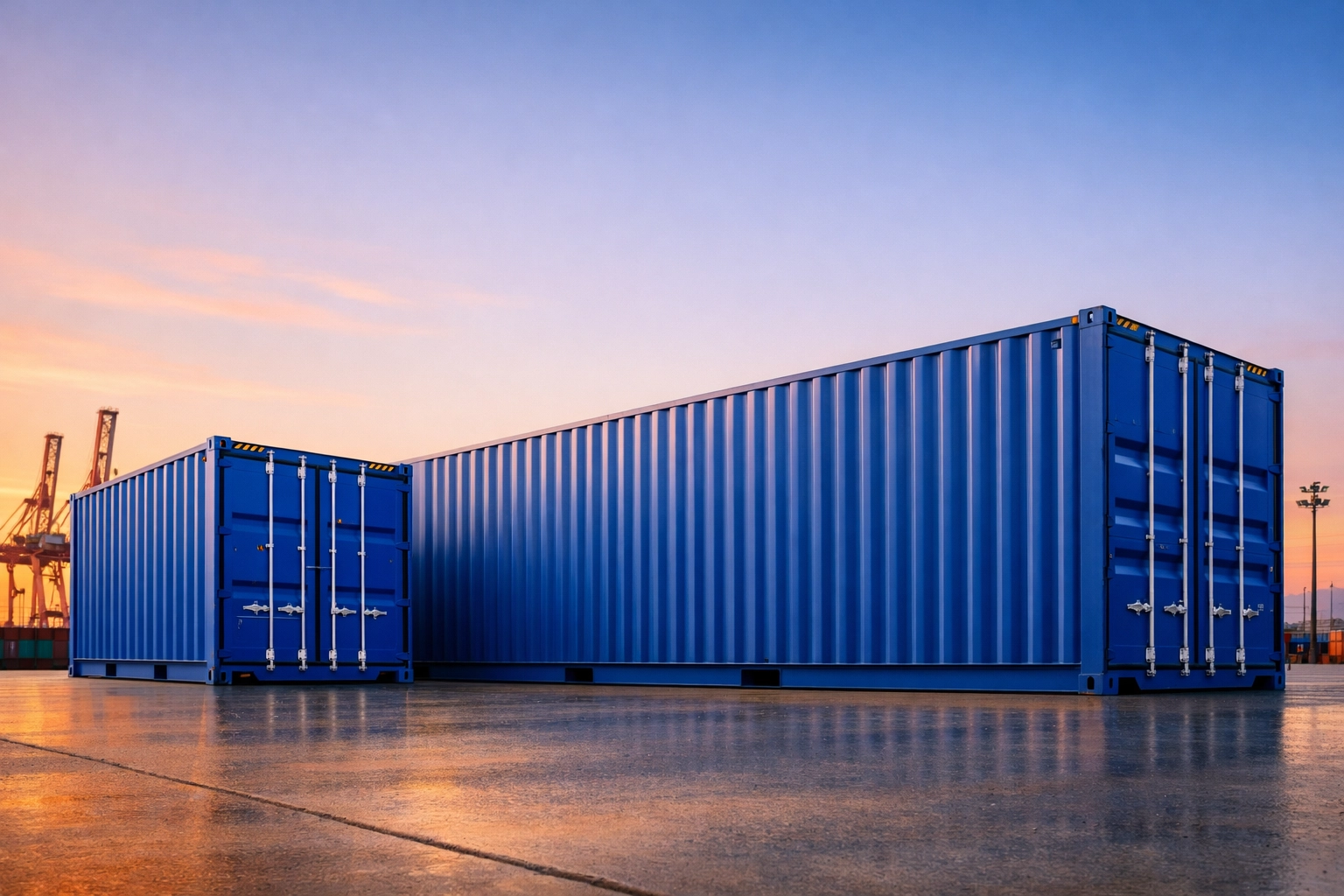
The math is simple: shipping lines charge by container, not by how much of that container you actually fill. If you book a 40-foot container for cargo that fits comfortably in a 20-footer, you've just doubled your freight costs for no reason. On the flip side, trying to squeeze too much into a smaller container? That's how cargo gets damaged, customs flags your shipment, and delivery dates turn into distant memories.
What's more, different cargo types have different density profiles. Heavy machinery and light furniture don't play by the same rules. Understanding this distinction is what separates smooth shipments from logistical disasters.
The 20-Foot Container: Small but Mighty
Let's start with the workhorse of international shipping, the 20-foot standard container. At PSI Global Logistics, this is one of our two primary container offerings, and for good reason.
The Specs:
- External dimensions: 20' L × 8' W × 8'6" H
- Internal volume: Approximately 1,170 cubic feet
- Maximum payload: Around 28,200 kg (depending on specific container and shipping line regulations)
The 20-footer is your go-to choice for dense, heavy cargo. Think industrial machinery, metal components, automotive parts, construction materials, or bulk goods like minerals and grains. Why? Because the structural integrity of a smaller container handles concentrated weight better than its longer cousins.
Here's a real-world example: One of our clients in the oil and gas sector needed to ship drilling equipment from Houston to Port Harcourt. The cargo was compact but incredibly heavy, perfect 20-foot container territory. A 40-footer would've meant paying for empty air and potentially running into weight distribution issues at the destination port.
The 20-foot container also offers flexibility. It's easier to position on job sites, fits into tighter port spaces, and costs less per unit when you're not maximizing volume. For many businesses, especially those in telecommunications logistics or specialized equipment transport, this size hits the sweet spot.
The 40-Foot Container: When You Need the Space
Now we're talking volume. The 40-foot standard container is PSI's second core offering, and it's designed for a completely different cargo profile.
The Specs:
- External dimensions: 40' L × 8' W × 8'6" H
- Internal volume: Approximately 2,390 cubic feet
- Maximum payload: Around 26,700 kg (note the slightly lower weight limit compared to the 20-footer)
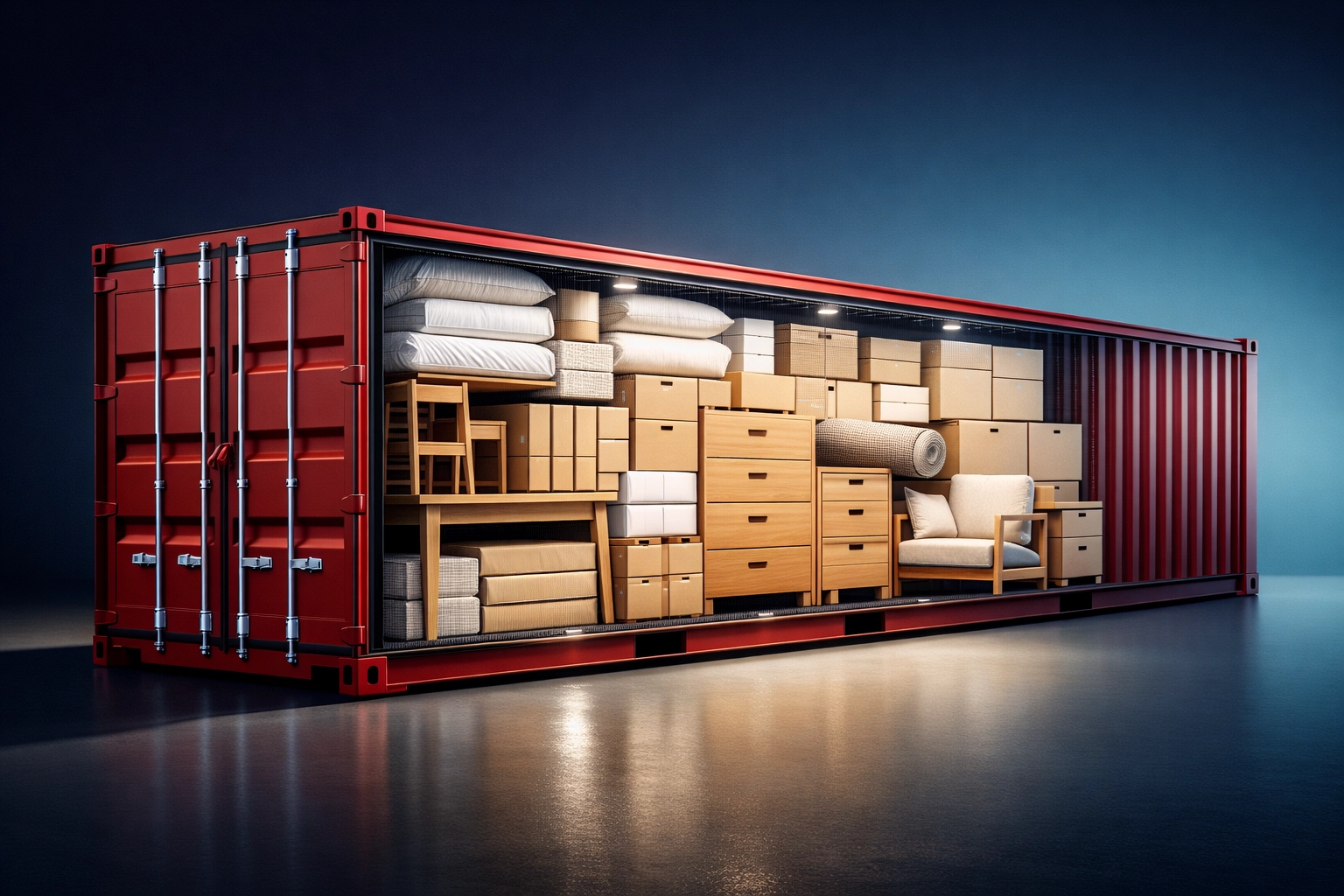
This container excels with lighter, bulkier cargo. Furniture, textiles, packaged consumer goods, retail inventory, paper products, anything where you need cubic feet more than you need weight capacity. The 40-footer effectively doubles your space while keeping your per-cubic-foot shipping costs down.
One of our retail clients ships seasonal inventory from China to Houston quarterly. Clothing, accessories, home goods, low-density items that would leave multiple 20-foot containers half-empty. A single 40-footer consolidates everything, reduces handling complexity, and cuts their ocean freight services costs significantly.
But here's the catch: you need to be strategic. The 40-foot container isn't just a "bigger is better" solution. If your cargo is heavy and dense, you'll hit the maximum payload weight long before you fill the space. That means you're paying for unused volume and potentially creating an unbalanced load, neither of which makes your accountant or your logistics manager happy.
How to Actually Choose the Right Container (Without a Degree in Logistics)
Let's cut through the confusion. Here's the decision framework we use at PSI when consulting with clients:
Step 1: Calculate Your Cargo's Density
Weigh your total shipment and measure its total volume. Divide weight by volume. High density? You're looking at a 20-footer. Low density? The 40-foot container is calling your name.
Step 2: Consider Your Cargo Type
- Machinery, metals, automotive parts → 20-foot container
- Furniture, textiles, packaged goods → 40-foot container
- Mixed cargo → This requires a conversation with your freight forwarder (that's us)
Step 3: Think About Destination Logistics
Where is your cargo going? If you're shipping to locations with infrastructure constraints, like certain West African ports or remote construction sites, the 20-foot container offers better maneuverability. It's easier to transport inland, fits on more vessels, and causes fewer headaches during final delivery.
Step 4: Run the Cost Analysis
Sometimes the cheapest option isn't the smallest container, it's the one that maximizes efficiency. If you're shipping regularly, consolidating multiple smaller shipments into one 40-footer might actually reduce your per-unit costs dramatically.
At PSI, we don't just hand you a container types and sizes pdf and wish you luck. We actually walk through these calculations with you because getting it right the first time saves everyone money, time, and stress.
The Nigeria Connection: Why Local Expertise Changes Everything
Here's where theory meets reality. You can read every container types and sizes pdf on the internet, but nothing replaces boots-on-the-ground experience in your destination market.
Take Nigeria, for example. PSI's West African expertise isn't just a marketing line, it's the secret sauce that turns potential shipping disasters into smooth door-to-door deliveries. We know which ports handle 40-footers efficiently and which ones make life easier with 20-foot containers. We understand customs protocols, infrastructure realities, and the local logistics landscape that can make or break your shipment timeline.
One telecommunications client learned this the hard way before partnering with us. They shipped expensive equipment in a 40-foot container without considering that their final destination had limited crane capacity. The container sat at the port for three extra weeks while they scrambled to arrange specialized handling equipment. Costly mistake? Absolutely. Avoidable with the right freight partner? You bet.
PSI's Ocean Freight Services: Simplified, Not Dumbed Down
At PSI Global Logistics, we offer both 20-foot and 40-foot container options because we understand that one size definitely does not fit all. Our ocean freight services are built around flexibility, transparency, and results.
What's more, we don't just drop your cargo in a container and wave goodbye. Our instant live tracking system means you know exactly where your shipment is at every stage, from Houston's Port to Lagos, Port Harcourt, or wherever your cargo needs to go.
Whether you're in construction, retail, automotive, or telecommunications, we've handled cargo like yours before. We've made the mistakes (so you don't have to), learned the lessons, and built systems that work.
The Bottom Line: Size Really Does Matter
Choosing between a 20-foot and 40-foot container isn't rocket science, but it does require thought. Dense, heavy cargo? Go smaller. Light, bulky goods? Size up. Not sure? That's literally what we're here for.
The costliest mistake in shipping isn't picking the wrong container size once, it's not learning from it and repeating the same error shipment after shipment. At PSI, we're in the business of getting it right the first time, every time.
Please accept apologies in advance if we've oversimplified some of the technical nuances: there are certainly exceptions to every rule in logistics. But at least in my opinion, starting with these fundamentals will save you more headaches (and dollars) than memorizing every specification in a container types and sizes pdf.
Ready to ship smarter? Give us a call at 713-589-2925 or shoot us an email at info@psishipping.com. Let's figure out which container fits your cargo, your budget, and your timeline: no guesswork required.

Leave A Comment