
Here we are in late 2025, and if there's one thing that's become crystal clear in today's fast-paced business world, it's this: companies that master procurement logistics are the ones thriving while others struggle to keep their shelves stocked. So, without further adieu, let's dive into what procurement logistics actually means and why it's your secret weapon for global supply chain success.
What Exactly Is Procurement Logistics?
Let me start with a simple truth – procurement logistics isn't just fancy industry jargon. It's the strategic backbone that connects your suppliers to your business operations. Think of it as the orchestrated dance between sourcing, purchasing, and delivering raw materials, components, or finished products from suppliers directly to your warehouses or production sites.
But why does this matter? In the blink of an eye, a well-oiled procurement logistics system can mean the difference between meeting customer demands and watching competitors capture your market share. It's the critical link that ensures the right goods arrive at the right time, in the right quantity, and at the right cost.
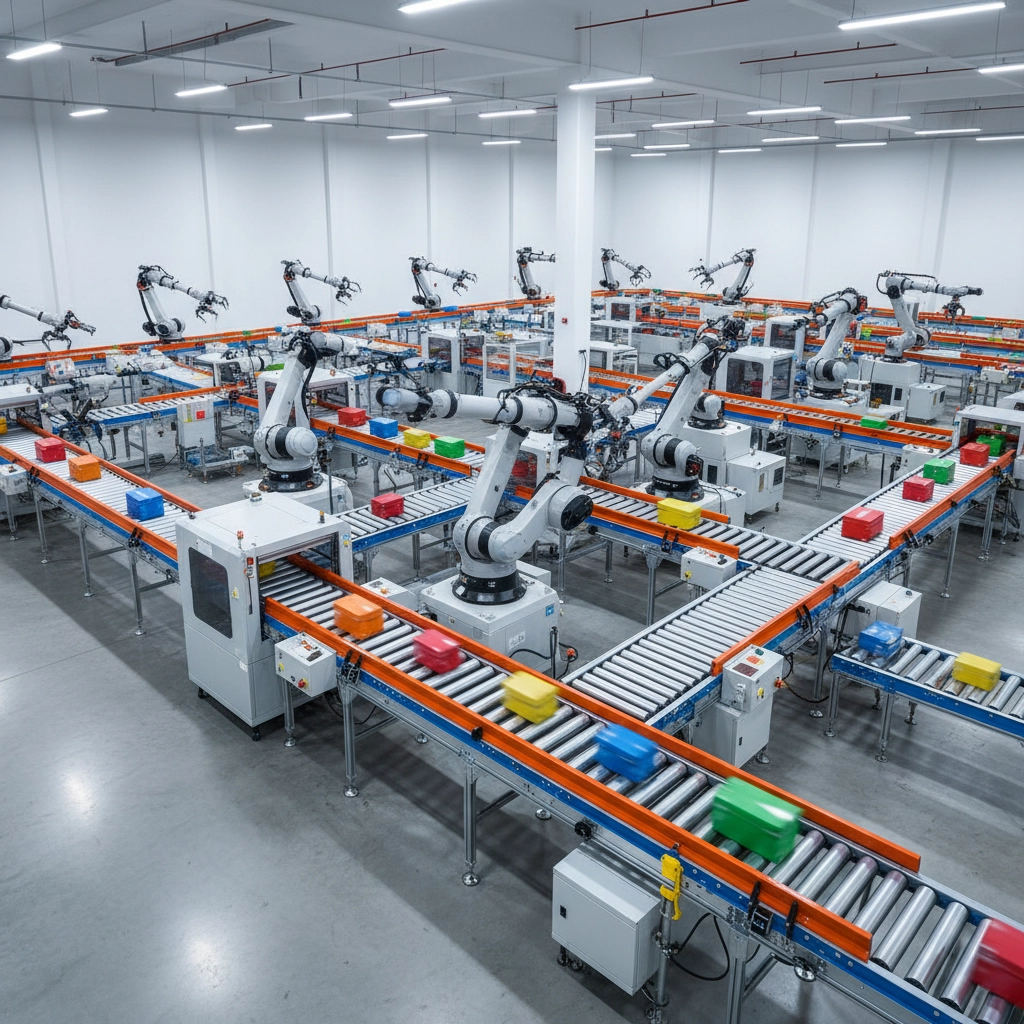
The Three Pillars of Procurement Success
At least in my opinion, successful procurement logistics operates on three fundamental principles that separate industry leaders from the rest:
Right Amount: This isn't just about ordering what you need – it's about precision forecasting that prevents the costly nightmare of overstocking or the devastating impact of stockouts. What's more, getting quantities right directly impacts your cash flow and storage costs.
Right Time: Timing in procurement logistics is everything. Additionally, late deliveries don't just delay production – they create a domino effect that can impact customer satisfaction, increase operational costs, and strain supplier relationships.
Right Quality: It goes without saying that maintaining product integrity throughout the procurement process protects your brand reputation and ensures customer satisfaction. But either way, quality control starts at the sourcing stage and continues through every step of the logistics chain.
Breaking Down the Core Components
So, what actually happens in procurement logistics? Please accept apologies in advance for diving into the weeds a bit, but understanding these components is crucial for success:
Demand Planning and Forecasting
This is where the magic begins. Demand planning kicks off the entire process by forecasting what materials you'll need and when. Using historical data, market trends, and predictive analytics, businesses can anticipate requirements months in advance. It's not just about looking at past sales – it's about understanding seasonal fluctuations, market conditions, and even geopolitical factors that might impact supply availability.
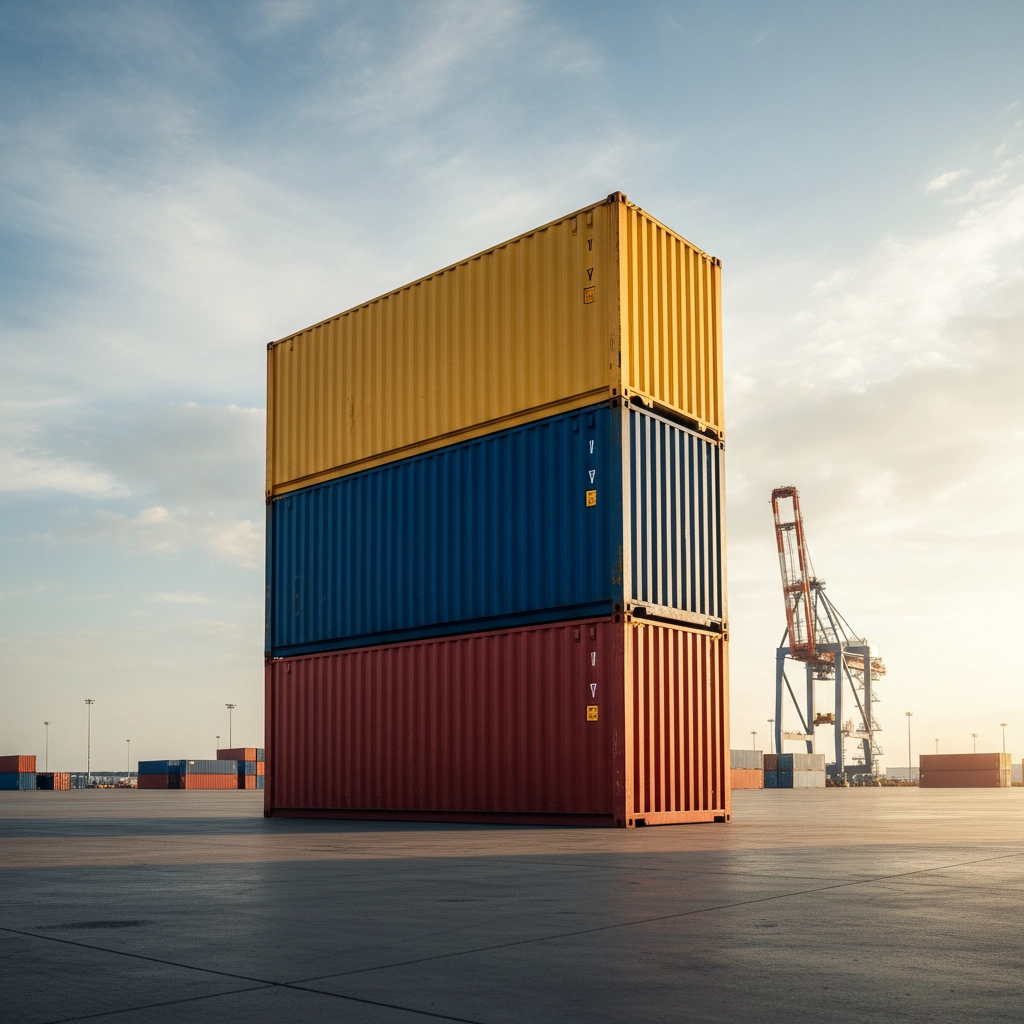
Supplier Selection and Management
Finding reliable partners who can deliver quality goods consistently isn't just about the lowest price. Today's procurement logistics requires evaluating suppliers based on reliability, quality standards, geographic location, financial stability, and their own supply chain resilience. What's more, building strong supplier relationships creates competitive advantages that pure transactional approaches simply can't match.
Strategic Sourcing and Negotiation
This goes beyond basic purchasing. Strategic sourcing involves analyzing total cost of ownership, negotiating long-term contracts, and securing favorable terms that protect your business during market volatility. Additionally, effective negotiation ensures you're not just getting good prices, but also priority treatment during supply shortages.
The Digital Revolution in Procurement Logistics
In today's interconnected world, technology has transformed how procurement logistics operates. Cloud-based procurement platforms now provide real-time visibility into supplier performance, inventory levels, and shipment status. But either way, the human element remains crucial for relationship management and strategic decision-making.
Artificial intelligence and machine learning are revolutionizing demand forecasting accuracy. These technologies can process vast amounts of data to predict demand patterns with unprecedented precision. It will certainly be an interesting development to watch as AI continues reshaping procurement logistics strategies.

Risk Management: Your Insurance Policy
Why focus on risk management in procurement logistics? Because supply chain disruptions are inevitable. Whether it's natural disasters, geopolitical tensions, or economic fluctuations, having robust risk management strategies protects your business continuity.
Diversifying suppliers across different geographic regions, maintaining strategic inventory buffers, and developing contingency plans aren't just good practices – they're business survival strategies. To be sure, the companies that weathered recent global supply chain challenges were those with strong risk management frameworks.
Cost Optimization Without Compromising Quality
Here's where procurement logistics really shines – creating cost savings without sacrificing quality or reliability. By coordinating procurement activities with logistics operations, businesses can achieve:
- Consolidated shipments that reduce transportation costs
- Bulk purchasing advantages through coordinated buying
- Reduced inventory carrying costs through better timing
- Lower administrative expenses through streamlined processes

Global Supply Chain Integration
What's more, modern procurement logistics isn't confined to domestic suppliers. Global sourcing opens opportunities for cost savings, quality improvements, and access to specialized materials or components. However, international procurement logistics requires understanding customs regulations, currency fluctuations, longer lead times, and cultural differences in business practices.
The key to successful global procurement logistics lies in balancing cost advantages with supply chain complexity. Additionally, working with experienced logistics partners who understand international shipping, customs clearance, and regulatory compliance becomes essential.
Measuring Success in Procurement Logistics
How do you know if your procurement logistics strategy is working? Key performance indicators provide the answer:
- On-time delivery rates from suppliers
- Total cost of ownership for procured items
- Supplier quality ratings and defect rates
- Inventory turnover and carrying costs
- Supply chain visibility and responsiveness
But either way, the most important metric is how well your procurement logistics supports overall business objectives and customer satisfaction.
Technology Integration and Future Trends
The procurement logistics landscape continues evolving rapidly. Internet of Things (IoT) sensors provide real-time tracking of shipments and inventory conditions. Blockchain technology offers unprecedented transparency and traceability throughout the supply chain. And predictive analytics help anticipate and prevent potential disruptions before they impact operations.

Your Next Steps to Supply Chain Success
So, without further adieu, here's your action plan for implementing effective procurement logistics:
Start by evaluating your current supplier relationships and performance metrics. Identify gaps in visibility, reliability, or cost-effectiveness. Then, prioritize improvements based on their potential impact on your business operations.
Consider partnering with experienced logistics providers who understand both procurement and logistics challenges. The complexity of modern supply chains often requires specialized expertise that many companies find more cost-effective to outsource rather than build internally.
Invest in technology solutions that provide visibility and control over your procurement logistics processes. But remember – technology is only as effective as the people and processes behind it.
The Bottom Line
It goes without saying that procurement logistics has become a critical competitive advantage in today's business environment. Companies that master this discipline don't just survive market volatility – they thrive by turning supply chain challenges into opportunities.
The integration of strategic procurement with logistics operations creates synergies that reduce costs, improve reliability, and enhance customer satisfaction. To be sure, businesses that view procurement logistics as a strategic capability rather than just operational necessity position themselves for long-term success.
Whether you're sourcing materials locally or from international suppliers, the principles remain the same: get the right goods, at the right time, in the right quantities, at the right cost, while maintaining quality and managing risks. Master these fundamentals, and you'll have the foundation for global supply chain success.
Looking ahead, procurement logistics will continue evolving with new technologies, changing trade regulations, and shifting market dynamics. The companies that stay ahead of these trends while maintaining focus on fundamental principles will be the ones writing the success stories of tomorrow.




[…] you're at risk of a total operational standstill. You can find a more detailed breakdown in our procurement logistics explained guide, but the takeaway is simple: procurement and logistics are two sides of the same […]