
8718 WESTPARK DR, HOUSTON, TX 77063
713-589-2925
INFO@PSISHIPPING.COM
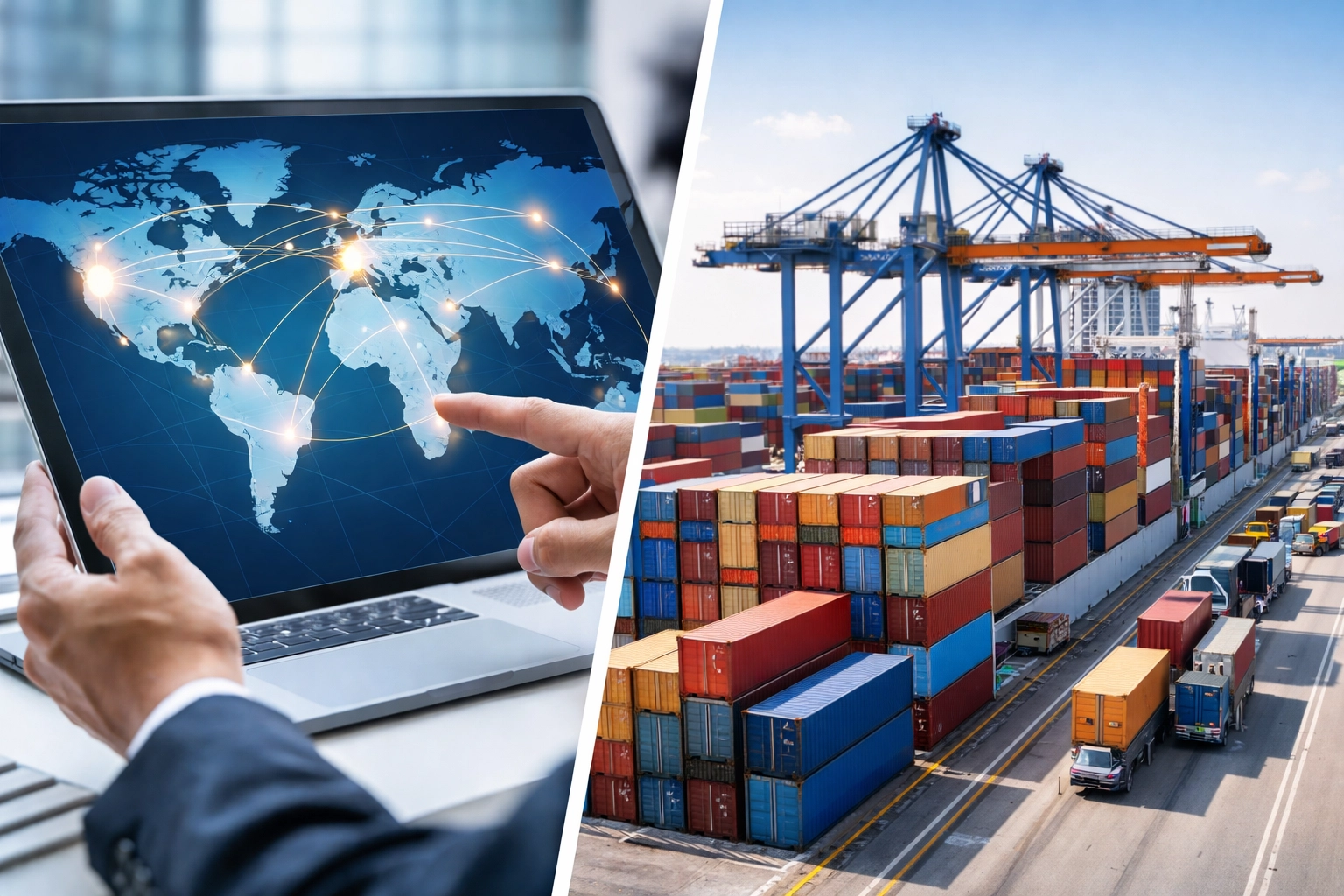
So, here's the thing about international shipping, it moves fast. In the blink of an eye, your cargo can travel from Houston to Shanghai, Rotterdam to Lagos, or Singapore to Los Angeles. But with over 800 major seaports operating worldwide, how do shippers keep track of where their goods are headed?
The answer lies in international sea port codes. These standardized codes are the universal language of global trade, and if you're serious about shipping, knowing the major ones is non-negotiable.
At PSI Global Logistics, we've helped countless businesses navigate the complexities of international shipping. Today, we're breaking down the 15 most important international seaports you need to know, complete with their port codes, so you can ship smarter, not harder.
What Are International Sea Port Codes?
Before we dive into the list, let's get clear on what we're talking about.
International sea port codes follow the UN/LOCODE (United Nations Code for Trade and Transport Locations) system. It's a five-character code that identifies ports, airports, and other transport hubs around the world. The first two letters represent the country, and the remaining three identify the specific location.
For example:
- CNSHG = China (CN) + Shanghai (SHG)
- USLAX = United States (US) + Los Angeles (LAX)
- NLRTM = Netherlands (NL) + Rotterdam (RTM)
Why does this matter? Because when you're booking freight, tracking shipments, or clearing customs, these codes eliminate confusion. No ambiguity. No miscommunication. Just smooth, efficient logistics.
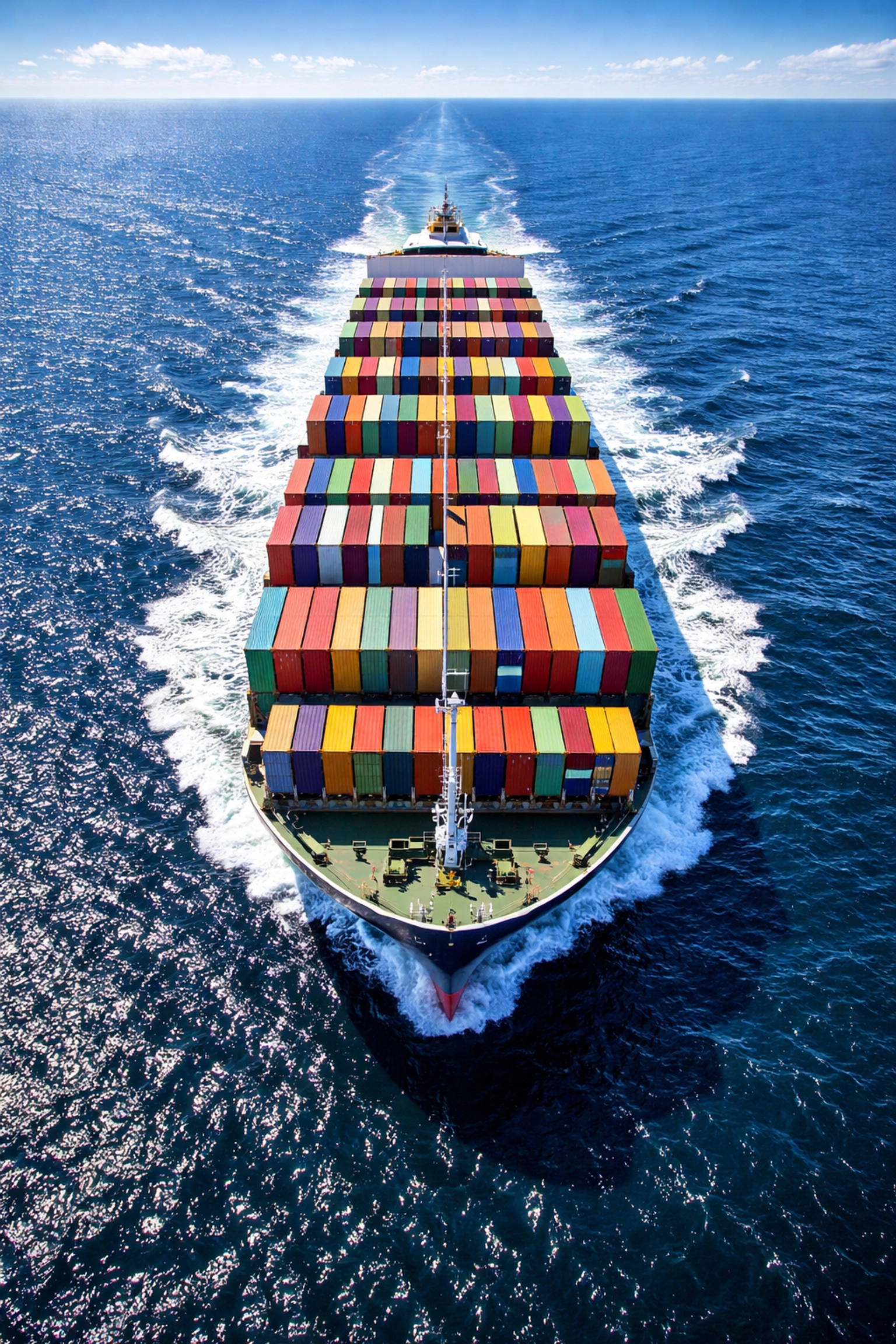
The 15 Major Seaports of the World Every Shipper Should Know
Alright, let's get to the good stuff. Here are the 15 busiest and most strategically important international seaports, ranked by container throughput and global significance.
1. Port of Shanghai, China (CNSHG)
The undisputed heavyweight champion of international seaports. Shanghai handles over 47 million TEUs (twenty-foot equivalent units) annually, making it the world's busiest port since 2010. The Yangshan Deep-Water Port operates as the largest automated container terminal on the planet. If you're shipping to or from Asia, chances are your cargo will pass through here.
2. Port of Singapore (SGSIN)
Singapore processes roughly one-fifth of the world's shipping containers. With connections to over 600 ports across six continents, it's the ultimate transshipment hub. Its strategic location at the crossroads of major shipping lanes makes it indispensable for East-West trade.
3. Port of Ningbo-Zhoushan, China (CNNGB)
Often overlooked but absolutely critical. Ningbo-Zhoushan has been quietly climbing the ranks and now rivals Shanghai in cargo volume. It's a key export gateway for manufactured goods heading to North America and Europe.
4. Port of Shenzhen, China (CNSZX)
Shenzhen serves the Pearl River Delta manufacturing hub: think electronics, consumer goods, and everything that powers global retail. If your shipment involves tech products, this port is likely in the mix.
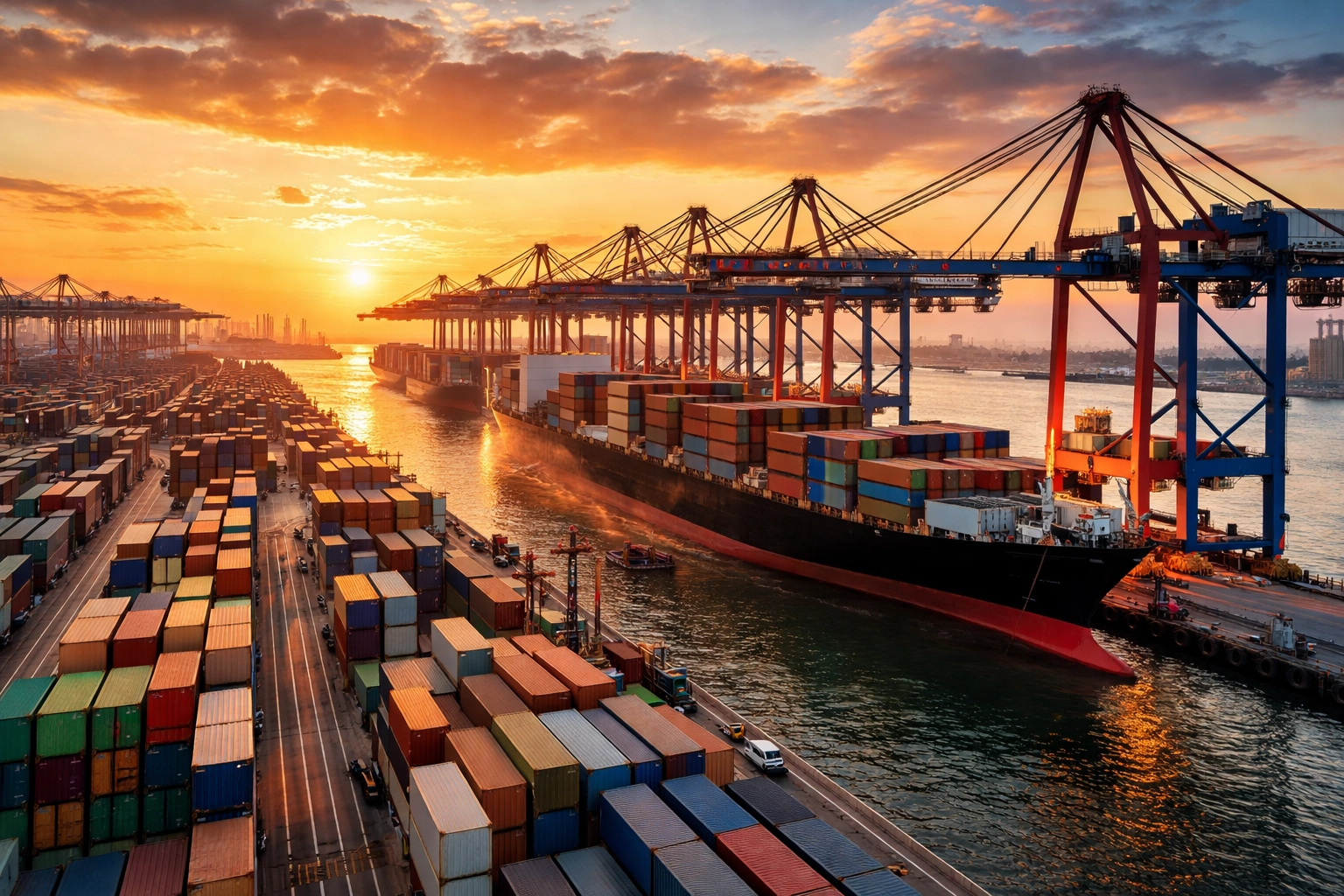
5. Port of Guangzhou, China (CNGZG)
Handling over 21 million TEUs annually, Guangzhou is another Pearl River Delta powerhouse. It's particularly important for automotive parts and heavy machinery exports.
6. Port of Qingdao, China (CNTAO)
Located in northern China, Qingdao serves as a major gateway for trade with Japan and South Korea. It's also a significant hub for crude oil imports.
7. Port of Dubai – Jebel Ali, UAE (AEJEA)
The world's largest artificial harbor and the Middle East's most important port. Jebel Ali connects East and West, serving as a critical transshipment point for cargo moving between Asia, Africa, and Europe. It handles over 13 million TEUs annually.
8. Port of Tianjin, China (CNTSN)
Tianjin serves as the maritime gateway for Beijing and northern China. It's strategically important for bulk cargo, including coal, iron ore, and petroleum products.
9. Port of Rotterdam, Netherlands (NLRTM)
Europe's largest port and the continent's primary gateway for energy resources. Rotterdam handles over 14 million TEUs and serves as the distribution hub for goods entering the European Union. If you're shipping to Europe, this is your port.
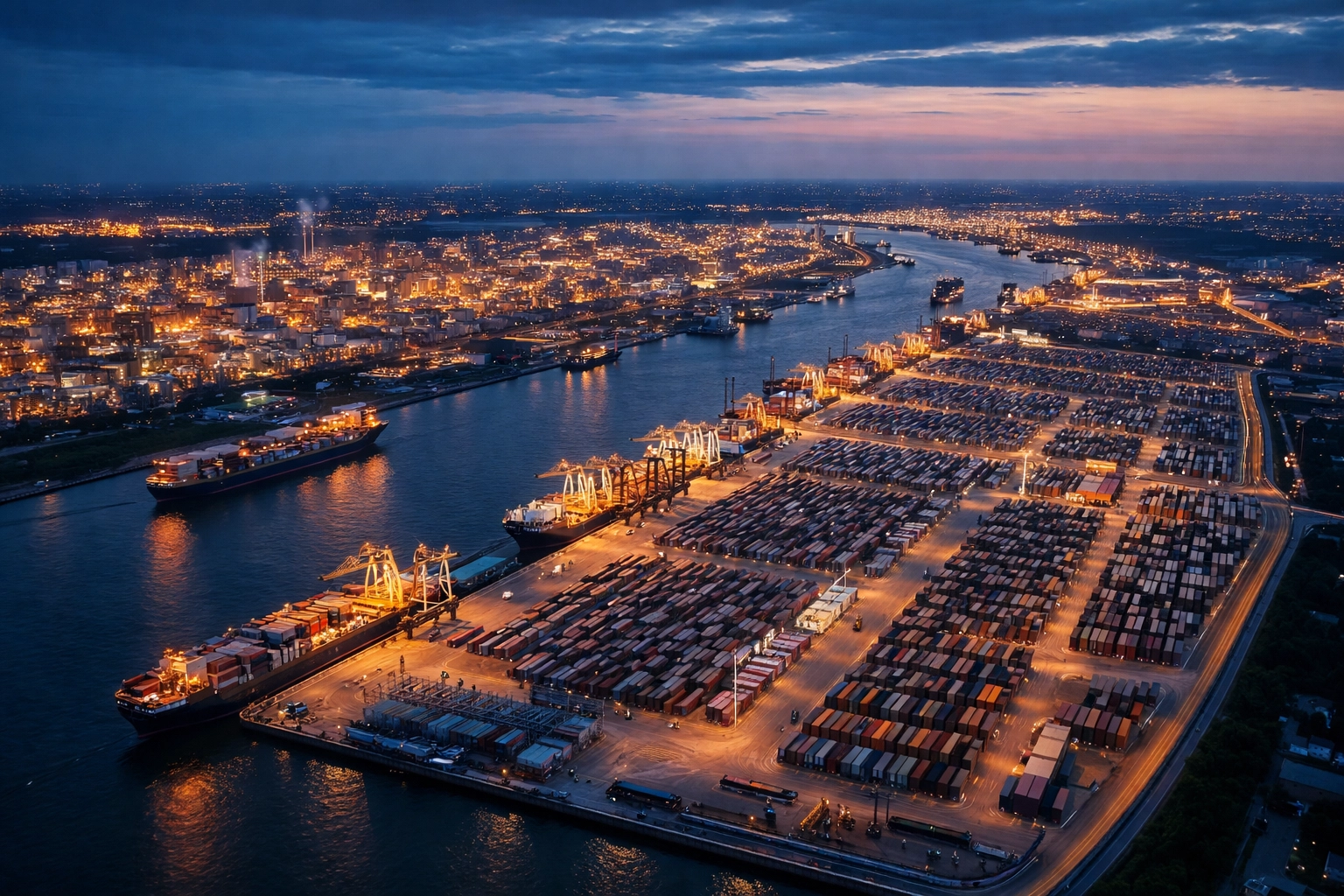
10. Port of Los Angeles, USA (USLAX)
The busiest port in the Western Hemisphere. Los Angeles handles approximately 20% of all U.S. imports and is the primary entry point for Asian goods into North America. Combined with the adjacent Port of Long Beach, the San Pedro Bay complex is a logistics titan.
11. Port of Hamburg, Germany (DEHAM)
Germany's largest port and a critical hub for Northern European trade. Hamburg handles about 8.7 million TEUs and offers excellent rail and inland waterway connections throughout Central Europe.
12. Port of Antwerp-Bruges, Belgium (BEANR)
Europe's second-largest port has merged operations with Bruges to create a logistics powerhouse. Antwerp specializes in chemical products and is home to one of the world's largest petrochemical clusters.
13. Port of New York-New Jersey, USA (USNYC)
The largest port on the U.S. East Coast, handling over 9 million TEUs. It's the primary gateway for transatlantic trade and serves a consumer market of over 100 million people within overnight trucking distance.
14. Port of Colombo, Sri Lanka (LKCMB)
Colombo has emerged as a major transshipment hub for South Asian trade. Its strategic location on East-West shipping lanes and recent infrastructure investments have boosted capacity to over 7 million TEUs.
15. Port of Valencia, Spain (ESVLC)
Spain's busiest container port and the Mediterranean's key gateway. Valencia handles approximately 5.6 million TEUs and serves as a critical link between European and North African markets.
Quick Reference: International Sea Port Codes
Here's a handy summary you can bookmark or download:
| Rank | Port | Country | Port Code |
|---|---|---|---|
| 1 | Shanghai | China | CNSHG |
| 2 | Singapore | Singapore | SGSIN |
| 3 | Ningbo-Zhoushan | China | CNNGB |
| 4 | Shenzhen | China | CNSZX |
| 5 | Guangzhou | China | CNGZG |
| 6 | Qingdao | China | CNTAO |
| 7 | Dubai (Jebel Ali) | UAE | AEJEA |
| 8 | Tianjin | China | CNTSN |
| 9 | Rotterdam | Netherlands | NLRTM |
| 10 | Los Angeles | USA | USLAX |
| 11 | Hamburg | Germany | DEHAM |
| 12 | Antwerp-Bruges | Belgium | BEANR |
| 13 | New York-New Jersey | USA | USNYC |
| 14 | Colombo | Sri Lanka | LKCMB |
| 15 | Valencia | Spain | ESVLC |
Looking for a downloadable international sea port codes PDF? Contact us and we'll send one your way.
Why This Matters for Your Business
Understanding these major seaports of the world isn't just trivia: it's strategic intelligence. Knowing which ports handle your type of cargo, which offer the best transshipment options, and which might cause delays can save you time, money, and headaches.
But here's the real talk: even with all this knowledge, international shipping remains complex. Port congestion, customs delays, documentation errors: any of these can derail your supply chain.
How PSI Global Logistics Keeps You Ahead
At PSI Global Logistics, we specialize in navigating these international seaports so you don't have to stress. Whether you're shipping oil and gas equipment, construction materials, or telecommunications hardware, we've got the expertise to get your cargo where it needs to go.
What's more, our instant live tracking system lets you monitor your shipments in real-time: from origin port to final destination. No more wondering "where's my cargo?" Just clear visibility, every step of the way.
Ready to ship smarter? Get in touch with our team today, and let's move your cargo with confidence.

Leave A Comment