
8718 WESTPARK DR, HOUSTON, TX 77063
713-589-2925
INFO@PSISHIPPING.COM
So, you're searching for a shipping waiver template. Maybe you've got a big shipment coming up, or perhaps you've been burned before and want to make sure all your bases are covered this time around. Either way, you've landed in the right place.
Here's the thing, shipping waivers might seem like just another piece of paperwork in the endless sea of logistics documentation, but they're actually pretty important. Get them wrong, and you could be on the hook for damages, delays, or disputes that'll give you headaches for weeks. Get them right, and you've got yourself a smooth, protected shipping process.
Before you download the first template you find on Google, let's walk through 10 crucial things you absolutely need to know first. Trust us on this one.
1. Understanding What a Shipping Waiver Actually Does
Let's start with the basics, shall we? A shipping waiver is a legal document that authorizes a carrier to transport your goods while clearly defining who's responsible for what during transit. It essentially releases one party (usually the shipper) from liability for loss, damage, or delays that might occur once the goods leave their hands.
Think of it as a handshake agreement, but on paper, with legal weight behind it. Without one, figuring out who pays for that damaged pallet becomes a messy game of finger-pointing.

2. Know the Parties Involved (And Name Them Correctly)
This sounds obvious, but you'd be surprised how often shipping waiver templates get filled out with vague or incorrect party information. Your waiver needs to clearly identify:
- The shipper (that's you or your company)
- The carrier (the logistics provider moving your goods)
- The recipient (whoever's receiving the shipment)
Why does this matter? Because if a dispute arises, unclear party identification can make the entire document questionable. Double-check names, addresses, and contact information before anyone signs.
3. Liability Transfer Terms Are Everything
Here's where things get real. The liability transfer terms in your shipping waiver template define the exact moment when responsibility for your goods shifts from one party to another.
Does the carrier become responsible the moment they pick up? Does the recipient assume liability once goods are delivered to the loading dock? Or is it only after they've had a chance to inspect everything?
These details need to be crystal clear. Ambiguity here is basically an open invitation for disputes down the road. At PSI Global Logistics, we make sure our documentation spells out these terms so everyone knows exactly where they stand.
4. Detailed Goods Description Is Non-Negotiable
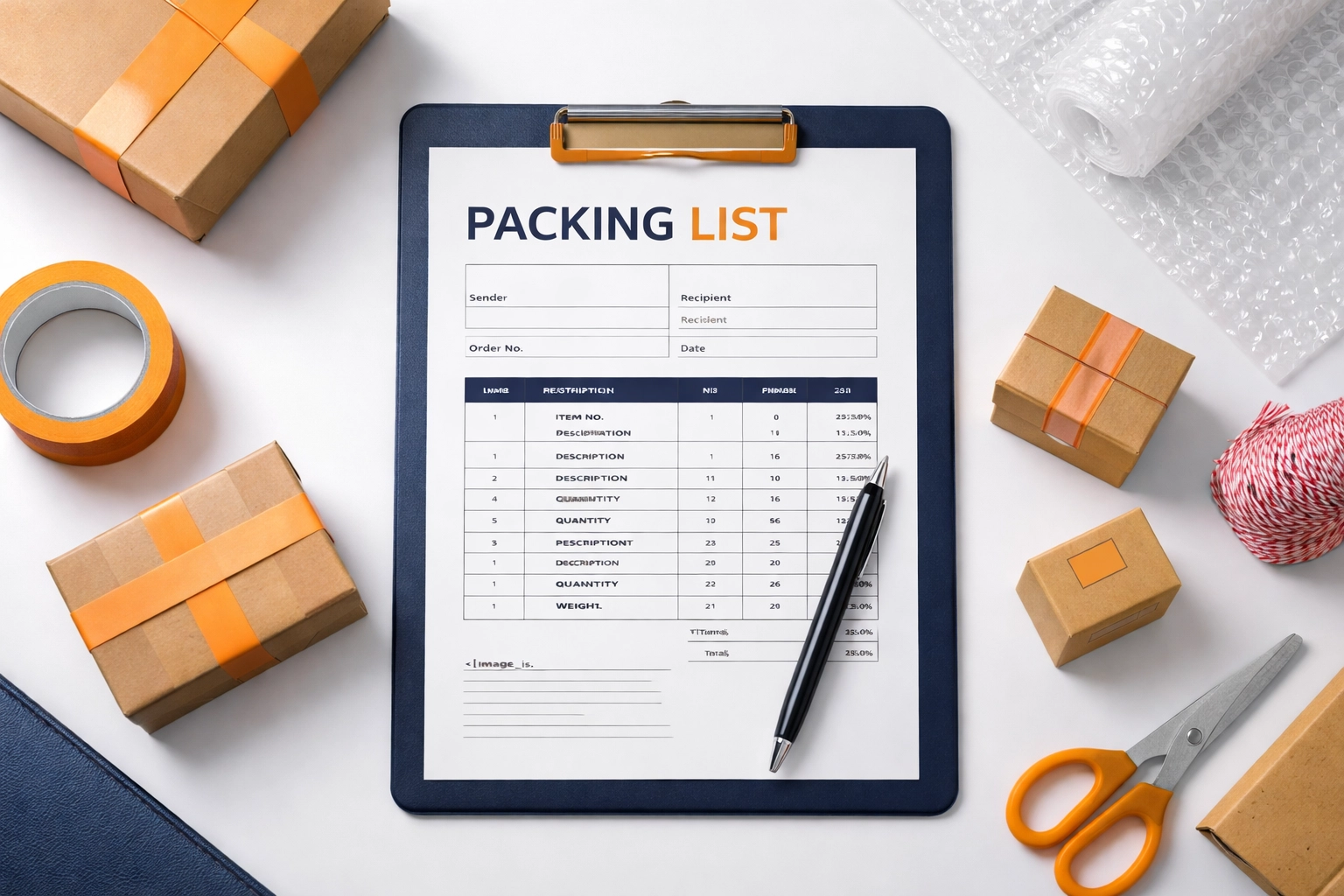
A good shipping waiver template will have space for a thorough description of what's being shipped. And no, "miscellaneous goods" doesn't cut it.
You'll want to include:
- Exact item descriptions
- Quantities
- Weight and dimensions
- Special handling requirements
- Declared value (if applicable)
The more specific you are, the better protected everyone is. If something goes missing or arrives damaged, having detailed documentation makes the claims process infinitely smoother.
5. Understand What Carriers Won't Be Liable For
Here's something that catches a lot of shippers off guard, most shipping waivers include exclusions that limit carrier liability under certain circumstances. These typically include:
- Force majeure events (natural disasters, wars, pandemics)
- Inadequate packaging by the shipper
- Inaccurate information provided by the shipper
- Inherent defects in the goods themselves
What's more, damages caused by gross negligence or willful misconduct usually cannot be waived legally. So while carriers do have protections, they can't just wave away responsibility for everything.
6. Common Reasons Waivers Get Issued
Wondering when you'd actually need a shipping waiver? There are several common scenarios:
- Self-loaded shipments where the shipper loads their own container
- Fragile or delicate items that carry higher damage risk
- Improperly packaged goods (yes, carriers will note this)
- Hazardous materials requiring special handling
- Perishable cargo with time-sensitive delivery requirements
- Mixed containers where multiple items share space
If any of these apply to your shipment, expect a waiver to be part of the process. And honestly? It protects you too.
7. The Inspection Clause Matters More Than You Think
Most well-drafted shipping waiver templates include an acknowledgment that the recipient had the opportunity to inspect goods upon delivery, and could refuse acceptance if issues were detected.
Why is this important? Because once you sign that delivery receipt without noting any visible damage, you're essentially saying "everything looks good to me." Later claims become much harder to prove.
Pro tip: Always, always inspect shipments before signing. Take photos if needed. Document everything.

8. Legal Requirements and Governing Law
Different regions have different regulations governing shipping waivers. Your template should specify:
- Which jurisdiction's laws apply
- That all parties are signing voluntarily (no coercion)
- That signers had the opportunity to seek legal advice
This isn't just legal jargon to skip over. If a dispute ever goes to court, these clauses determine how the case gets handled. Make sure the governing law makes sense for your shipping route.
9. Customization Is Your Friend
Here's some good news, professional shipping waiver templates are typically fully editable. That means you can customize:
- Company logos and branding
- Specific goods descriptions
- Delivery addresses and timelines
- Payment terms and shipping fees
- Special conditions unique to your shipment
Don't just use a generic template as-is. Tailor it to your specific situation. What works for a furniture company shipping domestically might not work for an oil and gas equipment provider shipping internationally.
Speaking of which, if you're in a specialized industry like oil and gas or construction, working with a logistics partner who understands your sector makes a world of difference.
10. How PSI Global Logistics Handles Documentation
So, after all this talk about shipping waivers and templates, you might be wondering, how do the professionals handle this?
At PSI Global Logistics, documentation isn't an afterthought. It's baked into every step of our process. Here's what that looks like:
- Clear, comprehensive paperwork that defines responsibilities upfront
- Industry-specific expertise for sectors like automotive, retail, and telecommunications
- Real-time tracking so you always know where your shipment is via our instant live tracking system
- Customized solutions that address your unique shipping challenges
We've seen too many businesses get burned by poorly drafted waivers or incomplete documentation. Our goal is to make sure that never happens to our clients.

Ready to Ship With Confidence?
Finding a shipping waiver template is the easy part. Understanding what goes into it, and making sure it actually protects your interests, that's where the real work happens.
Whether you're shipping domestically or moving freight across continents, having the right documentation in place keeps everyone honest and protected. And if you'd rather leave the paperwork headaches to someone else? Well, that's kind of our thing.
Got questions about shipping waivers, documentation, or anything logistics-related? We're always happy to chat. Reach out to the PSI Global Logistics team at 713-589-2925 or INFO@PSISHIPPING.COM, or visit our contact page to get started.
Here's to smooth shipments and zero surprises.

Leave A Comment