
PSI GLOBAL LOGISTICS – 8718 WESTPARK DR, HOUSTON, TX 77063 | PHONE: 1-713-589-2925 | EMAIL: INFO@PSISHIPPING.COM
In the blink of an eye, the global supply chain has transformed from a "behind-the-scenes" operation into the headline of every major business journal. Here we are, well into 2026, and the pace of international trade shows no signs of slowing down. If you are reading this, you are likely looking to elevate your status to a true logistics pro. But what separates a standard shipper from a professional? It usually comes down to a deep, technical understanding of the gateways that make it all possible: the international seaport.
At PSI Global Logistics, we see thousands of containers move through these hubs daily. To be sure, it can feel like a chaotic world of steel boxes and massive cranes, but there is a precise science behind it. In this guide, we are going to dive into the mechanics of the major seaports of the world, the "secret code" used by industry insiders, and the high-stakes world of telecommunications logistics. Please accept my apologies in advance if I get a little too excited about port throughput data, it’s just what we do here!
The Strategic Role of an International Seaport
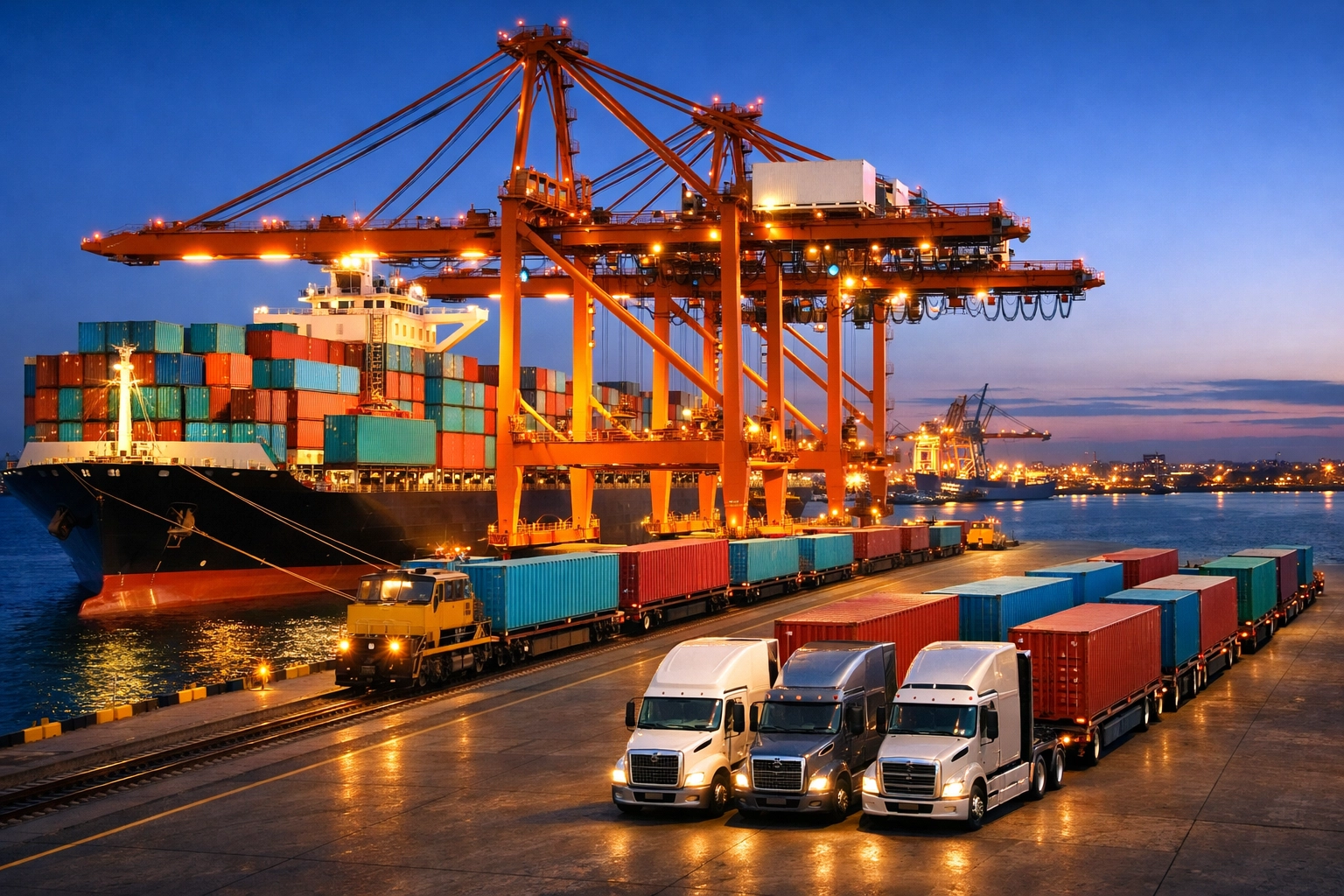
When we talk about global trade, the international seaport is the undisputed heavy hitter. Over 80% of the volume of international trade in goods is carried by sea, and the percentage is even higher for most developing countries. But a port is more than just a place where ships park. It is a complex ecosystem where maritime transport meets inland distribution.
For the aspiring logistics pro, understanding port functionality is step one. Ports serve as "intermodal" hubs, meaning they are the point where cargo switches from a ship to a truck or a train. The efficiency of this transition, often called the "turnaround time", can make or break a company’s quarterly profits.
Why does this matter to you? Because choosing the right port can save you thousands in drayage costs and weeks in transit time. It’s not just about getting it on the water; it’s about where it lands and how fast it clears. If you've ever wondered why ship with PSI Global Logistics, it’s because we live and breathe this level of strategic planning every day.
Mapping the Giants: Major Seaports of the World
To speak the language of a logistics pro, you have to know the map. The global economy rotates around a few key "super-hubs." While there are thousands of ports globally, a handful handle the lion's share of container traffic.
- Port of Shanghai, China: Still the reigning champion. Shanghai has consistently topped the list of international seaports by container volume for years. It is the heart of the manufacturing world.
- Port of Singapore: A critical transshipment hub. Because of its location on the tip of the Malay Peninsula, it connects the Indian Ocean to the Pacific.
- Port of Rotterdam, Netherlands: The gateway to Europe. If your cargo is heading to the EU, there’s a high probability it’s passing through these Dutch waters.
- Port of Houston, USA: Right in our backyard! As a leading port in the U.S. for foreign waterborne tonnage, Houston is essential for energy, machinery, and retail goods.
It goes without saying that knowing these locations is only half the battle. You also have to understand their specific "personalities", some are better for perishables, while others are optimized for the heavy-duty machinery we often handle at PSI.
Decoding the Industry: International Sea Port Codes PDF
Have you ever looked at a shipping label and seen a five-letter code like "USHTN" or "CNSHA"? Those aren't typos. Those are UN/LOCODEs (United Nations Code for Trade and Transport Locations).
For anyone looking to download an international sea port codes pdf to keep on their desk, you’re looking for the standardized language of global trade. These codes ensure that a shipment intended for Houston, Texas (USHTN) doesn't accidentally end up in a different "Houston" elsewhere in the world.
Using these codes is a total "logistics pro" flex. It eliminates ambiguity in documentation and ensures that customs officials, freight forwarders, and carriers are all looking at the same digital map. At PSI, we utilize these codes to integrate seamlessly with global tracking systems, providing our clients with real-time visibility. If you are curious about what countries we ship to, you can bet every one of them is mapped out with these precise identifiers.
Telecommunications Logistics: The High-Stakes Game
So, without further adieu, let’s talk about one of the most specialized sectors in our industry: telecommunications logistics.
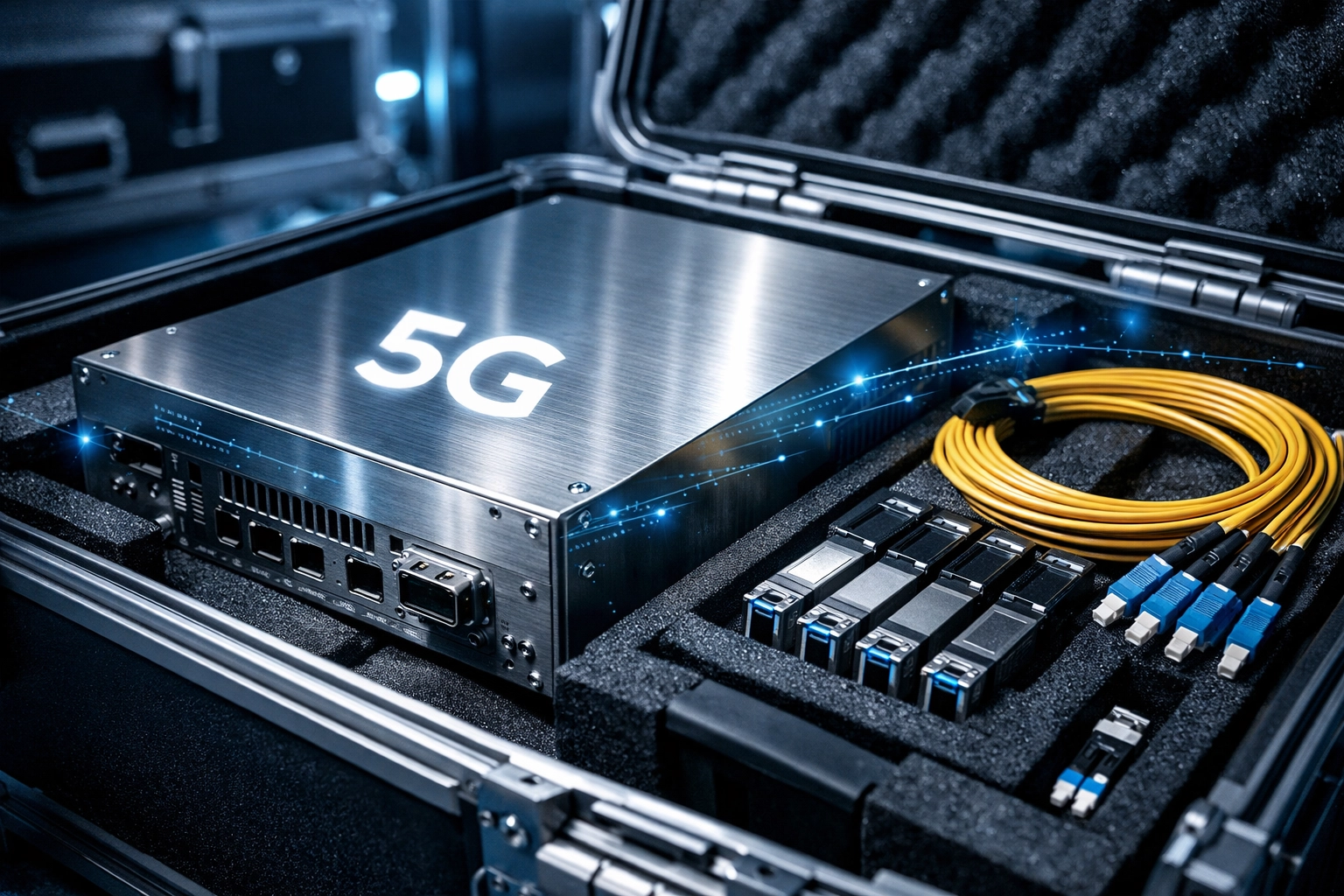
Shipping a container of t-shirts is one thing; shipping a 5G base station, delicate fiber optic cables, or high-capacity servers is another beast entirely. This sector requires a level of precision that most general freight forwarders simply aren't equipped to handle.
Telecommunications equipment is often:
- High-Value: A single pallet can be worth hundreds of thousands of dollars.
- Fragile: Sensitive electronics don't play well with extreme vibrations or moisture.
- Time-Sensitive: In the tech world, a delay in infrastructure rollout can result in millions of dollars in lost revenue.
PSI Global Logistics has carved out a niche in handling these complex moves. We understand that telecommunications isn't just "cargo", it's the infrastructure that keeps the world connected. Whether we are moving equipment through major international seaports or utilizing air freight for urgent replacements, the "pro" approach is all about risk mitigation and specialized handling.
Handling the Heavy Stuff: Machinery and Business Freight
While tech is sleek and shiny, much of global trade still relies on "heavy metal." We are talking about industrial machinery, construction equipment, and massive components for the energy sector.
Moving heavy machinery through major seaports of the world involves more than just a standard crane. It often requires "Breakbulk" or "Ro-Ro" (Roll-on/Roll-off) services. This is where the expertise of a professional logistics partner truly shines.
How will it be funded? How will it be rigged? How will it clear customs without a hitch? These are the questions we answer every day. At PSI, we specialize in the procurement and transportation of these large-scale assets. It will certainly be an interesting development to watch as port automation (like the AI-driven cranes being tested in Singapore) continues to make the handling of heavy freight even more precise.
Why Technical Knowledge Matters for Your Bottom Line
At this point, you might be thinking, "This is great, Penny, but how does knowing about an international sea port codes pdf help my business?"
The answer is simple: Information is the ultimate currency.
When you understand the mechanics of international seaports, you can anticipate delays before they happen. If you know that a certain port is prone to seasonal congestion, you can reroute your cargo to a secondary hub. This level of foresight is what prevents supply chain "nightmares" and keeps your customers happy.
Additionally, working with a partner like PSI Global Logistics means you don't have to memorize every code or port depth yourself. We provide the "Logistics Pro" expertise so you can focus on growing your business. From warehousing locations to final mile delivery, we've got the technical side covered.
Looking Ahead: The Future of Global Trade
As we move further into 2026, the world of shipping continues to evolve. We are seeing a massive push toward "Green Shipping Corridors" between major ports to reduce carbon footprints. We are seeing blockchain technology replace paper-based bills of lading.
It's been another fast and busy year, and we are constantly learning. Please accept my apologies if this post didn't cover every single one of the thousands of ports out there: at least in my opinion, focusing on the heavy hitters is the best way to start your journey as a pro.
Whether you are shipping delicate electronics for a telecommunications logistics project or moving heavy machinery across the ocean, remember that the port is the heartbeat of your operation. Treat it with the respect and technical attention it deserves.
So, are you ready to ship like a pro? If you have questions about your next shipment or need a hand navigating the complex world of international trade, don't hesitate to reach out to us at PSI Global Logistics. We’ve been navigating these waters for a long time, and we’d love to help you reach your destination.
PSI GLOBAL LOGISTICS
8718 WESTPARK DR, HOUSTON, TX 77063
PHONE: 1-713-589-2925
EMAIL: INFO@PSISHIPPING.COM
Disclaimer: While we strive for absolute accuracy in all our shipping guides, the world of logistics changes rapidly. Always consult with a PSI representative for the most current rates, port conditions, and regulatory requirements. We might have missed a tiny port code here or there, but our commitment to your cargo remains unshakable!

Leave A Comment