
ADDRESS: 8718 WESTPARK DR, HOUSTON, TX 77063, USA
PHONE: +1 713-589-2925
EMAIL: INFO@PSISHIPPING.COM
WEBSITE: PSISHIPPING.COM
In the blink of an eye, we find ourselves deep into 2026, and the global industrial engine is humming louder than ever. Whether it’s massive turbines for energy projects or specialized excavators for urban expansion, the world is moving big things. But here’s the reality: moving a 20-ton CNC machine or a massive generator isn't like mailing a care package to your cousin. It’s a high-stakes game of physics, bureaucracy, and specialized engineering.
It’s been another fast and busy year at PSI Global Logistics, and if there’s one thing we’ve noticed, it’s that the margin for error in heavy machinery shipping has never been thinner. To be sure, everyone wants their equipment moved "yesterday," but rushing into heavy lifting without a pro-level plan is a recipe for disaster. Please accept my apologies in advance if I sound a bit passionate about this, it’s just that we’ve seen too many "DIY" attempts turn into expensive roadside nightmares.
So, without further adieu, let’s dive into why shipping industrial machinery is strictly professional territory and how you can navigate the complexities of 2026 logistics without breaking a sweat (or your budget).
The 10,000-Pound Threshold: A Regulatory Minefield
Why is it that shipping a tractor feels ten times more complicated than shipping a container of electronics? Well, for starters, the Federal Motor Carrier Safety Administration (FMCSA) and the Department of Transportation (DOT) have very specific ideas about what constitutes "heavy equipment."
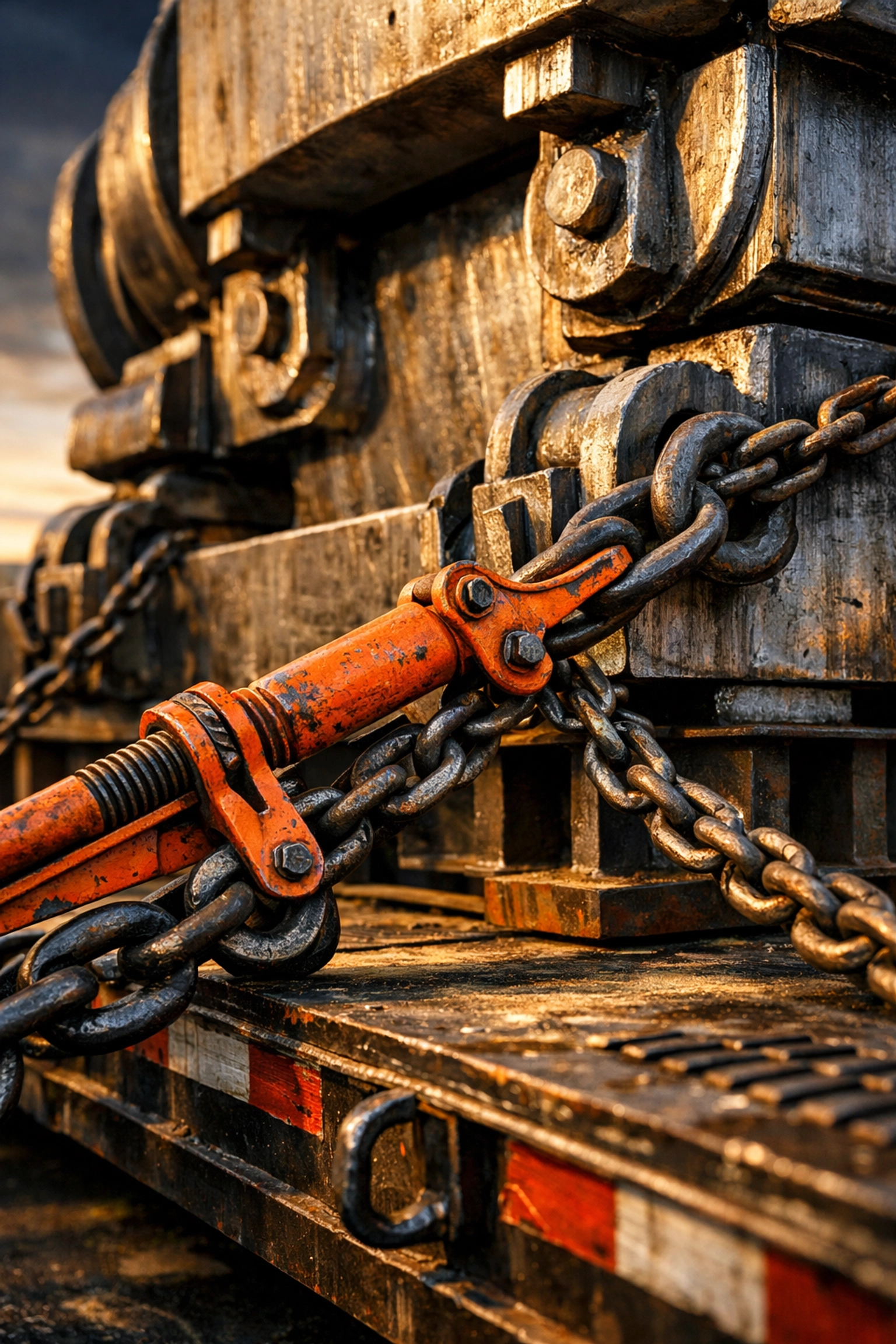
Generally, any piece of machinery weighing 10,000 lbs (about 4,536 kg) or more triggers a completely different set of cargo securement rules. We aren't just talking about a few extra straps here. We’re talking about specific tie-down requirements, weight distribution mandates, and classification codes that can make your head spin. If you misclassify your shipment? You’re looking at hefty fines, immediate "out-of-service" orders at weigh stations, and delays that ripple through your entire project timeline.
It goes without saying, but navigating these DOT regulations requires a level of precision that most amateurs simply don't possess. At PSI Global Logistics, we treat these regulations as the bare minimum, ensuring every bolt and chain is accounted for before the wheels even turn.
Choosing Your Ride: The Four Pillars of Heavy Machinery Transport
When you’re moving industrial gear, "one size fits all" is a phrase that simply doesn't exist. Depending on your machinery’s dimensions and where it’s going, you have to choose a shipping method that balances cost with safety.
- Roll-on/Roll-off (RoRo): This is the go-to for anything with wheels or tracks. Think bulldozers or specialized automotive manufacturing equipment. The beauty of RoRo is the simplicity: you drive it on, you drive it off. But there’s a catch: it limits how much you can stack, which can sometimes drive up costs in a tight market.
- Lift-on/Lift-off (LoLo): This is where things get technical. LoLo requires specialized cranes at both the origin and destination. If you’re shipping a massive boiler that can’t be driven, you’re looking at LoLo. It’s effective, but it demands fully trained operators and precision timing. One wrong move with a crane, and well… let’s just say it’s a very bad day.
- Flat Rack Shipping: Often used for oversized items that don't fit in standard containers. These racks have no sides, allowing for wider loads. The downside? Your machinery is exposed to the elements. Without proper rustproofing and industrial-grade tarping, that shiny new machine might arrive looking like a relic from the 19th century.
- Container Shipping: For smaller industrial components or machines that can be partially disassembled, standard containers are the most secure and cost-effective. However, the disassembly and reassembly process is an art form in itself.
What’s more, each of these methods comes with its own set of pricing structures. To avoid any nasty surprises, we always recommend looking for transparency in shipping quotes. No one likes a "heavy lifting" surcharge they didn't see coming.
The "Hidden" Prep Work: It’s Not Just About the Move
At least in my opinion, the most critical part of heavy shipping happens before the truck even arrives. You can’t just point at a machine and say, "Take that."
First, there’s the "fluid factor." To avoid environmental hazards and massive hazmat fees, machinery must be drained of oil, gas, and hydraulic fluids. If it leaks on the road, the EPA and DOT will have a field day: and you’ll be the one holding the bill. Additionally, you have to consider mechanical functionality. Is the parking brake working? Are the lock pins in place for moving parts?

We’ve seen cases where a boom arm on a piece of construction equipment wasn't properly secured and swung out during a turn. It’s the stuff of logistics nightmares. Proper packaging, custom crating, and padding are essential. If you’re moving high-value tech for the oil and gas sector, you probably need specialized anti-vibration mounts too.
Route Planning: Why Google Maps Isn't Enough
Here’s a question for you: Have you ever thought about the height of the overpasses between Houston and Chicago? Or the weight limit of a bridge in rural Pennsylvania?
Professional route planning is arguably the most underrated part of heavy machinery logistics. When you have an oversized load, you can’t just take the highway. You need to account for:
- Low-clearance overpasses: A few inches can be the difference between a successful delivery and a bridge collision.
- Seasonal weight limitations: Many northern states have "spring thaw" laws that restrict heavy loads when the ground is soft.
- Municipal peak-hour restrictions: Some cities won't let oversized loads through during morning or evening commutes.
- Permitting: Every state (and sometimes every county) requires different permits for "superloads."
Navigating this maze of paperwork and geography is a full-time job. It will certainly be an interesting development to watch as more AI-driven route optimization tools enter the market, but for now, there is no substitute for an experienced logistics coordinator who knows the "lay of the land."
The PSI Edge: Customized Solutions and Zero Secrets
But either way, whether you’re shipping a single generator or an entire factory's worth of equipment, you need a partner who understands customized solutions. At PSI Global Logistics, we don’t believe in "cookie-cutter" shipping. We look at the dimensions, the deadline, and the destination to build a plan that works for your specific needs.
What’s more, we’re obsessed with transparency. In a volatile market, the last thing you need is a bill that looks like a legal document you need a law degree to decipher. That’s why we stick to a strict "No Hidden Fees" policy. You get the price, you get the service, and you get instant live tracking so you can sleep at night knowing exactly where your multi-million dollar investment is located.

Final Thoughts: Leave the Heavy Lifting to Us
As we wrap up this look into the world of industrial transport, it’s clear that "winging it" is not an option. From specialized cranes to the intricate dance of international permits, moving machinery is a symphony of moving parts.
How will your next big project be funded? How will it be moved? Stay tuned, because as the global economy continues to shift, those who master their supply chain will be the ones who lead the pack. We might have missed a few niche regulations: there are thousands, after all: but we hope this gives you a solid foundation for your next big move.
Ready to get started? Whether it’s air charter for urgent parts or a flat rack for the big stuff, we’re here to help.

Leave A Comment