
8718 WESTPARK DR, HOUSTON, TX 77063
713-589-2925
INFO@PSISHIPPING.COM
So, you're ready to ship some cargo overseas. Maybe it's machinery for a new project in Lagos, household goods for a family relocation, or inventory for your growing business. But then comes the question that trips up even seasoned shippers: Which container size do I actually need?
If you've ever found yourself Googling "container types and sizes pdf" at 2 AM trying to figure out the difference between a 20ft container and a 40ft container, you're definitely not alone. It's one of the most common questions we get here at PSI Global Logistics, and honestly, it's a great question to ask before you book anything.
Here's the good news: picking the right container doesn't have to be complicated. In this guide, we'll break down everything you need to know about the two most popular container sizes in ocean freight services, help you understand which one fits your cargo best, and maybe save you some money in the process.
Let's get into it.
Why Container Size Actually Matters
Before we dive into the specifics, let's talk about why this decision is so important. Choosing the wrong container size can lead to:
- Wasted money – Paying for space you don't use
- Damaged goods – Cargo shifting around in an oversized container
- Shipping delays – Realizing too late that your cargo won't fit
- Extra fees – Overweight penalties if you pack too much into a smaller container
The right container size means your cargo arrives safely, on time, and without surprise costs eating into your budget. It goes without saying, a little planning upfront saves a lot of headaches later.
The Two Container Sizes You Need to Know
At PSI Global Logistics, we offer 20ft containers and 40ft containers, the two workhorses of international shipping. These are the industry standards for a reason: they're versatile, widely available, and fit the needs of most shippers, whether you're moving a few pallets or filling up an entire container.
Let's break down each one.
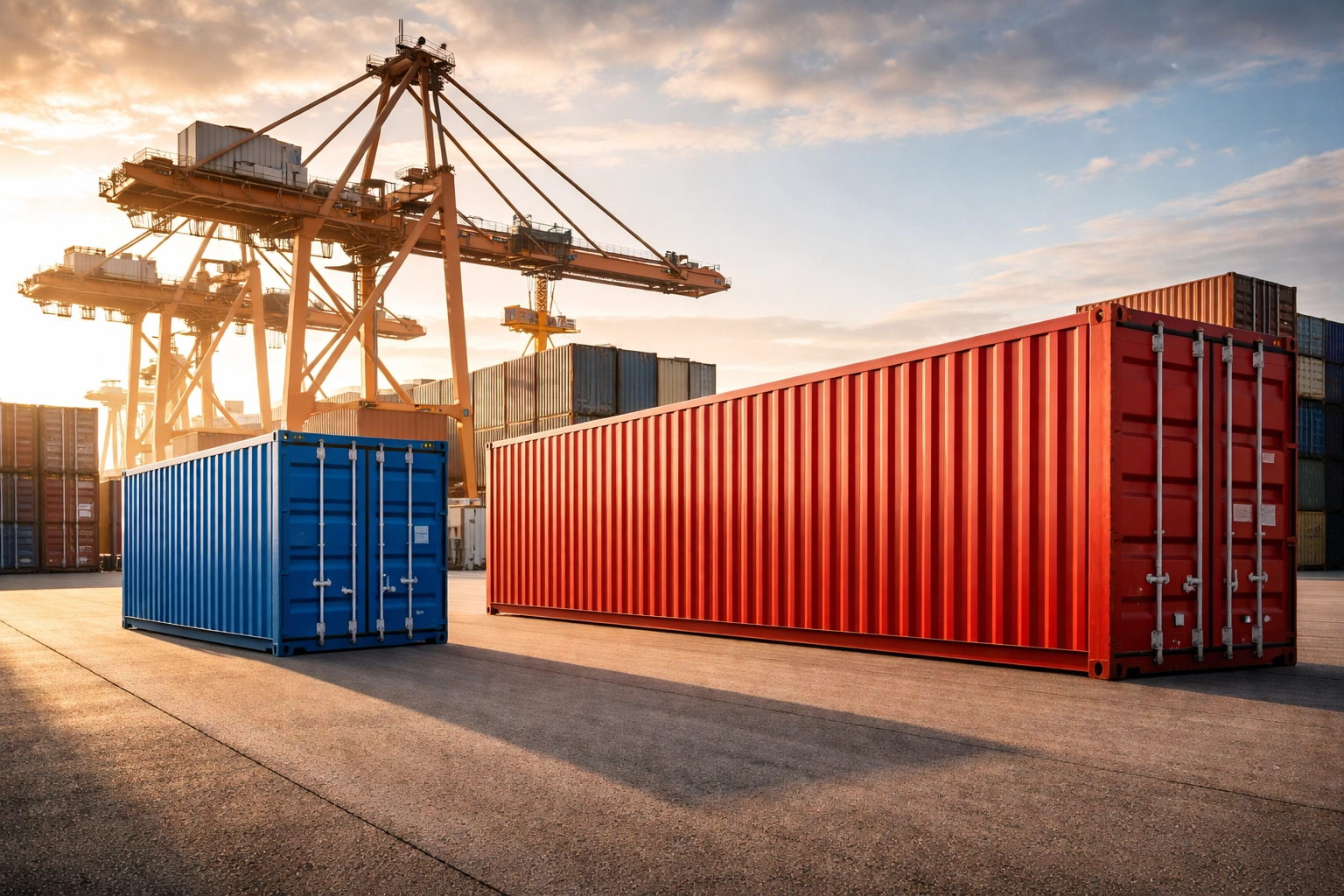
The 20ft Container: Compact and Mighty
The 20-foot container is often called a "TEU" (Twenty-foot Equivalent Unit) in shipping lingo. It's the baseline measurement the entire industry uses. When you hear someone say "a ship can carry 10,000 TEUs," they're talking about the equivalent of 10,000 of these bad boys.
20ft Container Dimensions
| Measurement | Size |
|---|---|
| External Length | 20 feet |
| External Width | 8 feet |
| External Height | 8 feet 6 inches |
| Internal Length | ~19 feet 4 inches |
| Internal Width | ~7 feet 8 inches |
| Internal Height | ~7 feet 10 inches |
| Capacity | ~1,170 cubic feet |
| Max Payload | ~44,000 lbs |
When to Choose a 20ft Container
The 20ft container is your best friend when you're shipping heavy, dense cargo that doesn't take up a lot of volume. Why? Because while it has half the space of a 40ft container, it can handle nearly the same weight capacity.
A 20ft container works great for:
- Heavy machinery and equipment
- Auto parts and engines
- Building materials (tiles, cement bags, steel)
- Smaller household moves
- Dense food products (canned goods, beverages)
Here's a quick mental trick: if your cargo is heavy but doesn't fill a lot of space, go with the 20ft. You'll pay for less container and still have the weight capacity you need.
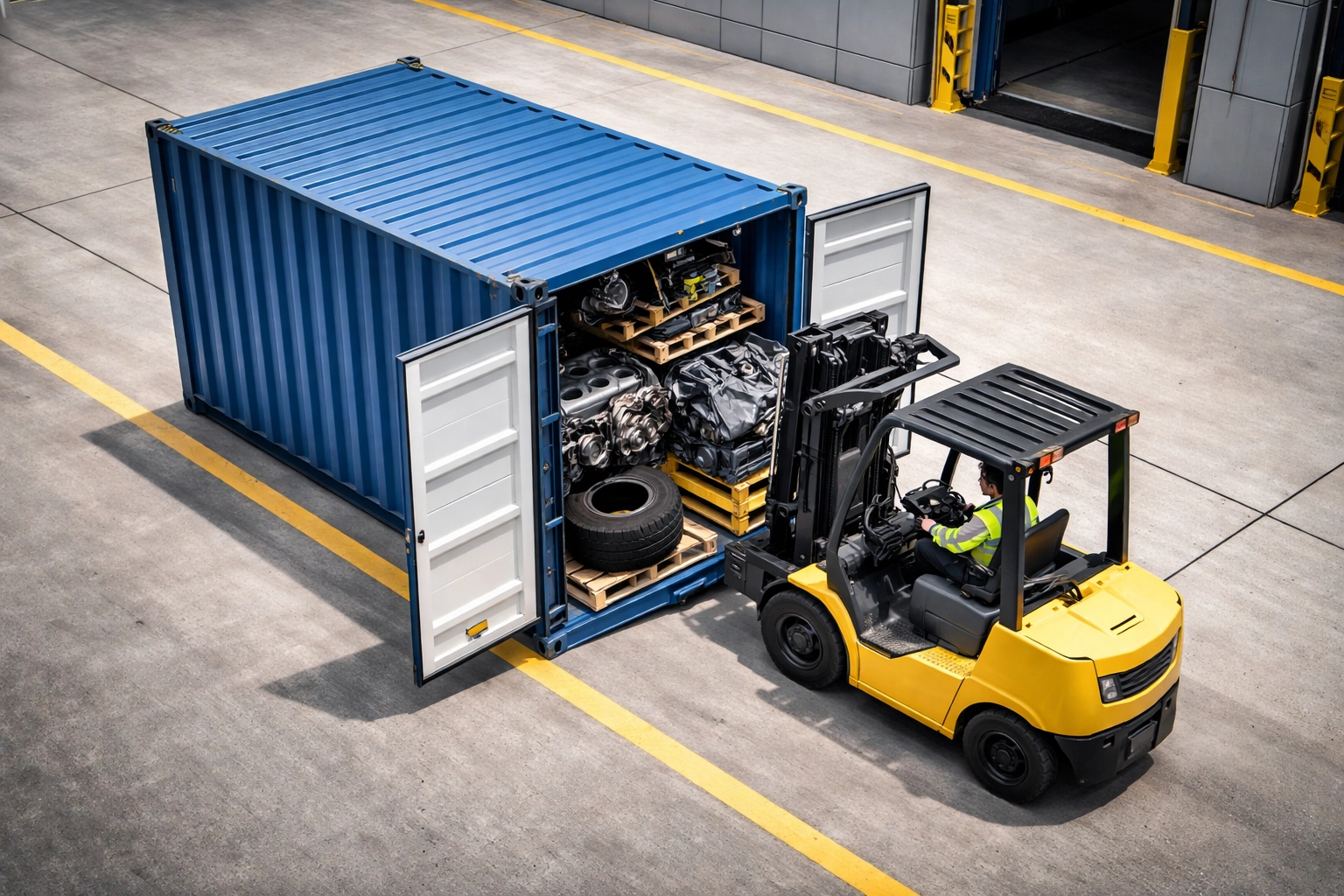
The 40ft Container: Room to Breathe
The 40-foot container is the most popular container size in global shipping, and for good reason. It offers double the volume of a 20ft container, making it perfect for bulkier shipments that don't necessarily weigh a ton.
40ft Container Dimensions
| Measurement | Size |
|---|---|
| External Length | 40 feet |
| External Width | 8 feet |
| External Height | 8 feet 6 inches |
| Internal Length | ~39 feet 5 inches |
| Internal Width | ~7 feet 8 inches |
| Internal Height | ~7 feet 10 inches |
| Capacity | ~2,390 cubic feet |
| Max Payload | ~45,000 lbs |
When to Choose a 40ft Container
The 40ft container shines when you're shipping lighter, bulkier goods that take up more space but don't push the weight limits.
A 40ft container works great for:
- Furniture and household goods
- Clothing and textiles
- Electronics and appliances
- Plastic products and packaging materials
- Large-volume retail inventory
Here's the thing to remember: the 40ft container has double the space but not double the weight capacity. So if you're shipping something heavy, you might actually need two 20ft containers instead of one 40ft. It's all about that volume-to-weight ratio.
20ft vs. 40ft: The Quick Comparison
Let's put them side by side so you can see the differences at a glance:
| Feature | 20ft Container | 40ft Container |
|---|---|---|
| Volume | ~1,170 cu ft | ~2,390 cu ft |
| Max Payload | ~44,000 lbs | ~45,000 lbs |
| Best For | Heavy, dense cargo | Light, bulky cargo |
| Cost | Lower per container | Better value per cubic foot |
| Handling | Easier to place/move | Requires more space |
Pro tip: If you're on the fence and your cargo fits either option, consider the cost per cubic foot. A 40ft container often gives you better bang for your buck if you can fill it up.
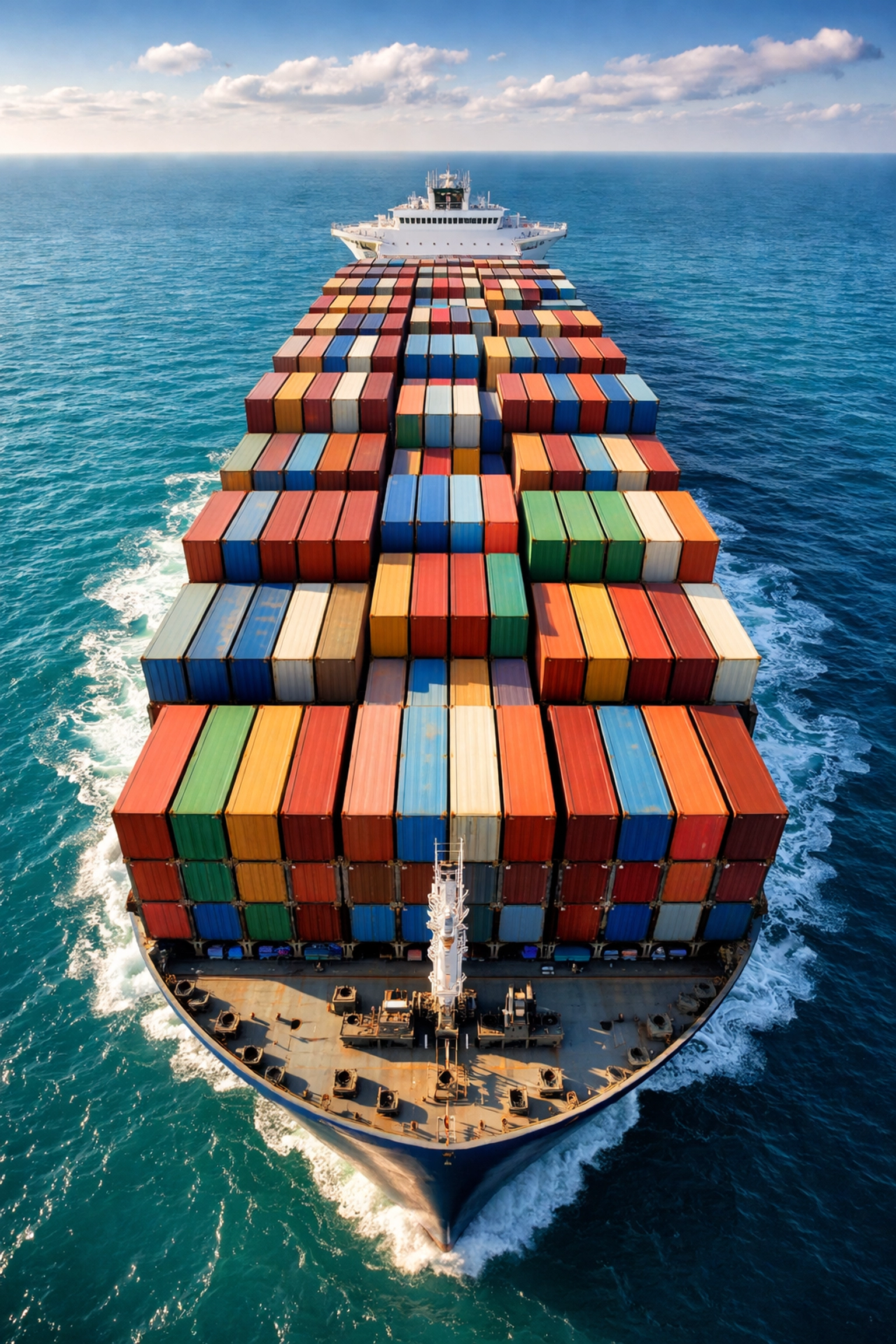
How to Calculate What You Need
Alright, here's where it gets practical. Before you book your ocean freight services, you'll want to figure out two things:
- Total volume of your cargo (in cubic feet or cubic meters)
- Total weight of your cargo (in pounds or kilograms)
Once you have those numbers, compare them to the container specs above. If your volume fits comfortably in a 20ft but your weight is under 44,000 lbs, you're golden with the smaller option. If your volume exceeds 1,170 cubic feet but your weight is manageable, step up to the 40ft.
And if you're not sure? That's literally what we're here for. Our team at PSI Global Logistics can help you calculate the best fit based on your specific shipment.
Common Mistakes to Avoid
After years of helping shippers get their cargo where it needs to go, we've seen a few mistakes come up again and again:
1. Overloading a 20ft container
Yes, it can handle a lot of weight: but road and rail regulations in some countries have stricter limits. Always check the weight restrictions for your destination.
2. Underutilizing a 40ft container
Paying for all that space and only filling half of it? That's money left on the table. Consider consolidating shipments or sharing container space (LCL) if you don't have enough cargo.
3. Forgetting about cargo securing
A half-empty container means cargo can shift during transit. Make sure everything is properly secured, strapped, or palletized to prevent damage.
4. Not accounting for packaging
Your products might fit perfectly: but once you add pallets, crates, and protective packaging, the numbers change. Always calculate with packaging included.
Need Help Choosing? We've Got You
Look, we get it. Shipping internationally can feel overwhelming, especially when you're trying to figure out container types and sizes for the first time. But here's the thing: you don't have to figure it out alone.
At PSI Global Logistics, we specialize in ocean freight services from Houston to destinations across Africa and beyond. Whether you're shipping a single 20ft container or coordinating multiple 40ft loads, our team is here to make the process smooth and stress-free.
Have questions about which container size is right for your cargo? Want a quote for your next shipment? Reach out to us: we're always happy to help.
8718 WESTPARK DR, HOUSTON, TX 77063
713-589-2925
INFO@PSISHIPPING.COM
Here's to smooth sailing and perfectly sized containers. 🚢

Leave A Comment