8718 WESTPARK DR, HOUSTON, TX 77063
713-589-2925
In the blink of an eye, the world of global trade has shifted from dusty paper ledgers to hyper-fast digital ecosystems. Yet, here we are in 2026, and a single typo in a five-letter code can still bring a multi-million dollar shipment of heavy machinery to a screeching halt at the Lagos gates. It’s been another fast and busy year for us here at PSI Global Logistics, and if there’s one thing we’ve learned, it’s that the smallest details often carry the heaviest weight.
Please accept apologies in advance if I get a bit "nerdy" about logistics documentation, at least in my opinion, it’s the most underrated part of the entire supply chain. While everyone else is looking at the size of the ships or the roar of the cranes, we’re looking at the strings of text that tell the Nigeria Customs Service (NCS) exactly where your cargo belongs. We’re talking about International Sea Port Codes, specifically the UN/LOCODE system.
So, without further adieu, let's dive into why these codes are essentially the "GPS coordinates" for your customs clearance success.
What are international sea port codes?
International sea port codes, or UN/LOCODEs, are five-character geographic identifiers developed by the United Nations to standardize trade locations globally. They consist of a two-letter country code (like NG for Nigeria) followed by a three-letter location identifier (like APP for Apapa), ensuring every shipping terminal is uniquely identified in global logistics databases.

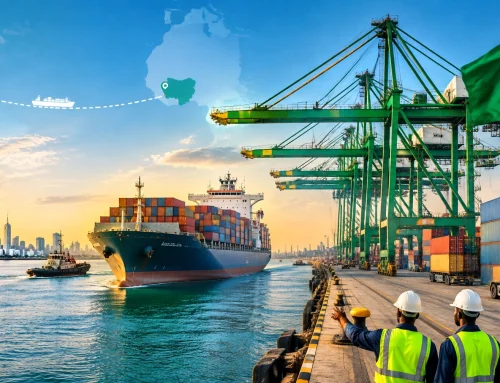
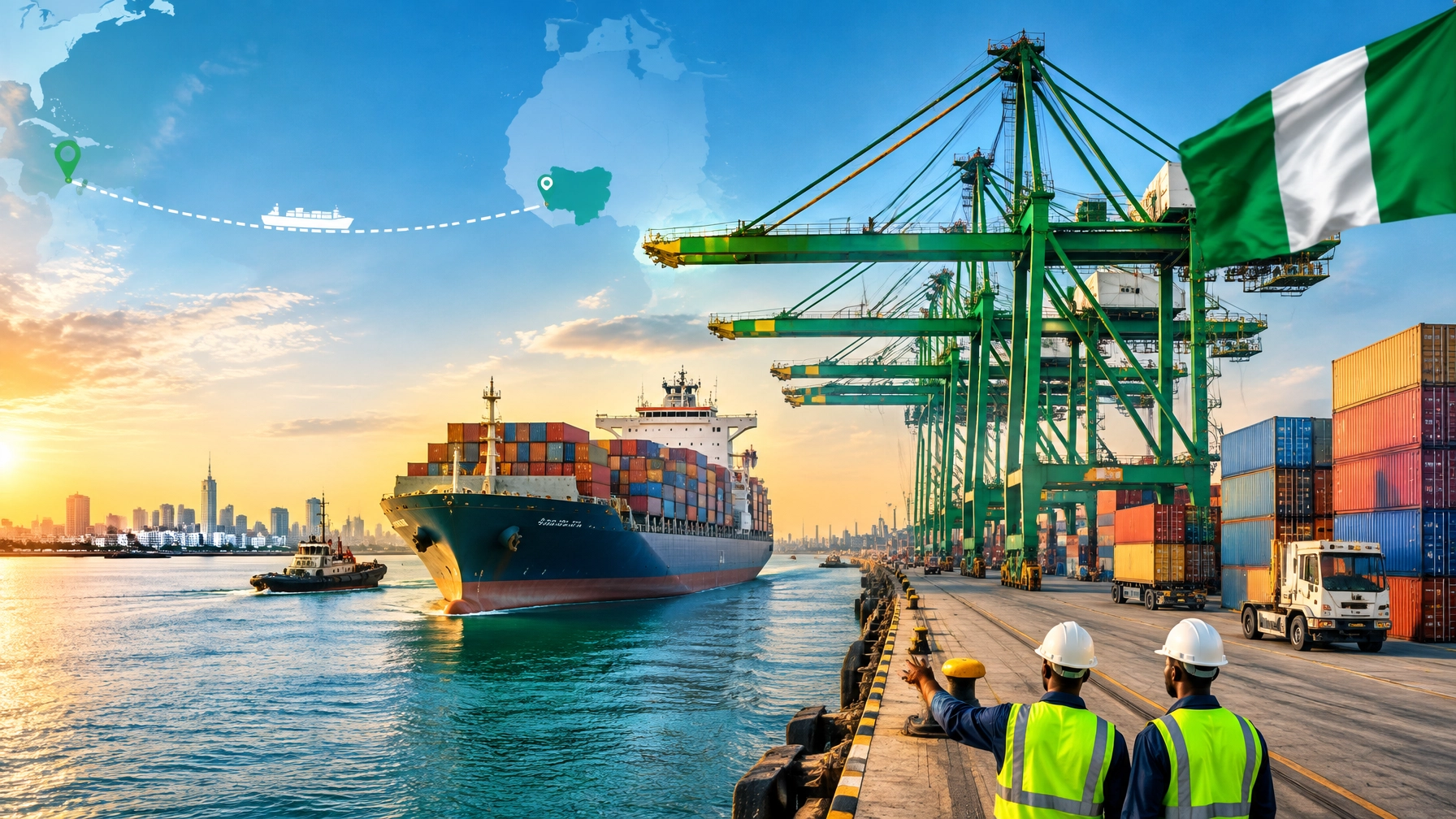
It goes without saying that if you’re shipping from Houston to Lagos, you can't just write "Lagos Port" on your bill of lading and hope for the best. To be sure, Lagos is a massive hub with multiple distinct terminals, each governed by different customs commands. Using a generic term is a one-way ticket to a "Request for Information" (RFI) from a customs officer, which is a polite way of saying your cargo isn't moving anywhere today.
The UN/LOCODE system acts as the universal language of the sea. Whether you are using our ocean freight services or managing a complex project cargo move, these codes are the bedrock of your Electronic Data Interchange (EDI) messages.
Why are port codes critical for Nigeria customs?
Port codes are critical for Nigeria Customs because they determine the specific Customs Command responsible for your shipment’s assessment and release. Using the correct code ensures that your Form M and Pre-Arrival Assessment Report (PAAR) align perfectly with the cargo manifest, preventing system mismatches that trigger manual audits and inspections.
Why does this matter so much in the Nigerian context? Well, consider the sheer volume of trade passing through the Lagos Port Complex. Nigeria’s customs clearing process is heavily digitized through platforms like the Nigeria Integrated Customs Information System (NICIS II). These systems are "logic-driven." If your manifest says the destination is NG TIN (Tin Can Island) but your shipping documents say NG APP (Apapa), the computer simply says "No."
When the computer says no, humans have to get involved. And while we love our colleagues in the logistics sector, human intervention usually means time. How will it be funded? Through your demurrage fees, unfortunately. Stay tuned, because we’ll talk about those costs in a moment.
Can a wrong port code cause shipping delays?
Yes, a wrong port code is a leading cause of shipping delays, often resulting in administrative holds while manifests are amended. These errors can stop the issuance of a PAAR, delay the release of cargo from the terminal, and lead to significant daily demurrage charges ranging from $500 to over $5,000.
But either way, delays aren't just about time; they are about cold, hard cash. In Nigeria, once your "free days" at the port expire, the meter starts running. We’ve seen businesses lose a significant portion of their profit margins simply because a port code was misidentified during the procurement phase.
Additionally, mis-coding a port can misdirect a shipment in the risk management engine. Customs authorities apply different risk rules to different ports based on current security levels or trade volumes. If your code is wrong, your cargo might be flagged for a physical 100% inspection purely because the system couldn't verify its destination routing. It’s an avoidable headache that we specialize in preventing.
Which Nigerian port codes should you know?
The most essential Nigerian port codes include NG APP for Apapa (Lagos Port Complex), NG TIN for Tin Can Island, and NG ONN for Onne Port in Rivers State. Other important codes include NG PHC for Port Harcourt and NG OKR for the Okrika terminal, each serving different cargo types and regions.

At PSI Global Logistics, we handle a lot of shipments destined for the oil and gas sector, which often requires routing through NG ONN (Onne). Onne is a specialized Free Trade Zone and requires very specific documentation compared to the general cargo terminals in Lagos.
What’s more, if you are shipping automotive parts or retail goods, you’ll likely be looking at NG TIN or NG APP. Understanding the geography of these codes is the first step in a successful shipping strategy.
How does PSI Global Logistics manage port code accuracy?
PSI Global Logistics manages port code accuracy through a rigorous documentation review process and automated verification systems. Our experts cross-reference every Bill of Lading, Form M, and manifest against official UN/LOCODE databases before shipment, ensuring complete data synchronization to facilitate immediate pre-arrival assessment and rapid customs clearance.
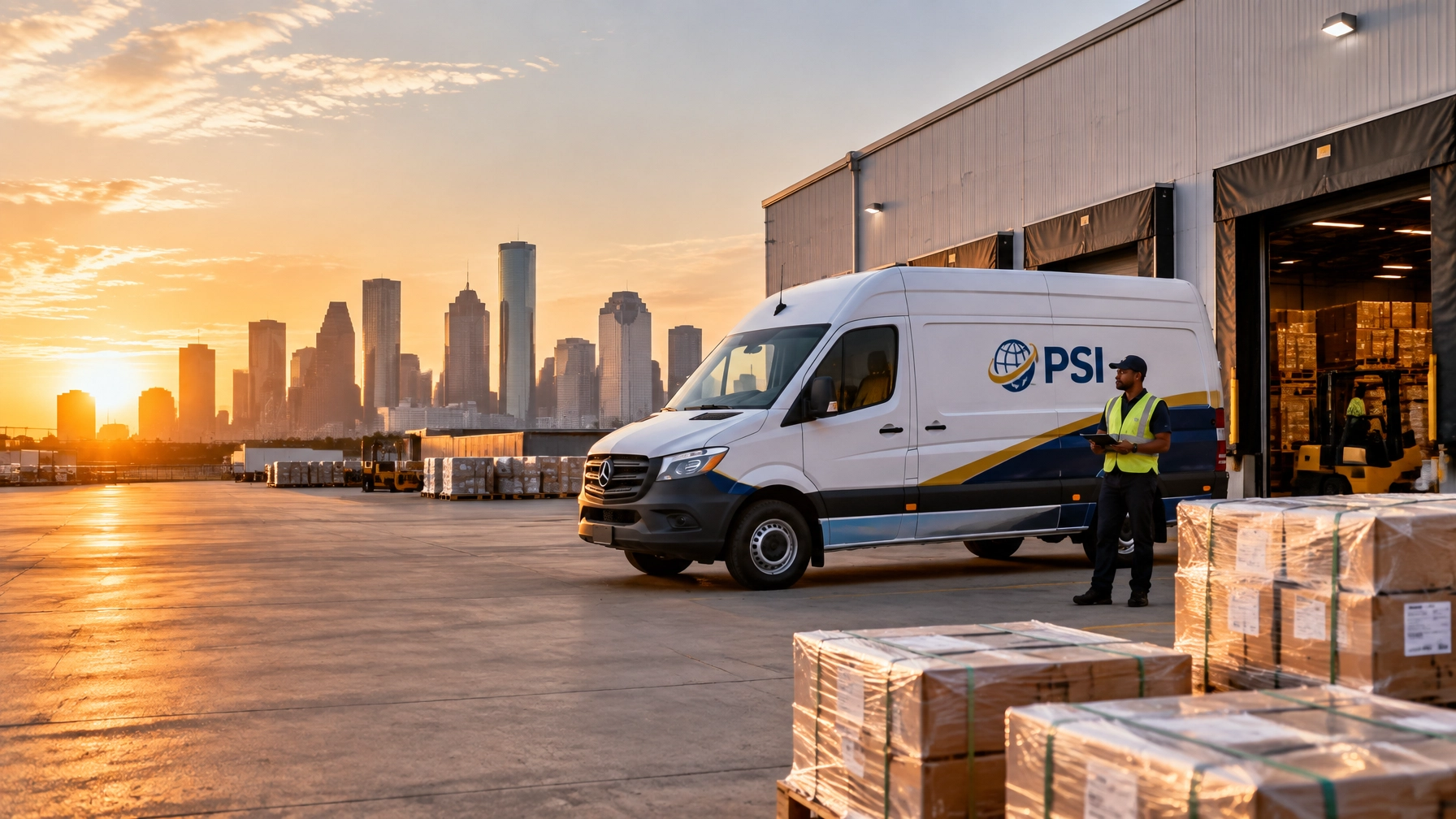
We don't just "guess and press." Our team at 8718 WESTPARK DR, HOUSTON, TX 77063 understands that our clients rely on us to be the experts. That’s why we offer complimentary Houston air cargo pickup and expert documentation services. We take the complexity out of the equation so you can focus on growing your business.
We even provide an instant live tracking system so you can see exactly where your cargo is in real-time. If there is ever a query from customs, our proactive support team is already on it before you even have to ask.

The Financial Impact of Precision
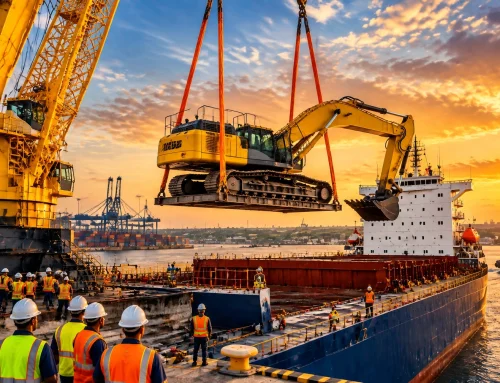
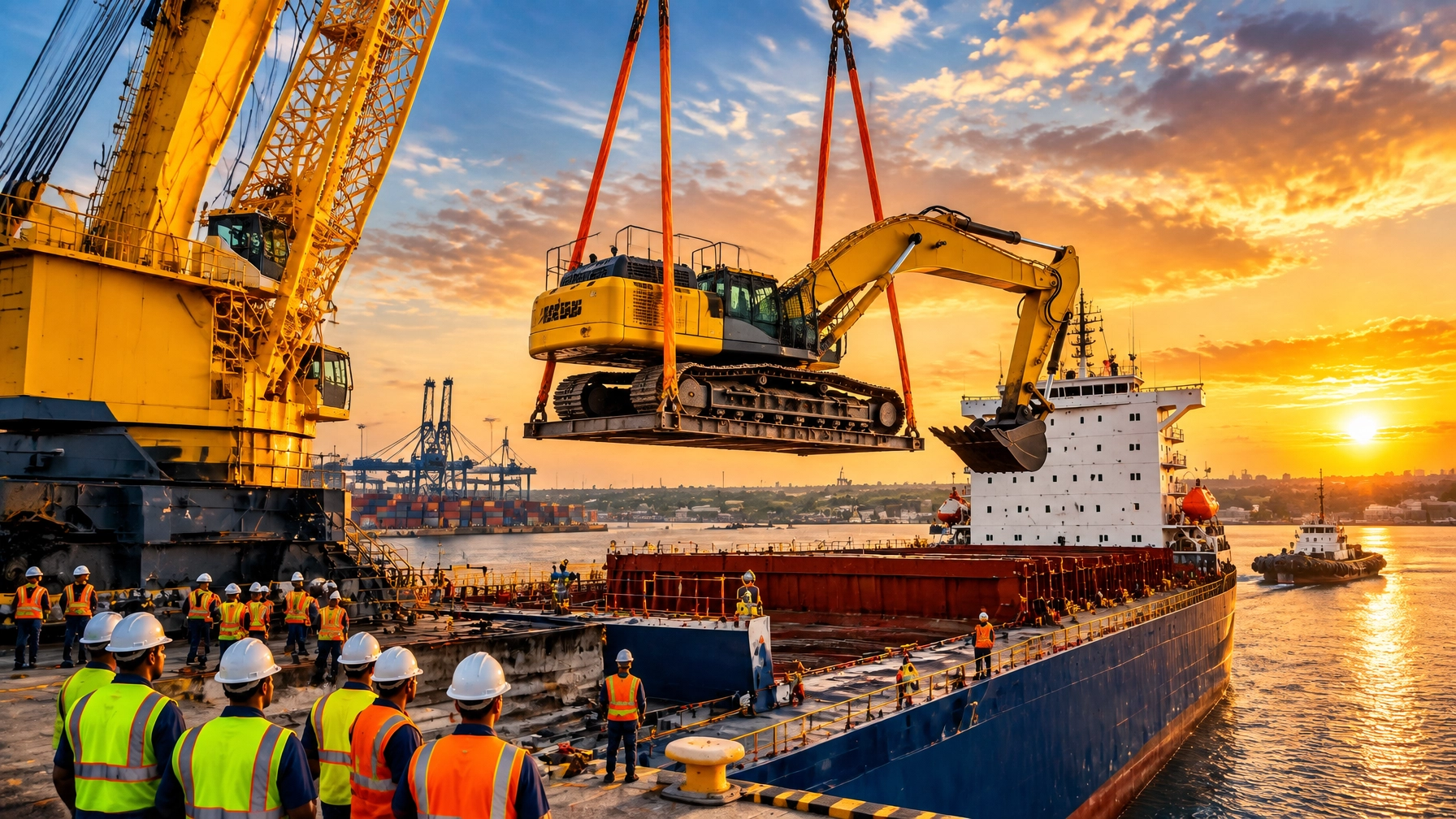
It will certainly be an interesting development to watch as Nigeria continues to modernize its port infrastructure. But even with the newest cranes and deepest berths, data remains king. For a business shipping heavy machinery, a specialty of ours, a delay of just five days can cost upwards of $10,000 in combined port and shipping line charges. By ensuring the port code is correct from day one, we effectively save our clients thousands of dollars in hidden costs.
Our Commitment to You
We’re a full-service international freight forwarder and 3PL company specializing in global supply chain solutions. Whether it's air freight that's secure and modern or ocean freight managed by experts, we pride ourselves on being your boots on the ground (and your eyes on the paperwork).

FAQ: Everything You Need to Know About Nigeria Port Codes
Q: Where can I find the official list of Nigeria port codes?
A: The official list is maintained by the United Nations Economic Commission for Europe (UNECE) as part of the UN/LOCODE database. You can search for "Nigeria" to see the latest 2025-2026 updates.
Q: Can I change the port code after the ship has departed?
A: It is possible but difficult. It requires a "Manifest Amendment," which involves a fee and approval from both the shipping line and Nigeria Customs. It's always better to get it right before the ship leaves Houston.
Q: Does every inland depot in Nigeria have a code?
A: Yes, many Inland Container Depots (ICDs) like Kaduna or Kano have their own UN/LOCODE identifiers (e.g., NG KAD). Using these is essential for "multimodal" shipping.
Q: Why does my Bill of Lading have a different code than my Form M?
A: This is a major red flag. Both documents must match perfectly. If they don't, you will likely face a rejection during the PAAR processing stage.
Q: Who is responsible for providing the port code?
A: While the shipper provides the destination address, your freight forwarder (like PSI Global) is responsible for ensuring the correct UN/LOCODE is applied to the official shipping documents.
In closing, I’d like to humbly acknowledge that while I’ve covered the "big hitters" like Apapa and Onne, the world of Nigerian logistics is vast. There are smaller terminals and specialized jetties that I haven't mentioned here, but our team is well-versed in all of them. If you have a specific destination in mind or a complex cargo requirement, give us a call at 713-589-2925. We’re here to make sure your logistics are as seamless as possible.

Leave A Comment