PSI GLOBAL LOGISTICS
8718 WESTPARK DR, HOUSTON, TX 77063
CONTACT: +1 (713) 589-2925
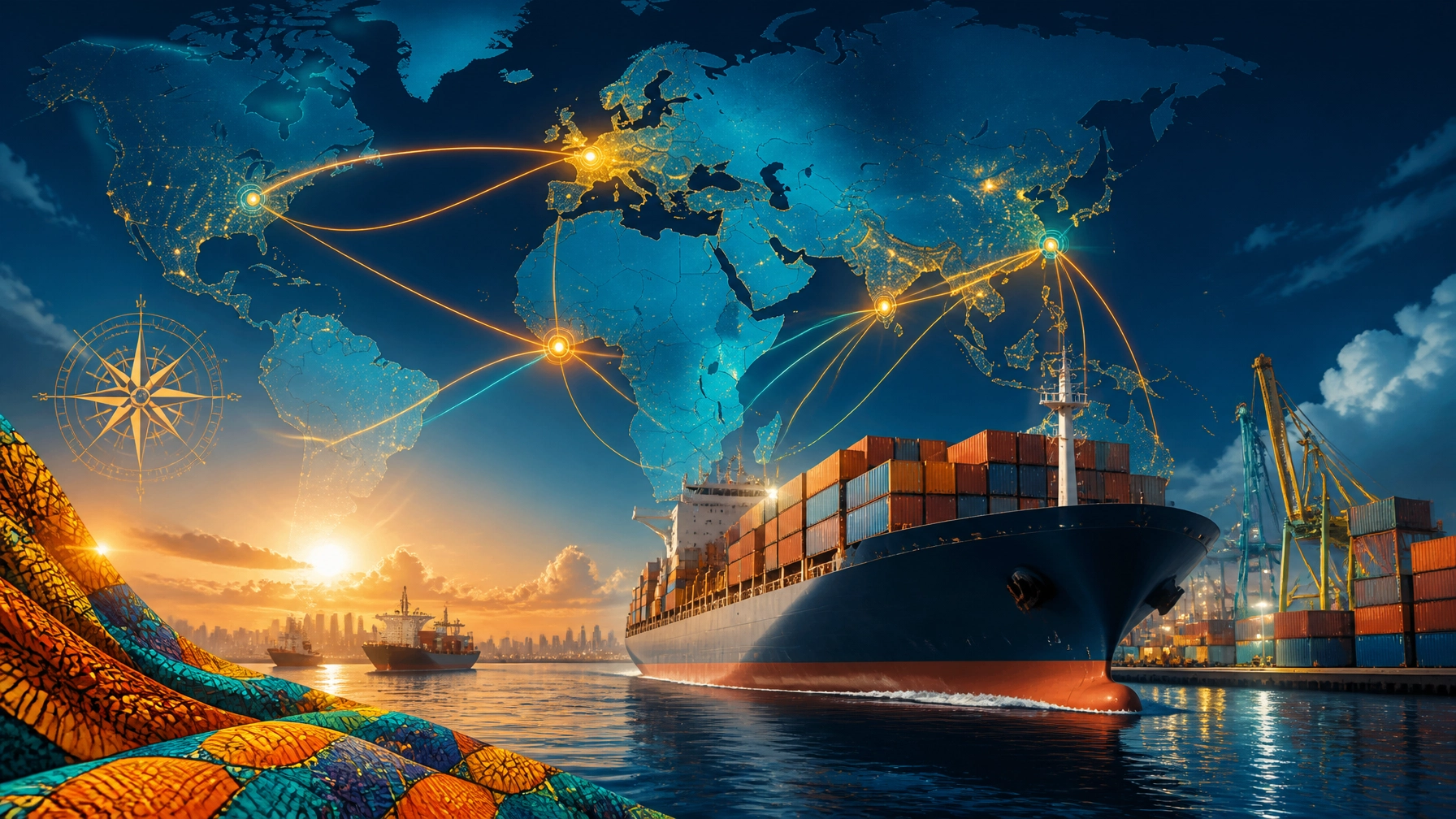
In the blink of an eye, we are already halfway through 2026. It has been another fast and busy year for the global supply chain, and if you feel like you’re constantly running to keep up with the shifting tides of international shipping, you’re certainly not alone. Between new trade routes opening up and the sheer speed of technological advancement at our major seaports of the world, it is a lot to digest.
At PSI Global Logistics, we spend our days (and sometimes our nights, if we're being honest) tracking these changes so you don't have to. Why? Because the depth of a berth in Shanghai or the automation speed in Lagos can be the difference between your cargo arriving on time or sitting in a digital "waiting room" for weeks.
So, without further adieu, let’s dive into the state of global shipping in 2026 and look at why the modernization of an international seaport thousands of miles away might be the best news your Houston-based business has heard all year.
The Global Heavyweights: 2026 Port Rankings
It goes without saying that the dominance of Asian ports continues to define the maritime landscape. When we look at the rankings for container throughput this year, the numbers are, quite frankly, staggering. While final audited figures for the full year 2026 won't be out until early 2027, the trailing twelve-month data gives us a very clear picture of who is leading the pack.
1. Port of Shanghai, China
Still the undisputed king. Shanghai has surpassed the 51 million TEU (Twenty-foot Equivalent Unit) mark. With its fully automated Phase IV terminal at Yangshan, it’s less of a port and more of a self-thinking organism.
2. Port of Singapore
Singapore remains the world’s premier transshipment hub. It’s not just about the ~40 million TEU they handle; it’s about the efficiency. Their "Tuas Next-Generation Port" is now a global case study in green logistics.
3. Ningbo-Zhoushan, China
Rounding out the top three, this port continues to benefit from its massive bulk handling capabilities and its proximity to the manufacturing heartland of the Yangtze River Delta.
But what about the rest of the world? While ports like Rotterdam, Antwerp-Bruges, and Los Angeles/Long Beach remain critical, the real story of 2026 is the emergence of modernized hubs in developing markets. Specifically, we are seeing a massive shift in West Africa.

The Nigeria Pivot: Why Lekki is Changing the Game
For years, shipping to Nigeria was, to put it mildly, a test of patience. We’ve all heard the stories, and some of us have lived them, of ships waiting weeks to berth at Apapa or Tin Can, and the hair-pulling frustration of port congestion. But please accept apologies in advance if I sound a bit too optimistic, because at least in my opinion, we are witnessing a genuine revolution.
The Lekki Deep Sea Port is no longer just a "project" we talk about in the future tense; it is the heartbeat of Nigerian trade in 2026. With a draft depth of roughly 16.5 meters, it can now accommodate the "Mega-Max" container ships that carry upwards of 18,000 TEU.
Why does this matter for your Houston business?
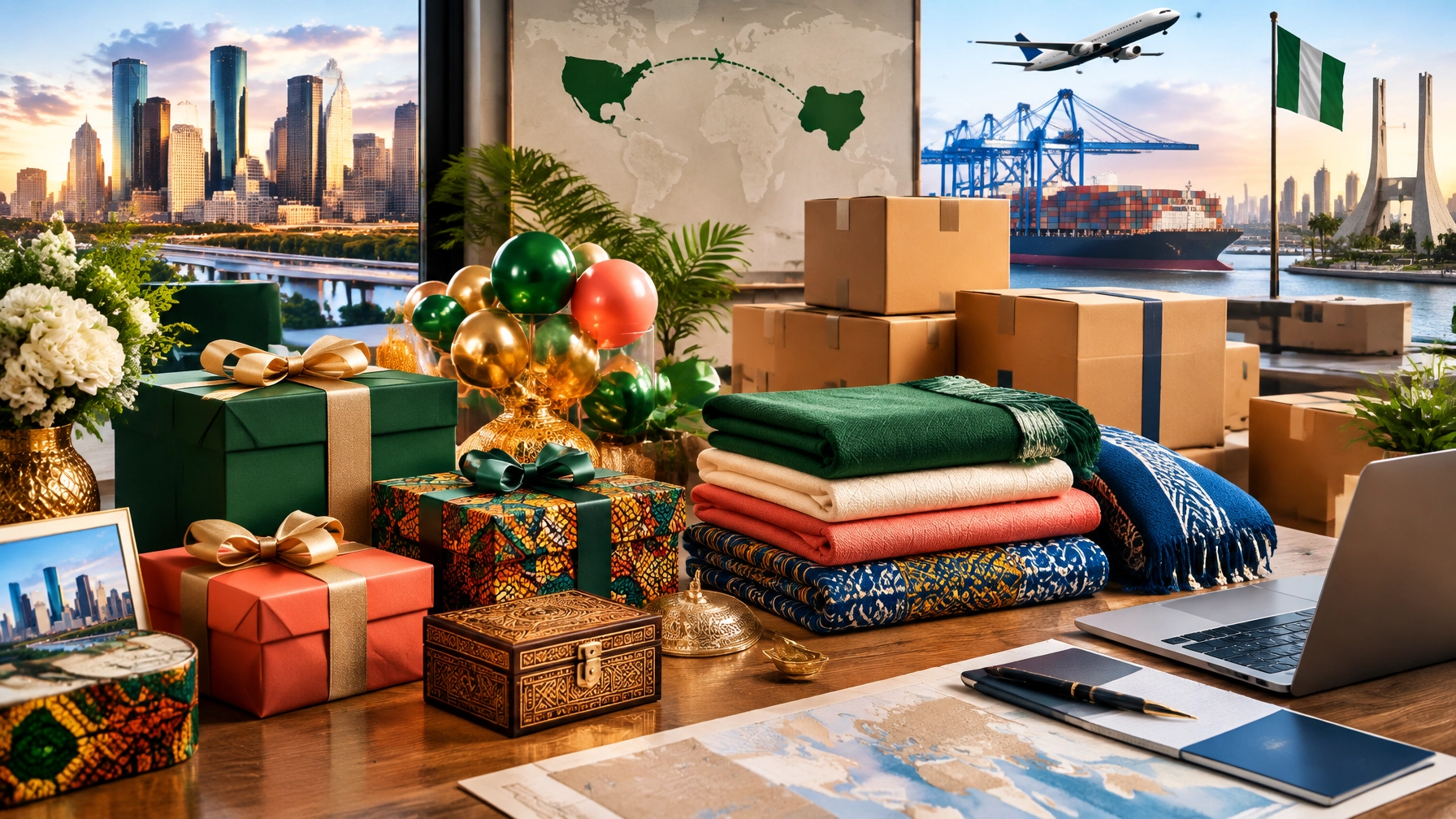
How does a port in the Lagos Free Zone affect a warehouse in Texas? To be sure, the connection is direct.
- Direct Sailings: Previously, many shipments from the US Gulf Coast had to be transshipped through European or other African hubs (like Lomé or Tema) because Nigerian ports couldn't handle the larger vessels. Today, more carriers are offering direct or near-direct strings from the US to Lekki.
- Speed of Clearance: Nigeria’s new National Single Window and the Port Community System (PCS) have digitized the bureaucracy. We are seeing clearance times drop from weeks to a range of 48 to 72 hours for properly documented cargo.
- Reduced Costs: Bigger ships mean better slot costs. When we can move more volume on a single vessel, the per-unit cost of shipping drops.
What’s more, the modernization isn't limited to Lekki. The legacy ports of Apapa and Tin Can are undergoing a $1 billion rehabilitation. While Tin Can remains the primary hub for Ro-Ro (Roll-on/Roll-off) vehicle shipments, the overall decongestion of the Lagos area is making the entire region more accessible.
Navigating the Houston-to-Nigeria Corridor
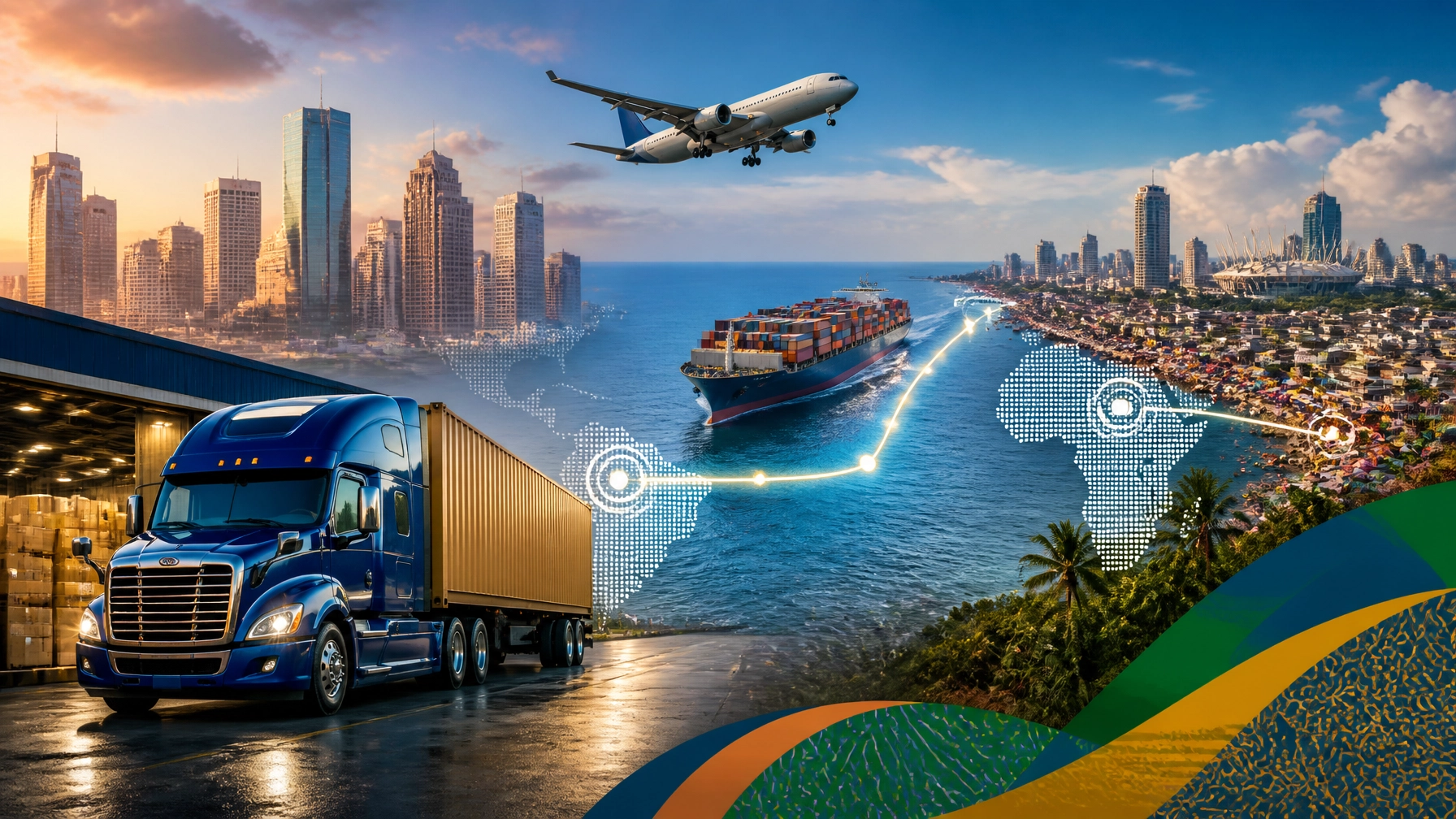
At PSI Global Logistics, we specialize in this specific trade lane. We know that shipping heavy machinery from a Houston yard to an oil field in Port Harcourt isn't just about putting a box on a boat. It’s about the expertise that happens before the ship even leaves the port.

Exceptional Houston-Based Support
One of our key differentiators is that we are right here with you. Our headquarters at 8718 Westpark Dr serves as the nerve center for your global operations. We offer:
- Complimentary Houston Air Cargo Pickup: For those urgent spares that can’t wait for a ship.
- Expert Documentation Services: In the world of 2026, a single error on a digital manifest can trigger a system-wide flag. Our team ensures your paperwork is "Lekki-ready" before the cargo even arrives at the terminal.
- Real-Time Tracking: Our modern, fully automated systems provide instant live updates. You’ll know exactly where your cargo is, whether it’s crossing the Atlantic or being offloaded by an automated crane in Lagos.
The Reality Check: Is it all Smooth Sailing?
It would be remiss of me to suggest that international shipping is without its challenges. To be sure, macroeconomic factors and fluctuating exchange rates in Nigeria still play a role in how business is conducted. Additionally, while the ports are modernizing, inland infrastructure is still catching up.
How will these infrastructure gaps be funded? Stay tuned, it will certainly be an interesting development to watch as the Nigerian government pushes for better rail and barge integration. But either way, the progress made at the international seaports level is a massive leap forward.
Why PSI is Your Best Choice for Ocean Freight
We handle the complexity so you don't have to. Whether you are shipping critical business freight or heavy industrial equipment, our focus is on delivering "on time and in perfect condition."
We offer:
- Comprehensive 3PL Solutions: From procurement to inventory management.
- Secure Ocean Freight: Managed by experts who understand the nuances of both the Port of Houston and the major seaports of the world.
- Express Freight: For when "standard" just isn't fast enough.

Closing Thoughts
As we look toward the remainder of 2026, the message for businesses is clear: the world is getting smaller, and the ports are getting smarter. The shift toward deep-sea capabilities in Nigeria represents a "new era" of trade for West Africa, and for our clients in Houston, it opens doors that were previously jammed by congestion and high costs.
Please accept our apologies if this post didn't cover every single international seaport on your radar: with hundreds of ports globally, we'd be here until 2027! But if you have questions about a specific route or need help navigating the new requirements for Lekki, we are here to help.
Are you ready to optimize your supply chain for the 2026 landscape? Reach out to us today.
PSI GLOBAL LOGISTICS
8718 WESTPARK DR, HOUSTON, TX 77063
+1 (713) 589-2925
Explore our services at psishipping.com




Leave A Comment