
PSI GLOBAL LOGISTICS – 8718 WESTPARK DR, HOUSTON, TX 77063 | PHONE: 1-713-589-2925 | EMAIL: INFO@PSISHIPPING.COM
In the blink of an eye, the global marketplace has shifted. One day we’re looking at local suppliers, and the next, we’re sourcing components from halfway across the world. Here we are, navigating a landscape where the speed of a click needs to be matched by the speed of a container, or a cargo plane. It’s been another fast and busy year for those of us in the logistics trenches, and the question we hear most often at PSI Global Logistics is a classic: "Should I ship this by air or by sea?"
It seems like a simple choice, right? One is fast, one is cheap. But as anyone who has managed a supply chain knows, the "simple" choices are usually the ones that keep you up at night. So, without further adieu, let’s dive into the great debate of air vs. ocean freight services to help you decide which path your cargo should take.
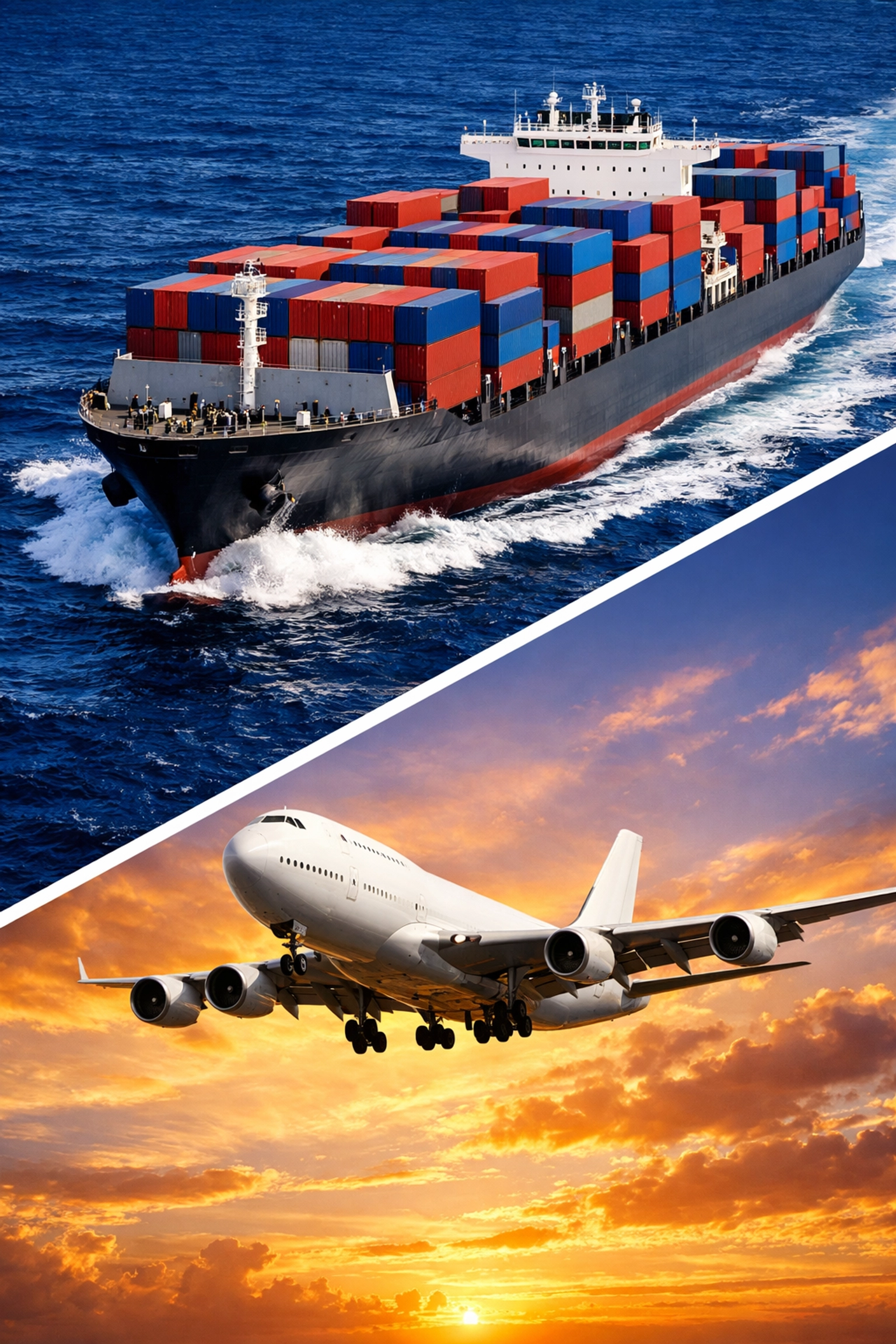
The Need for Speed: Why Air Freight Services Rule the Skies
When we talk about air freight services, we’re talking about the gold standard of speed. In a world where "just-in-time" inventory isn't just a buzzword but a survival strategy, air freight is the literal engine driving high-stakes commerce.
Most air shipments arrive within 2 to 4 days. If you’re lucky and the customs gods are smiling, it can even be a 24-hour turnaround. Why does this matter? Because in industries like telecommunications logistics or high-end retail, being three weeks late is the same as not showing up at all.
However, and please accept apologies in advance for being the bearer of bad news regarding your budget: this speed comes with a premium price tag. Currently, air freight typically costs anywhere from $6.00 to $9.50 per kilogram. To put that into perspective, as a general rule of thumb, you should probably only be looking at the skies if your shipping costs represent less than 15-20% of the total shipment value.

What’s more, air freight offers a level of security and reliability that is hard to beat. Because planes move on tight schedules with high-frequency flights, the window for theft or damage is significantly narrowed. If you miss a flight, there’s usually another one leaving in a few hours. It’s predictable, it’s precise, and at least in my opinion, it’s the only way to handle high-value electronics or urgent medical supplies.
The Steady Giant: The Power of Ocean Freight Services
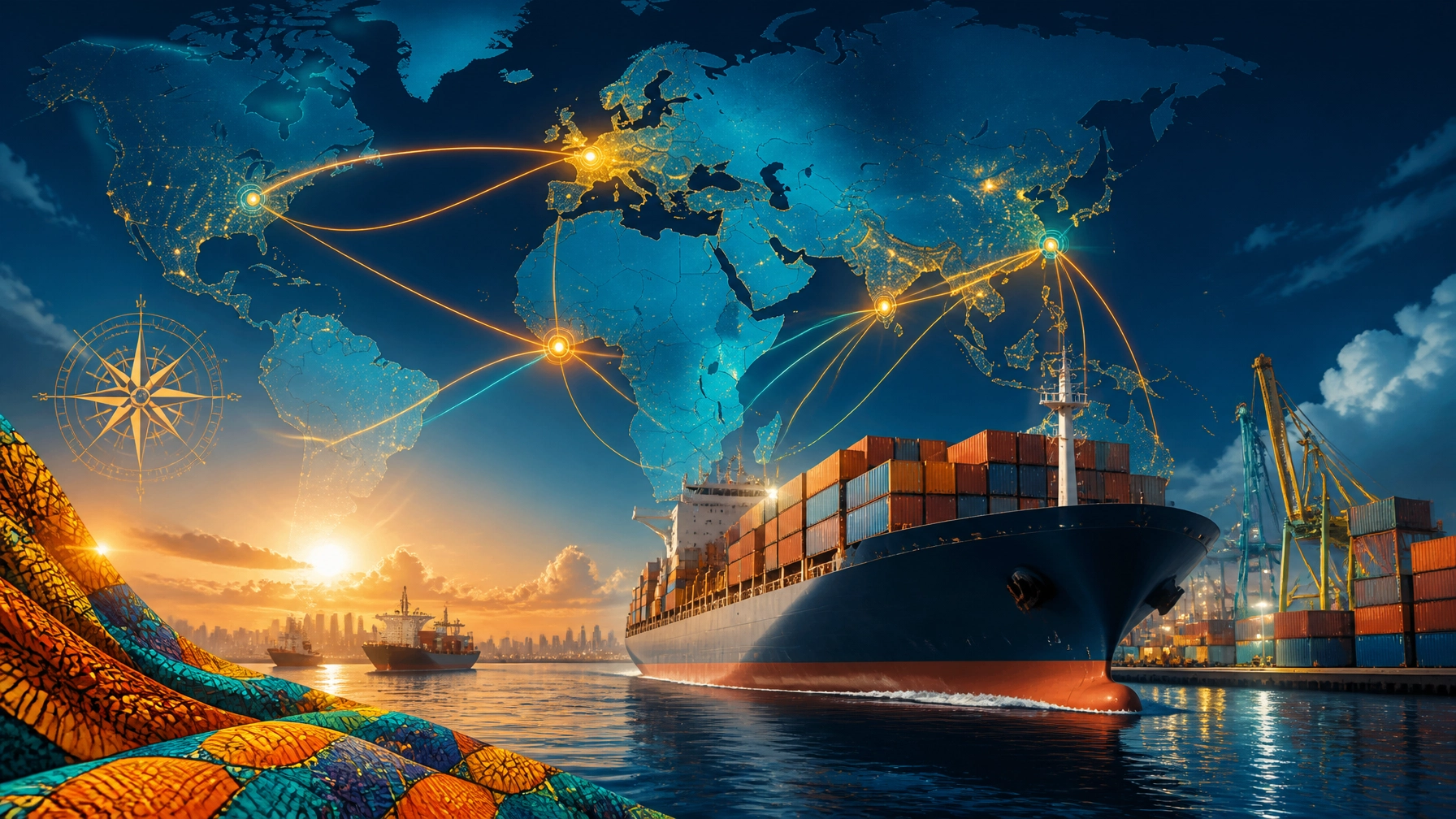
If air freight is the sprinter, ocean freight services are the marathon runners. They are the backbone of international shipping, carrying roughly 90% of the world's goods. If you are moving heavy machinery, bulk commodities, or a massive inventory of automotive parts, the ocean is your best friend.
The cost savings here are, frankly, staggering. We’re looking at ranges from $100 to $260 per cubic meter for Less than Container Loads (LCL). If you’re filling a 40-foot container (FCL), you might see costs between $4,800 and $6,800. Compared to the per-kilogram rates of air travel, the ocean is a budget-saver's dream.
But: and it’s a big "but": you need to be patient. We’re talking weeks, not days. Standard ocean shipments take anywhere from 22 to 45 days. You also have to factor in the "lead time." While you can drop off air cargo a day before the flight, ocean cargo often needs to be at the port a week in advance.
It goes without saying that ocean freight is also the more environmentally conscious choice. If your company is keeping an eye on its carbon footprint, moving goods by sea produces significantly fewer emissions per ton-mile than air transport. It’s a win for the planet and a win for your bottom line, provided you aren't in a rush.
Breaking Down the Decision Matrix
How do you actually choose? It’s not always a clear-cut "this or that." Sometimes the answer lies in the middle. To be sure, you have to weigh four key factors:
1. Cost vs. Value
Are you shipping gold bars or garden gnomes? If the product value is high and the weight is low, air is the way to go. If you’re shipping 10,000 beer bottles (which, by the way, fits into a single container), the air freight bill would likely exceed the value of the beer itself.
2. The Weighty Issue
Ocean freight is better suited for heavy or bulky shipments, specifically anything over 500 kg. Air freight charges based on "dimensional weight": meaning if your cargo takes up space but doesn't weigh much, you still pay as if it were heavy. The ocean is much more forgiving of large construction materials.
3. Reliability and Timelines
Airplanes are rarely delayed by more than a day. Ships, however, are at the mercy of port congestion, weather, and the occasional canal blockage. If your client has a hard "must-arrive" date for a product launch, can you afford a three-week delay?
4. Destination Accessibility
Is your destination landlocked? Shipping to a port is great, but if your final destination is deep in the interior of a continent, the "last-mile" trucking from the port might eat up all the savings you gained by choosing the sea.
The Emerging Middle Ground: Expedited LCL
Interestingly, the gap between air and sea is narrowing. We’re seeing a rise in "Express LCL" services. These are ocean services that use faster routes and priority unloading to get cargo across the water in 12 to 20 days. It’s twice as fast as standard ocean freight and significantly cheaper than air.
At PSI Global Logistics, we often suggest this as a "sweet spot" for businesses that have moved past the emergency phase but still need to maintain a lean inventory. It will certainly be an interesting development to watch as global trade routes continue to evolve, especially with shifts like the US-Nigeria fuel trade changes.
Why Partner with PSI Global Logistics?
Handling global logistics isn't just about picking a mode of transport; it’s about managing the complexity that comes after that choice. Whether you need a specialized air charter for an urgent oil rig part or a complex sea-freight strategy for oil and gas equipment, we’ve got the boots on the ground to make it happen.
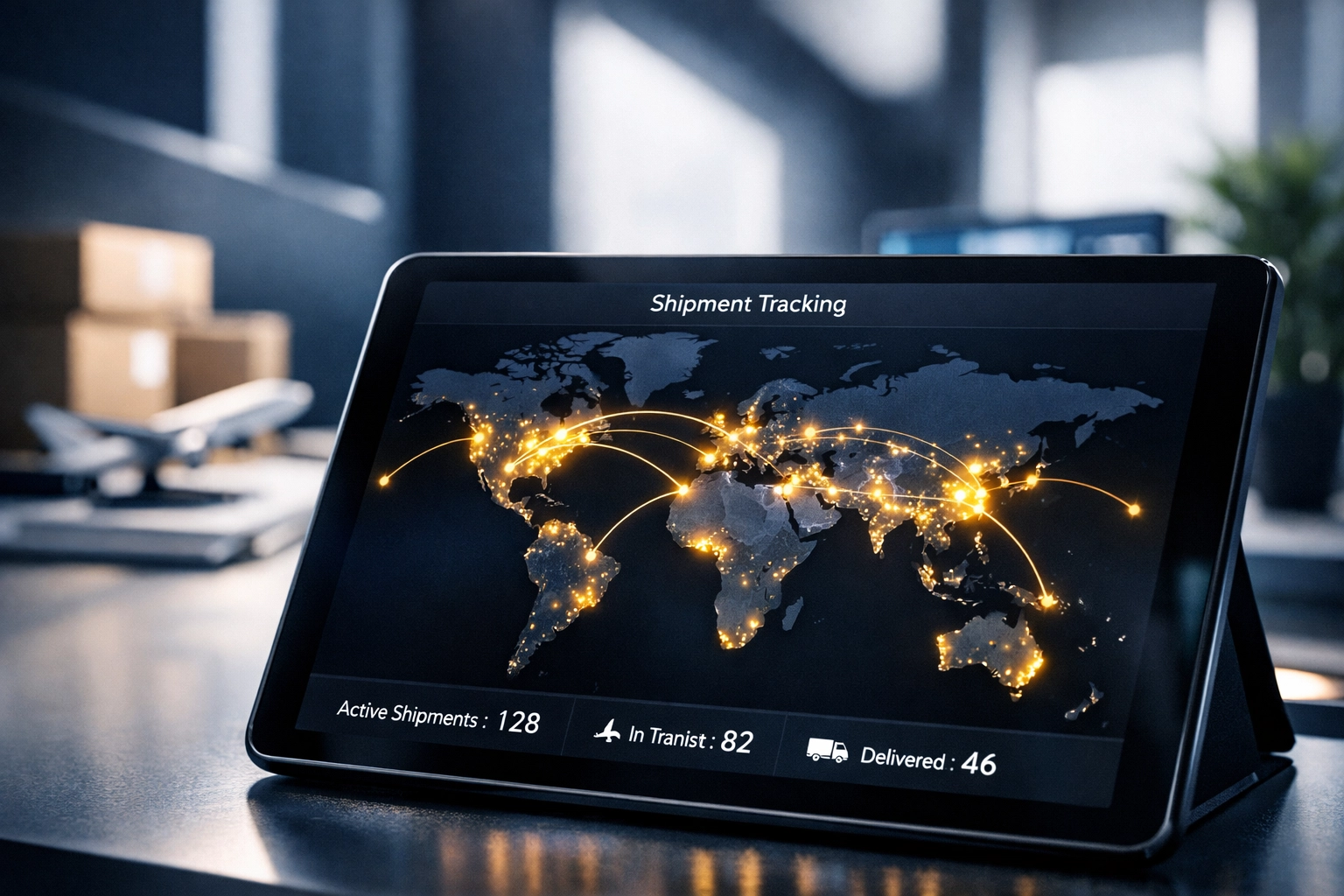
We pride ourselves on providing customized solutions because we know no two businesses are the same. Need to track your shipment in real-time to ease your mind? Our instant live tracking keeps you in the loop 24/7.
Final Thoughts: Finding Your Flow
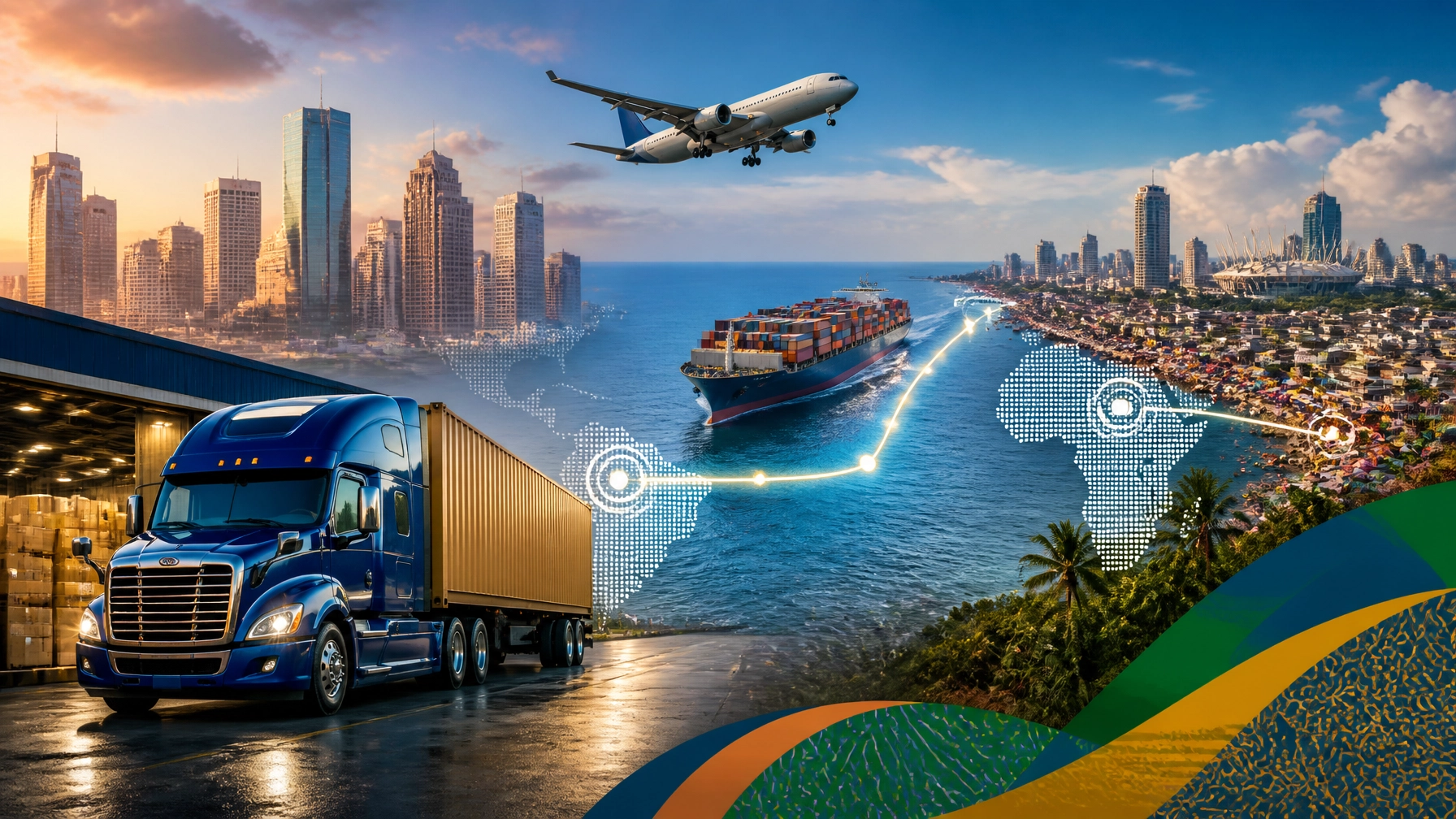
Choosing between air and ocean freight doesn't have to be a headache. It’s about looking at your calendar, your ledger, and your customer’s expectations. Sometimes you’ll need the speed of the clouds; other times, the steady rhythm of the waves is exactly what your budget needs.
If you’re still feeling unsure: and who wouldn't be with the current state of global shipping?: reach out to us. We’ve spent years mastering the world's major seaports and airport hubs so you don't have to.
I may have missed a few niche scenarios: logistics is a vast world, after all: but hopefully, this breakdown gives you a solid starting point for your next big shipment. How will your next cargo move? Stay tuned to your own data, or better yet, let us help you analyze it.
Ready to get started? Ship with us today and experience the PSI difference. Whether by air or by sea, we’ll get it there.





Leave A Comment