
8718 WESTPARK DR, HOUSTON, TX 77063
713-589-2925
INFO@PSISHIPPING.COM
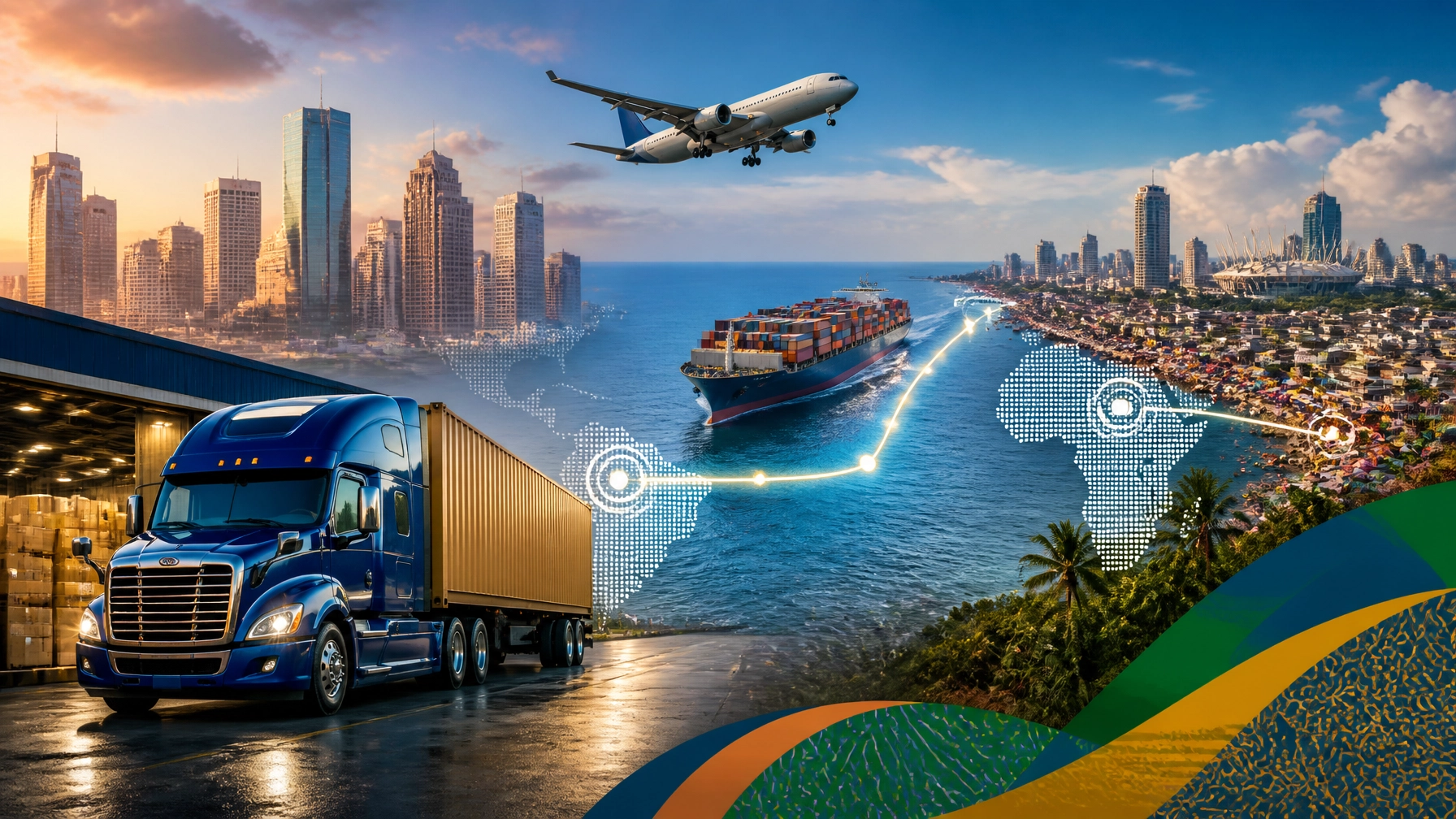
In the blink of an eye, the logistics industry has transformed from a world of phone calls, paper manifests, and "your shipment is somewhere in transit" updates to one where you can watch your cargo move across the globe in real time. And honestly? There's no going back.
Live tracking isn't just a nice-to-have feature anymore: it's become the baseline expectation for modern freight forwarding. Whether you're shipping heavy machinery across the Pacific or critical business freight to emerging markets, the question isn't whether you have real-time visibility. It's how good your visibility actually is.
The Business Case Is Crystal Clear
Let's talk numbers for a moment, because the data tells a compelling story. Real-time visibility systems are delivering measurable outcomes that directly impact the bottom line. We're seeing delays reduced by up to 58%, operational costs cut by roughly 15%, and customer claims lowered by about 25%. Those aren't marginal improvements: they're game-changing shifts in how efficiently global supply chains operate.

What's more, these benefits compound across every touchpoint in the logistics chain. When you can see exactly where a container is, when it cleared customs, or if weather is affecting its route, you're no longer reacting to problems after they've already cost you time and money. You're anticipating them. Managing them. Solving them before they escalate.
At PSI Global Logistics, our fully automated air and ocean freight systems integrate live tracking data at every stage. From the moment your shipment leaves our Houston facility until it reaches its final destination: whether that's Lagos, Mumbai, or anywhere in between: you're never in the dark.
The Customer Experience Revolution
Here's the thing about modern logistics: your customers don't just want their cargo to arrive on time. They want to know it's going to arrive on time. They want updates. They want transparency. They want precise ETAs, not vague delivery windows that force them to keep staff waiting or delay their own operations.
Real-time tracking delivers exactly that kind of peace of mind. Instead of generic "shipment in transit" notifications, customers receive dynamic arrival times that become more accurate as the delivery approaches. Proactive alerts via SMS or email keep everyone informed about delays, customs clearance, or route changes before they have to ask.

This level of transparency isn't just about convenience: it fundamentally strengthens the relationship between logistics providers and their clients. When you can see your heavy machinery shipment crossing the Atlantic in real time, or watch your container being offloaded at port, that visibility builds trust in ways that phone calls and email updates simply can't match.
How Modern Systems Actually Work
So how does this all come together? At least in my opinion, the best live tracking systems aren't just GPS dots on a map: they're integrated intelligence platforms that synthesize data from multiple sources.
Our tracking infrastructure at PSI combines IoT sensors, satellite positioning, port integration systems, and carrier networks into a unified dashboard. This means you're not just seeing where your shipment is geographically. You're seeing its actual status: cleared customs, loaded onto vessel, in-transit to warehouse, out for final delivery.
For air freight, this granularity becomes even more critical. When you're moving time-sensitive cargo: medical equipment, aerospace components, telecommunications infrastructure: every hour matters. Our automated air freight processes provide real-time updates at every checkpoint, from cargo acceptance through final delivery confirmation.

But either way, the real magic happens when this visibility connects to operational decision-making. Dynamic rerouting around weather events. Proactive customs documentation. Predictive ETA adjustments based on port congestion. These capabilities transform tracking data from passive information into active logistics intelligence.
Operational Efficiency at Scale
Real-time visibility doesn't just benefit customers: it revolutionizes internal operations. When logistics managers can see the exact location and status of every shipment across their network, they gain unprecedented ability to optimize resources and eliminate inefficiencies.
Consider container utilization. Without live tracking, you're essentially managing inventory blind, making educated guesses about when equipment will be available for the next booking. With real-time data, you know precisely when containers return to depot, how long they've been idle, and where your assets are being underutilized.
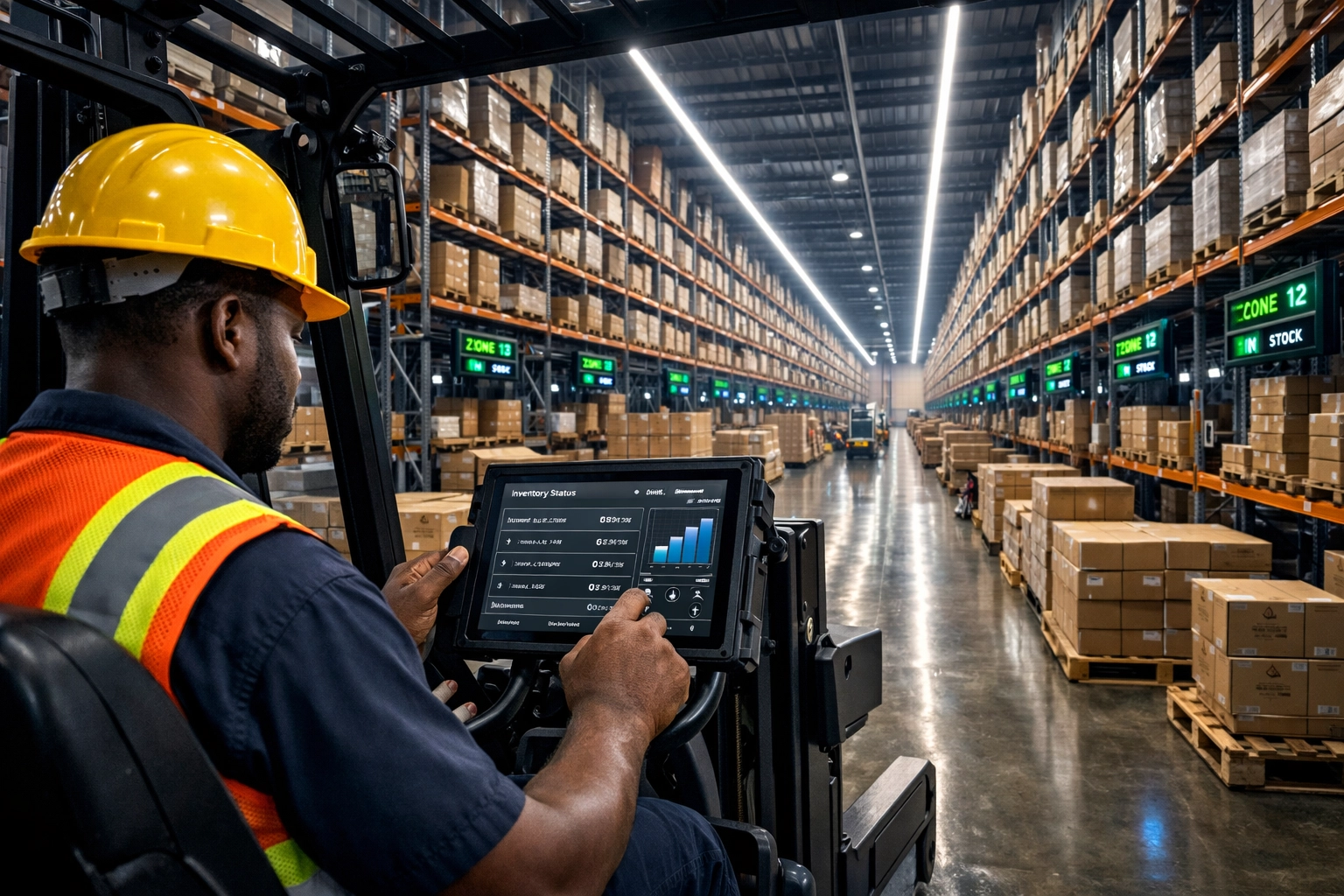
The same principle applies to warehouse operations. Our 3PL and warehousing services leverage real-time visibility to coordinate receiving schedules, optimize storage allocation, and streamline the handoff between ocean freight arrival and last-mile delivery. No more containers sitting in port for days waiting for warehouse space. No more surprise arrivals that overwhelm receiving docks.
Risk Mitigation and Compliance
Here's something that doesn't get talked about enough: real-time tracking creates an unbroken chain of custody documentation that's invaluable for regulatory compliance and risk management. Every movement, every stop, every condition change gets time-stamped and recorded.
For industries with strict compliance requirements: pharmaceuticals, hazardous materials, high-value equipment: this documentation trail isn't optional. It's mandatory. And trying to reconstruct that chain of custody after the fact, through paperwork and phone calls? That's a nightmare scenario that real-time systems eliminate entirely.
What's more, live tracking provides security benefits that go beyond mere loss prevention. Geofencing capabilities alert you immediately to unauthorized route deviations. Temperature sensors protect sensitive cargo. Impact detection identifies potential damage before containers reach their destination. These aren't theoretical features: they're protecting shipments right now, across our entire global network.
The PSI Advantage: Integration and Automation
So what makes PSI's approach different? Without further adieu, it comes down to integration and automation. We don't just bolt tracking systems onto legacy processes and call it innovation. Our entire freight forwarding infrastructure: from procurement logistics to final delivery: is built around automated, real-time visibility from the ground up.
When you work with PSI, you're not juggling multiple carrier portals, customs platforms, and warehouse systems. You're accessing a single, unified interface that shows you everything. Ocean freight moving through major ports. Air cargo clearing customs. Warehoused inventory ready for distribution. All synchronized, all real-time, all accessible from anywhere.
Additionally, our tracking systems integrate directly with your own supply chain management tools through APIs and data feeds. This means real-time visibility flows directly into your ERP systems, procurement dashboards, and inventory planning tools. No manual data entry. No reconciliation headaches. Just clean, accurate, actionable information exactly where you need it.
Looking Ahead: The Next Evolution
It goes without saying that real-time visibility will continue evolving. Artificial intelligence and machine learning are already beginning to transform tracking data from descriptive ("here's where your shipment is") to predictive ("here's when it will arrive, with 95% confidence").
We're seeing the emergence of blockchain-based tracking systems that create immutable shipment records. IoT sensors are becoming smaller, cheaper, and more capable. Port automation is accelerating clearance times and reducing manual touchpoints that create visibility gaps.
At PSI, we're investing in these technologies not because they're trendy, but because they solve real problems for our customers. It will certainly be an interesting development to watch as the industry standard shifts from basic location tracking to comprehensive supply chain intelligence platforms.
The Bottom Line
Real-time visibility has become the industry standard because it delivers outcomes that matter: fewer delays, lower costs, happier customers, and more efficient operations. For businesses moving everything from telecommunications equipment to heavy machinery across global supply chains, the peace of mind that comes with knowing exactly where your cargo is: and when it will arrive: is invaluable.
At PSI Global Logistics, our world-class live tracking system represents the gold standard for what modern freight forwarding should deliver. But we're also humble enough to recognize that this technology is just one piece of a larger commitment: to be the most transparent, reliable, and customer-focused logistics partner you'll ever work with.
To be sure, there's more innovation ahead, and we're ready for it. But for now, if you're still working with logistics providers who can't tell you exactly where your shipment is at any given moment, it might be time for an upgrade. Because in 2026, "somewhere in transit" just isn't good enough anymore.
Ready to experience true real-time visibility for your global shipments? Learn more about why shipping with PSI makes the difference, or reach out to our team today.









Leave A Comment