
It's been another challenging year for businesses dealing with Nigerian port congestion, and here we are approaching 2025 with demurrage fees still eating into profit margins. If you've found yourself stuck with containers sitting at Lagos Port Complex or Tin Can Island, watching those daily charges pile up, you're definitely not alone.
The numbers tell the story: demurrage costs in Nigeria now average between ₦120,000 to ₦140,000 daily per 40-foot container. That's serious money that could be going toward growing your business instead of covering port delays. But here's the thing: smart logistics operators are finding ways to sidestep these costly charges entirely.
So, without further ado, let's dive into five proven strategies that can help you avoid getting trapped by demurrage fees in the coming year.
1. Master the Art of Strategic Freight Planning
Think of this as your foundation strategy: everything else builds on getting your timing right. The key here is aligning your container movements with port free time allowances by planning shipments well in advance. It sounds basic, but you'd be surprised how many importers still operate on reactive scheduling.
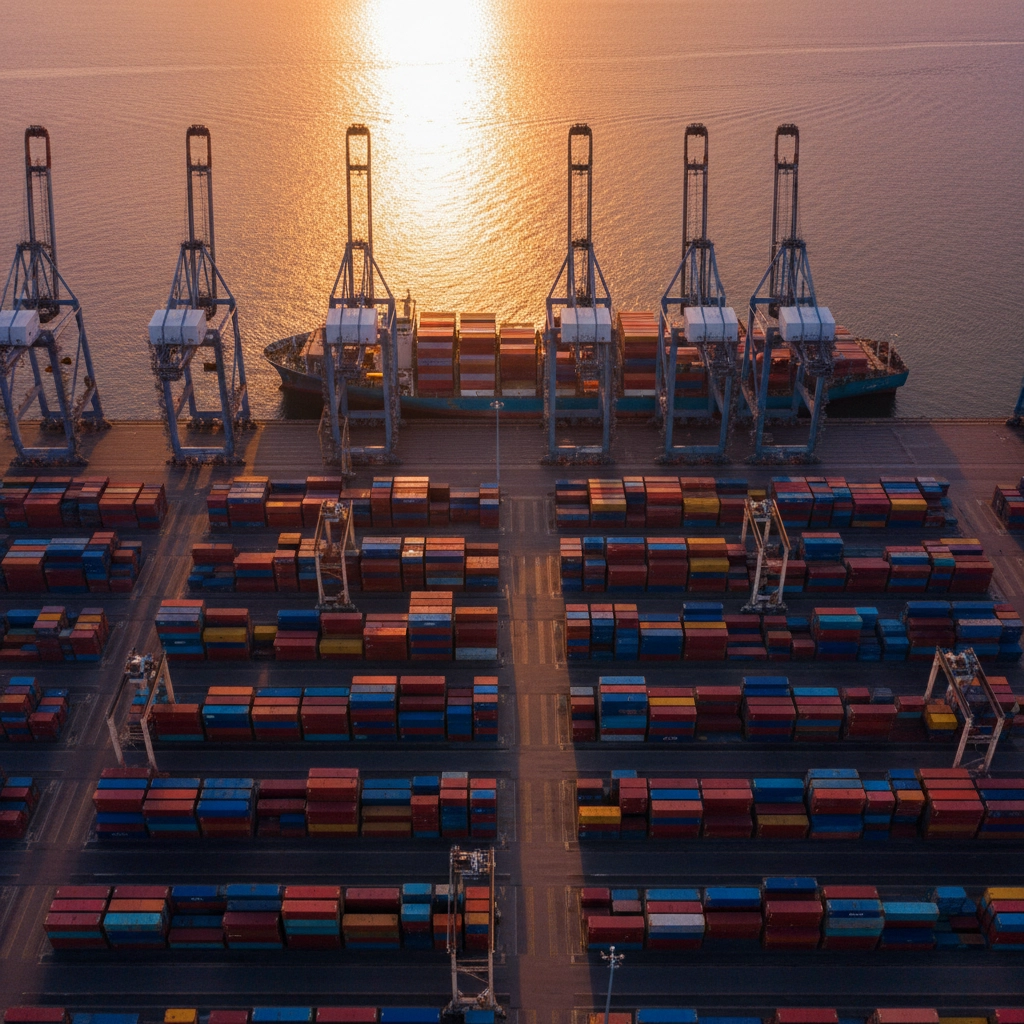
Start by mapping out your shipment schedule at least 30 days ahead. This gives you room to adjust for potential delays and ensures your containers clear the port before demurrage charges kick in. Track your shipments using real-time GPS monitoring: this isn't just about knowing where your cargo is, it's about anticipating potential bottlenecks and adjusting your timeline accordingly.
Here's where it gets interesting: truck appointment scheduling systems have shown they can save up to US$1,200 per truck that would otherwise be stuck in port queues. That's tangible value that goes straight to your bottom line. The math is simple: better planning equals fewer surprises, and fewer surprises mean lower costs.
What's more, coordinate closely with your freight forwarder to understand peak congestion periods at your target ports. Nigerian ports tend to see increased congestion during certain times of the year, particularly around holiday seasons and during the harmattan period when visibility issues can slow operations.
2. Leverage Real-Time Tracking and Visibility Systems
This is where technology becomes your best friend in the fight against demurrage. Deploy GPS and IoT-enabled tracking systems to monitor your container status at every stage of the journey: from the moment it enters the port to final delivery at your warehouse.
End-to-end visibility isn't just about satisfying your curiosity about where your cargo is. It's about improving coordination between all the moving parts of your supply chain: shipping companies, customs officials, freight forwarders, and truckers. When everyone has access to real-time data, container dwell time at ports drops significantly.

The beauty of modern tracking systems is their ability to send automated alerts when your containers hit specific milestones. Set up notifications for when your cargo clears customs, when it's available for pickup, and: most importantly: when your free time is about to expire. This gives you the heads-up you need to mobilize your trucking resources before charges start accumulating.
Consider this: ports like Hamburg and Los Angeles have reduced container clearance times from days to mere hours using integrated tracking and automation systems. While Nigerian ports are still catching up to this level of efficiency, the principles remain the same: visibility leads to better decision-making, which leads to cost savings.
3. Optimize Turnaround Time with Smart Dock Scheduling
Here's where many businesses miss a huge opportunity. Investing in automated dock scheduling software might seem like overkill, but it's actually one of the most effective ways to reduce delays that trigger demurrage charges.
These systems work by coordinating vessel arrivals with available dock resources, ensuring efficient loading and unloading operations. But the real magic happens in the details: smart scheduling reduces the domino effect of delays that can ripple through the entire port system.
Set up automated notifications that alert you when your free time is about to expire. This gives you the opportunity to take immediate action to clear containers before charges commence. It's a simple concept, but the execution can save thousands of naira per shipment.
Additionally, work with your logistics provider to establish standing appointment management protocols. This means having pre-arranged time slots for regular shipments, which reduces the uncertainty that often leads to delays. The more predictable your operations become, the less likely you are to get caught off guard by unexpected charges.
4. Master the Fine Print: Negotiate Better Terms
This strategy requires a bit of relationship building, but the payoff can be substantial. Build strong relationships with your carriers and negotiate extended free time periods or more favorable demurrage rates based on your shipping patterns and volume.
Every carrier has different policies, and understanding these differences can save you significant money. Some offer more flexibility for regular customers, while others might provide extended free time for specific trade routes or seasonal shipments. The key is to review the fine print in your shipping contracts and understand exactly what triggers demurrage and detention charges.

Knowledge truly is power here. When you understand your carrier's specific policies, you can take proactive steps to avoid triggering charges. This might mean adjusting your pickup schedules, consolidating shipments, or even switching carriers for certain routes where you consistently face delays.
Don't be afraid to negotiate. If you're shipping regularly with a carrier, you have leverage. Use your shipping volume to secure better terms, whether that's extended free time, reduced demurrage rates, or more flexible pickup schedules.
5. Embrace Nigeria's Port Technology Revolution
Here's where things get exciting for 2025: Nigeria's port infrastructure is undergoing significant technological improvements that smart shippers can leverage to avoid demurrage charges.
The Eto Electronic Call-Up System, integrated with electronic barrier systems at Lagos Port Complex, represents a game-changer for reducing port congestion. Since its full implementation, only trucks with valid Eto-issued call-up tickets receive access to port terminals. This system eliminates unauthorized entries, reduces gridlock, and streamlines traffic flow.

The benefits are immediate and measurable. By ensuring trucks only arrive during designated time slots, the system eliminates unnecessary queuing and congestion that often leads to delays triggering demurrage charges. It's a perfect example of how technology can solve traditional logistics challenges.
But here's the key: you need to integrate your operations with these new systems. Make sure your logistics team is trained on the Eto system requirements and that you're scheduling your truck movements in alignment with the call-up process. Fighting against the system will only create more delays and higher costs.
What's more, the electronic barrier integration means faster processing times for compliant shipments. Trucks that follow the proper procedures move through the system more efficiently, reducing the risk of your containers sitting in port longer than necessary.
Putting It All Together
These five strategies work best when used together as part of a comprehensive approach to demurrage management. It goes without saying that no single strategy will solve all your port congestion challenges, but combining strategic planning with modern technology and strong relationships creates a robust defense against unexpected charges.
The logistics landscape in Nigeria is evolving rapidly, and 2025 promises to bring even more technological solutions to traditional port challenges. Smart operators are already positioning themselves to take advantage of these improvements while building resilient operations that can weather the inevitable delays and disruptions.
Remember, avoiding demurrage isn't just about saving money: it's about creating predictable, reliable supply chain operations that support your business growth. When your logistics run smoothly, you can focus on what matters most: serving your customers and growing your business.
At PSI Global Logistics, we've helped countless businesses navigate these challenges and implement strategies that protect their bottom line. The key is staying proactive rather than reactive, and 2025 offers more tools than ever to do exactly that.











Leave A Comment