
ADDRESS: 8718 WESTPARK DR, HOUSTON, TX 77063, USA
PHONE: +1 713-589-2925
EMAIL: INFO@PSISHIPPING.COM
WEBSITE: PSISHIPPING.COM
In the blink of an eye, here we are in the first quarter of 2026, and the pace of the telecommunications industry hasn't slowed down for a single second. If anything, it’s accelerating. Whether you’re rolling out the latest satellite arrays, expanding 5G (or even 6G) infrastructure, or managing a massive inventory of sensitive hardware, your logistics chain is the silent engine driving your success.
But let’s be real for a moment, please accept apologies in advance if this hits a little close to home, managing telecom freight is notoriously difficult. It’s not like shipping a pallet of bricks. You’re dealing with high-value, fragile, and often incredibly time-sensitive equipment. It’s been another fast and busy year, and in the rush to meet deadlines, mistakes happen. At least in my opinion, these "small" logistical oversights are often what stand between a successful rollout and a budget-busting disaster.
So, without further adieu, let’s dive into the seven most common mistakes companies are making with their telecommunications logistics and, more importantly, how you can fix them today.
1. Treating High-Tech Hardware Like General Cargo
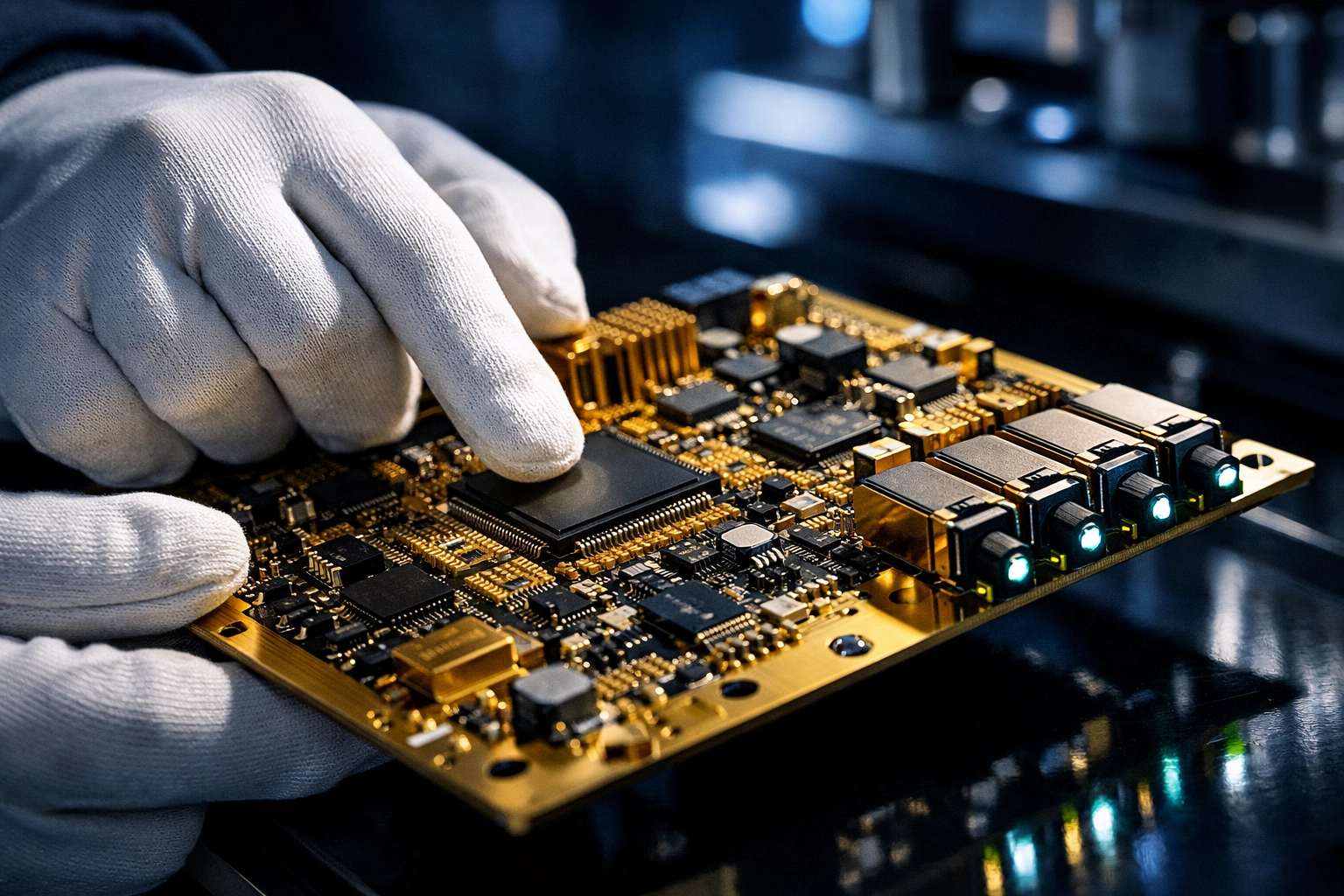
The biggest mistake? Assuming that a standard carrier can handle specialized telecom equipment. We’re talking about delicate circuit boards, fiber optic cables, and sensitive transmission gear. These aren't just boxes; they are the lifelines of global connectivity.
What's more, treating these items like general cargo often leads to vibration damage or environmental exposure that isn't visible until you try to power the unit up at the site. To be sure, there’s nothing more frustrating than getting a crew out to a remote tower only to find the equipment dead on arrival.
The Fix: You need customized solutions that prioritize white-glove handling and specialized packaging. At PSI Global Logistics, we treat every piece of hardware as if it’s the only one in the world.
2. Flying Blind (The Lack of Real-Time Visibility)
In 2026, "I'll call the driver and check" is no longer an acceptable tracking strategy. Why? Because in telecom, timing is everything. If your equipment is delayed by even four hours, you might lose your window for crane rentals or specialized technician teams.
It will certainly be an interesting development to watch how companies that refuse to adapt to modern tracking eventually get phased out. If you don't know exactly where your shipment is, you can't manage the "ripple effect" of delays.
The Fix: Implement instant live tracking. Having a dashboard that gives you real-time data allows you to pivot your ground teams and adjust schedules before a delay becomes a catastrophe.
3. Falling into the "Hidden Fee" Trap
We see this all the time: a quote looks great on paper, but by the time the shipment arrives, there are surcharges for "oversized handling," "remote delivery," and "expedited processing." It’s a classic bait-and-switch that can destroy your quarterly budget.
How will it be funded? Stay tuned, because if you don't account for these, your project margins will vanish. We believe in total transparency, which is why we’ve championed a "No Hidden Fees" policy.
The Fix: Partner with a logistics provider that values transparency in a volatile market. You deserve to know exactly what you’re paying for upfront, no law degree required to decipher the invoice.

4. Neglecting the "Reverse Logistics" Cycle
In the world of telecommunications, the job isn't done when the new gear is installed. What happens to the old hardware? Many companies treat reverse logistics (returns, repairs, and recycling) as an afterthought. This leads to warehouses full of "dead" stock and missed opportunities for asset recovery.
Additionally, with environmental regulations becoming stricter, simply tossing old components isn't an option. It goes without saying that a messy reverse logistics process is a massive drain on resources.
The Fix: Build a circular supply chain. Ensure your logistics partner has a dedicated plan for bringing equipment back from the field, whether it’s heading for repair or certified e-waste recycling.
5. Ignoring the Complexity of Remote Site Access
Telecom infrastructure doesn't always live in convenient places. Whether it’s a rural hilltop or a congested skyscraper in the middle of Houston, the "last mile" is often the hardest.
A common mistake is failing to scout the delivery location. Can a 53-foot trailer make that turn? Is there a loading dock? Does the site require a 4×4 vehicle for the final stretch? But either way, assuming the "standard" delivery method will work is a recipe for a "returned to sender" notification.
The Fix: Work with a team that specializes in construction and infrastructure logistics. This often requires pre-delivery site surveys and smaller, more agile delivery vehicles to ensure the gear actually reaches its final destination.

6. Underestimating Regulatory and Compliance Hurdles
If you are moving telecom equipment across borders, you’re dealing with a minefield of regulations. From dual-use technology restrictions to complex tariff codes, one wrong checkbox can lead to your shipment being impounded for weeks.
It’s been a fast and busy year for trade policy changes, and keeping up is a full-time job. Many businesses try to handle this in-house and quickly realize they are in over their heads.
The Fix: Lean on the experts. Specialized freight forwarders understand the specific Harmonized System (HS) codes for telecom and can navigate the customs maze on your behalf. If you’re unsure, it’s always better to contact us before you ship rather than after the cargo is stuck in customs.
7. Choosing a Generalist Carrier Over a Telecom Specialist
This is perhaps the most frequent error. Many companies choose their logistics provider based solely on the lowest price per pound. While that might work for shipping office supplies, it’s a dangerous game with telecommunications.
A generalist carrier doesn't understand the urgency of a "Network Down" situation or the specific requirements of hauling a delicate satellite dish. To be sure, the cheapest option often becomes the most expensive when you factor in damages, delays, and lost revenue.
The Fix: Choose a partner with a proven track record in the telecommunications sector. You need a team that speaks your language and understands that in this industry, a delay isn't just an inconvenience, it’s a loss of connectivity for thousands of people.

Looking Forward to the Rest of 2026
As we move further into the year, the pressure to stay connected will only grow. It’s an exciting time to be in this industry, but it’s also a time that demands precision. By avoiding these seven common pitfalls, you can ensure your logistics operation is a competitive advantage rather than a constant headache.
At PSI Global Logistics, we pride ourselves on being more than just a moving company. We are a strategic partner in your growth. Whether you need air charter for an emergency replacement part or long-term warehousing for a nationwide rollout, we have the expertise to get it done right the first time.
Please accept apologies if we missed your specific niche: telecom is a broad world! But whether you're in satellite, mobile, or fiber, these principles remain the same. It will certainly be an interesting development to watch how the industry evolves, and we are thrilled to be right there in the trenches with you.
Ready to streamline your shipping and stop making these costly mistakes? Reach out to us today and let's get your logistics on the right track.
ADDRESS: 8718 WESTPARK DR, HOUSTON, TX 77063, USA
PHONE: +1 713-589-2925 | TOLL-FREE: 1-855-663-7447
EMAIL: INFO@PSISHIPPING.COM
WEBSITE: PSISHIPPING.COM

Leave A Comment